


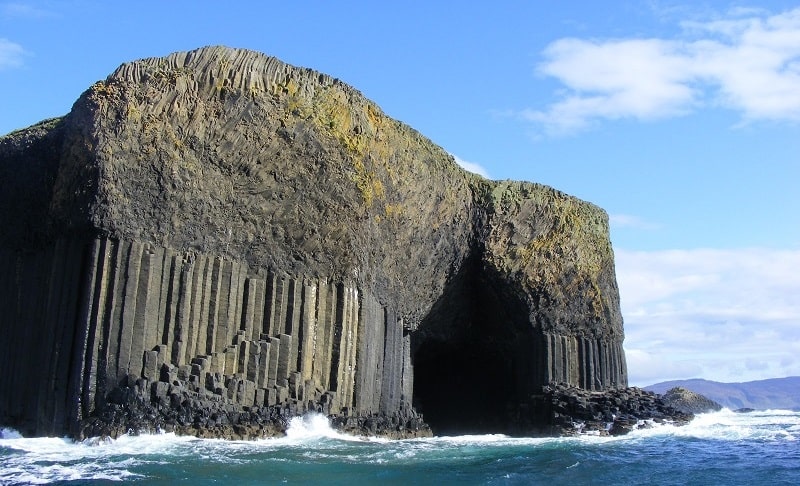
The enigmatic allure of Fingal's Cave on the uninhabited island of Staffa, off the west coast of Scotland, has captured the imaginations of visitors for centuries. This natural wonder, famed for its unique geological structure, is a harmonious symphony of nature's artistry and history. At first glance, Fingal's Cave appears almost otherworldly, with its towering basalt columns forming an imposing entrance that beckons explorers into its depths.
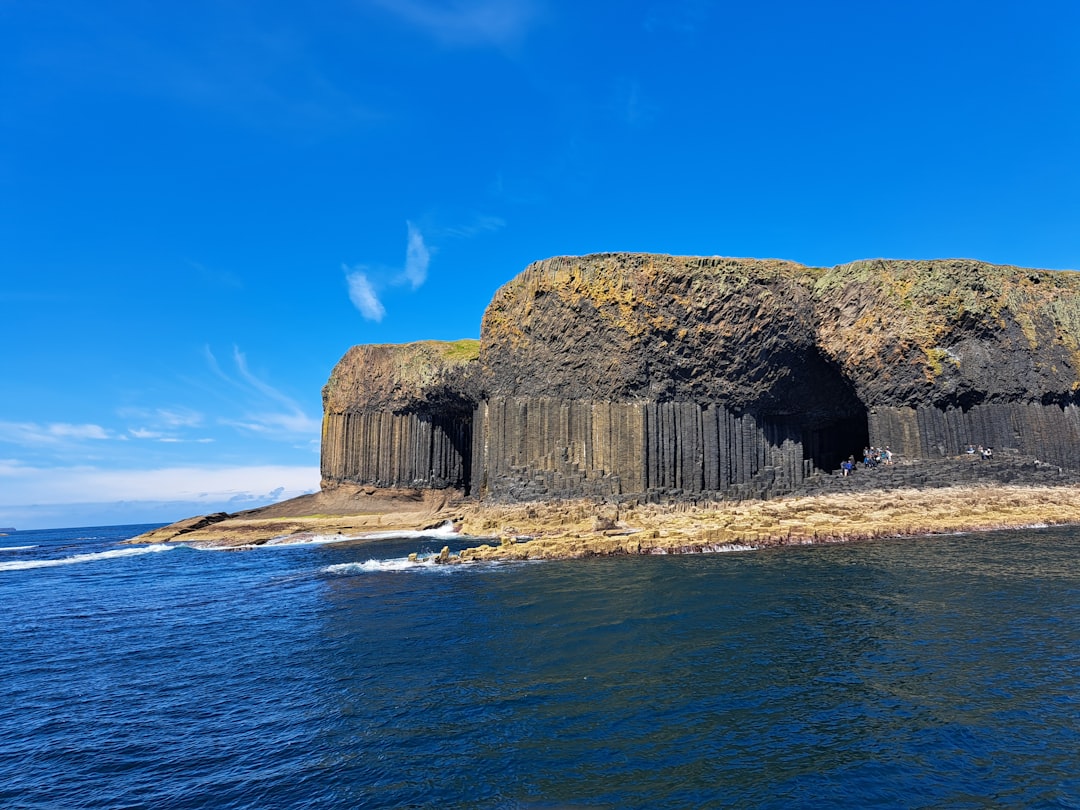
The origins of Fingal's Cave date back to the Paleocene Epoch, around 60 million years ago, when volcanic activity in the region caused molten lava to cool and slowly crystallize into hexagonal basalt columns. This geological marvel shares its origins with the Giant's Causeway in Northern Ireland, both part of the same ancient volcanic system. The cave's name derives from an 18th-century romantic epic by James Macpherson, who claimed to have translated the work of the legendary Gaelic hero Fingal, though its authenticity was later disputed.
Stepping into the cave, visitors are enveloped in a natural cathedral, where the ocean's rhythmic echoes create an ethereal soundscape. The interior's architectural grandeur, with its perfect hexagonal columns, has inspired numerous artists and musicians. Notably, Felix Mendelssohn composed his "Hebrides Overture" after a visit in 1829, capturing the cave's haunting beauty in music. The cave's natural acoustics and unique form have made it a source of artistic inspiration, symbolizing the sublime power of nature.
Culturally, Fingal's Cave holds a special place in Scottish folklore and tradition. It is often linked to the legend of the giant Fionn mac Cumhaill (Finn MacCool), who, in Irish mythology, built the Giant's Causeway as a bridge to Scotland. While the cave itself is uninhabited, the nearby island of Mull is rich in Gaelic culture, with traditional music and storytelling still thriving. Visitors can immerse themselves in the local customs, especially during festivals like the Mull Highland Games, where traditional sports and music celebrate the area's rich heritage.
Though the island of Staffa does not offer culinary experiences, a visit to nearby Mull provides a taste of the region's gastronomy. Local delicacies include fresh seafood such as mussels, scallops, and crab, often paired with the distinctive smoky flavor of Ardbeg whisky from the nearby Isle of Islay. These flavors reflect the rugged maritime environment and the traditional methods of preparation that have been passed down through generations.
One of the lesser-known curiosities about Fingal's Cave is its influence on popular literature and culture. Beyond Mendelssohn, the cave inspired writers like Jules Verne, who mentioned it in his novel "The Green Ray." Queen Victoria herself was captivated by its beauty during a visit in 1847, an endorsement that further cemented the cave's reputation as a must-see natural wonder. Another fascinating detail is the presence of rare plant species clinging to the island's basalt cliffs, offering a glimpse of the resilient nature that thrives in this harsh environment.
For those planning a visit, the best time to explore Fingal's Cave is during the late spring and summer months, when the weather is more favorable, and the seas are calmer. Boat tours from Mull or the mainland offer the most practical access, with many operators providing guided trips that include historical insights and wildlife spotting opportunities. Visitors should come prepared with sturdy footwear and waterproof clothing, as the cave's rocky path can be slippery, and the weather unpredictable.
In conclusion, Fingal's Cave is not just a geological marvel but a cultural and historical tapestry woven through centuries of natural and human history. Its awe-inspiring beauty, coupled with its rich tapestry of legend and lore, make it a destination that transcends mere sightseeing, offering an experience that resonates with the soul. Whether you're a history enthusiast, an art lover, or a nature aficionado, Fingal's Cave promises an unforgettable journey into the heart of Scotland's natural and cultural heritage.
