
← Back

Fish River Canyon - The second largest canyon in the world

Fish River Canyon, Namibia ★★★★☆ 1,387 views
Sophia Williams
Fish River Canyon
🏆 AI Trip Planner 2026

Get the free app

Discover the best of Fish River Canyon with Secret World — the AI trip planner with 1M+ destinations. Get personalized itineraries, hidden gems and local tips. Free on iOS & Android.

🧠 AI Itineraries 🎒 Trip Toolkit 🎮 KnowWhere Game 🎧 Audio Guides 📹 Videos
Scan to download iOS / Android
Scan for AppGallery Huawei users

About Fish River Canyon - The second largest canyon in the world

Fish River Canyon - The second largest canyon in the world - Fish River Canyon | Secret World Trip Planner

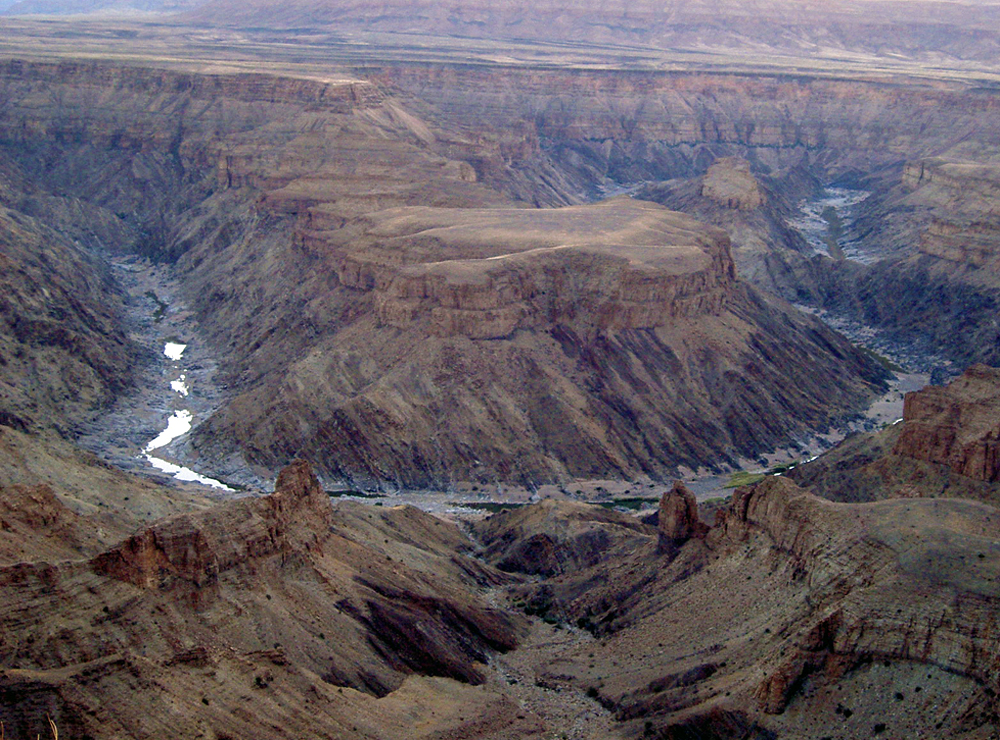
At a glance, Fish River Canyon in Namibia captivates with its breathtaking scale and raw beauty. Stretching 160 kilometers, this monumental gorge is the second largest canyon in the world, surpassed only by the iconic Grand Canyon in the United States. Carved into the landscape over millions of years, its depth reaches up to 550 meters, while its width varies dramatically, peaking at 27 kilometers. The Fish River, the longest interior river in Namibia, meanders through this arid expanse, flowing intermittently and creating a dramatic interplay between water and rock. This remarkable geological feature offers not just stunning views but also a rich tapestry of history, culture, and gastronomy waiting to be explored.

Fish River Canyon - The second largest canyon in the world - Fish River Canyon | Secret World Trip Planner

### History and Origins The Fish River Canyon dates back approximately 500 million years, resulting from tectonic activity and erosion. Geologists believe that the canyon was formed during a period of volcanic activity accompanied by the gradual wearing down of rock layers. Ancient traditions speak of the San people, who inhabited this region long before recorded history. Today, their rock engravings can still be seen in various locations, providing a glimpse into the life and beliefs of these early inhabitants. Notably, the canyon was first documented by European explorers in the 19th century, including James Edward Alexander in 1836, and later by Thomas Baines, who sketched its dramatic landscapes.

### Art and Architecture While Fish River Canyon itself is a natural masterpiece, it also holds artistic significance. The surrounding area is dotted with rock paintings and engravings created by the San people, often depicting animals and scenes from their daily lives. These art forms are not just expressions of creativity; they also hold spiritual significance, reflecting the deep connection between the San and their environment. The absence of modern architecture around the canyon preserves its natural splendor, allowing visitors to fully appreciate the raw beauty of the landscape without man-made distractions.

Fish River Canyon - The second largest canyon in the world - Fish River Canyon | Secret World Trip Planner

### Local Culture and Traditions Visiting the Fish River Canyon provides a unique opportunity to engage with local Namibian culture. The nearby communities, including the ǁKhomani and Nama peoples, maintain rich traditions and customs that celebrate their heritage. Festivals such as the Owambo Cultural Festival showcase traditional music, dance, and storytelling, drawing visitors into the vibrant tapestry of local life. Visitors can also experience local crafts and textiles, which often reflect the intricate designs and patterns of Namibia’s diverse cultures.

### Gastronomy The culinary scene in this region is as fascinating as its history. Traditional Namibian cuisine often includes dishes such as biltong (dried, cured meat), kapana (street food grilled meat), and hearty stews infused with local spices. The Oshifima, a porridge made from maize or millet, is a staple food among the local communities. Visitors can also enjoy a variety of local beers, such as Windhoek Lager, which offer a refreshing taste of Namibia after a day of exploration.

### Lesser-known Curiosities Despite its grandeur, many visitors overlook the hidden gems within Fish River Canyon. For instance, the Ai-Ais Hot Springs, located at the canyon's lower end, is a lesser-known oasis. The hot springs are rich in minerals and offer a relaxing retreat after a day of hiking. Additionally, the canyon's geology has revealed fascinating fossils, hinting at the ancient life that once thrived here. The sunsets over the canyon are nothing short of magical; the changing light creates a kaleidoscope of colors that transform the rock formations into a mesmerizing display.

### Practical Visitor Information The best time to visit Fish River Canyon is during the cooler months from May to September, when temperatures are more comfortable for hiking and exploring. The Hobas viewpoint is a popular starting point, providing breathtaking panoramic views. Visitors should also consider hiking the Fish River Hiking Trail, which spans the canyon and offers a chance to experience its beauty up close. For those interested in wildlife, keep an eye out for the various species inhabiting the area, including springbok, ostrich, and various birds of prey.

In conclusion, the Fish River Canyon is not just a geological wonder; it's a gateway to understanding the rich tapestry of Namibia's history, culture, and natural beauty. As you plan your visit, consider using the Secret World app to create a personalized itinerary tailored to your interests, ensuring an unforgettable experience in this breathtaking landscape.

Buy Unique Travel Experiences

Powered by Viator

See more on Viator.com
