
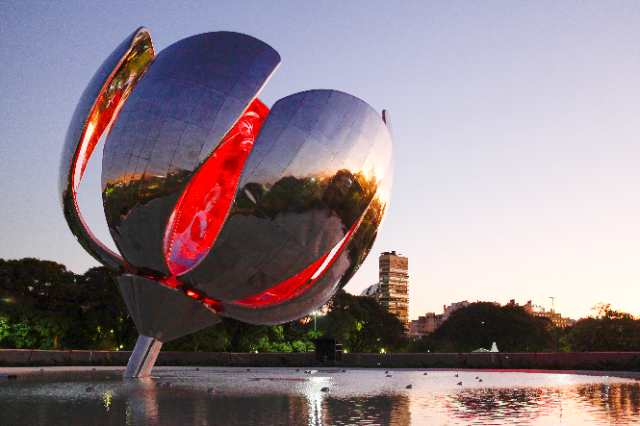

In the heart of Buenos Aires, a magnificent sculpture stands as a symbol of hope and renewal: the Floralis Genérica. Erected in Plaza de las Naciones Unidas, this stunning creation of steel and aluminum was a gift from the Argentine architect Eduardo Catalano to the city. Catalano, a visionary whose work often reflected the interplay of nature and architecture, once expressed that this flower embodies a synthesis of all flowers, representing the hope that is reborn every day. Completed in 2002, the Floralis Genérica has become a beloved icon of Buenos Aires, captivating both locals and visitors alike with its graceful form and dynamic presence.
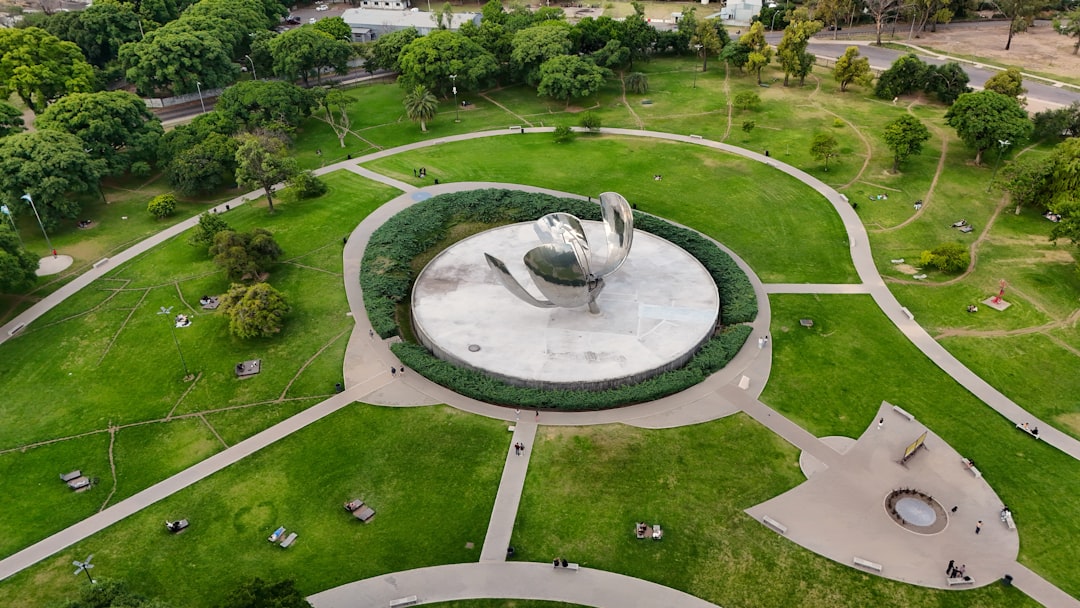
The origins of this sculpture can be traced back to Catalano’s desire to create a landmark that would resonate with the people of Buenos Aires. He envisioned a flower that would open and close with the sun, mirroring the natural rhythms of life. Standing at an imposing height of 23 meters (75 feet) with a diameter of 32 meters (105 feet), the structure is not only a technical marvel but also an artistic statement that harmonizes with its surrounding urban landscape. The flower's petals, made of aluminum, gleam under the Argentinian sun, while its steel stem is anchored firmly into the ground, symbolizing strength and resilience.
In addition to its architectural significance, the Floralis Genérica plays an important role in the local culture. It is a popular meeting point and a backdrop for celebrations, gatherings, and daily strolls in the park. The Plaza de las Naciones Unidas, where the sculpture resides, hosts various events throughout the year, including cultural festivals and outdoor exhibitions. Locals often visit the park to enjoy picnics, exercise, or simply bask in the beauty of their surroundings, with the majestic flower towering over them.
As you explore this vibrant area of Buenos Aires, it's impossible to ignore the delicious culinary offerings that accompany the cultural landscape. The city is famous for its asado, a traditional barbecue that showcases an array of meats grilled to perfection. Nearby, you might also find empanadas, savory pastries filled with meats or vegetables, and mate, the national drink made from the leaves of the yerba mate plant. These local delights are often enjoyed in the company of friends and family, reflecting the warmth and hospitality of the Argentinian people.
For those interested in lesser-known curiosities, the Floralis Genérica has some intriguing details that many visitors overlook. For instance, the sculpture is designed to open its petals at 8 AM and close them at 8 PM, mimicking the natural behavior of a flower. Additionally, the petals are crafted to withstand the elements, making them resistant to corrosion and wear. The sculpture's engineering and design embody a blend of artistic flair and thoughtful functionality, which is a hallmark of Catalano's work.
Visiting the Floralis Genérica is best done during the spring and summer months, from September to March, when the weather is warm and the park is in full bloom. Early mornings and late afternoons are particularly enchanting times to witness the sculpture, as the sunlight dances across its metallic surface, creating a magical atmosphere.
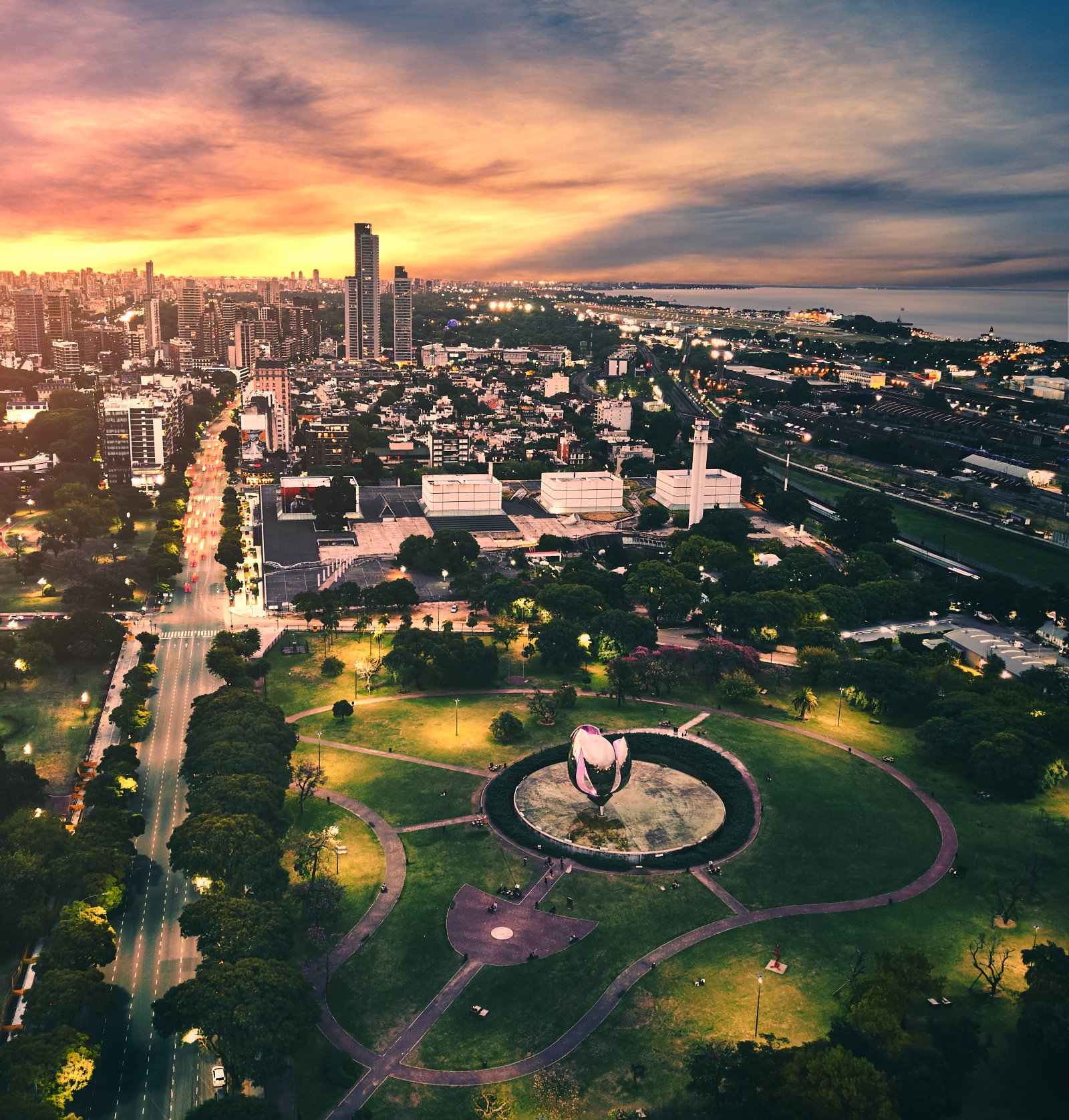
When visiting, take a moment to stroll around the flower, observing its intricate details and the way it interacts with the surrounding landscape. Nearby, you’ll find a small pond and lush greenery that offer a serene respite from the bustling city. Don’t forget your camera — the Floralis Genérica makes for a stunning backdrop in photographs, especially during sunset when the sky is painted in hues of orange and pink.
In summary, the Floralis Genérica is more than just a sculpture; it is a testament to the artistic spirit of Buenos Aires and a symbol of hope that continues to inspire and unite people from all walks of life. To experience this vibrant city fully, consider using the Secret World app to plan a personalized AI itinerary tailored to your interests.


