
← Back

Florence and Octagonal Dome

Piazza del Duomo, 50122 Firenze FI, Italia ★★★★☆ 419 views
Teresa Lotti
Firenze
🏆 AI Trip Planner 2026

Get the free app

Discover the best of Firenze with Secret World — the AI trip planner with 1M+ destinations. Get personalized itineraries, hidden gems and local tips. Free on iOS & Android.

🧠 AI Itineraries 🎒 Trip Toolkit 🎮 KnowWhere Game 🎧 Audio Guides 📹 Videos
Scan to download iOS / Android
Scan for AppGallery Huawei users

About Florence and Octagonal Dome

Florence and Octagonal Dome - Firenze | Secret World Trip Planner

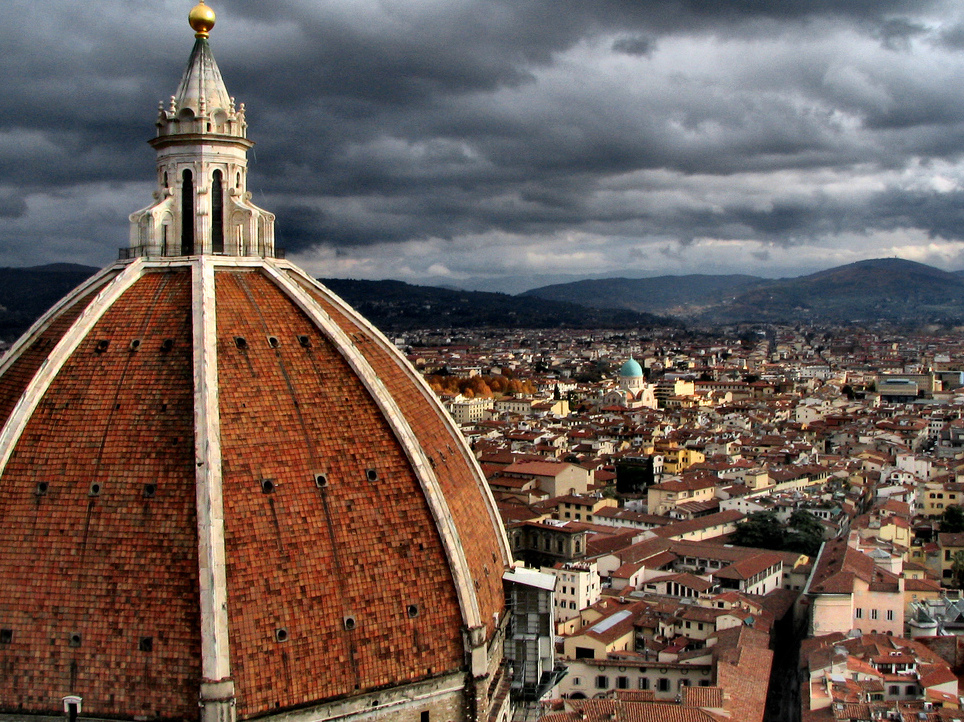
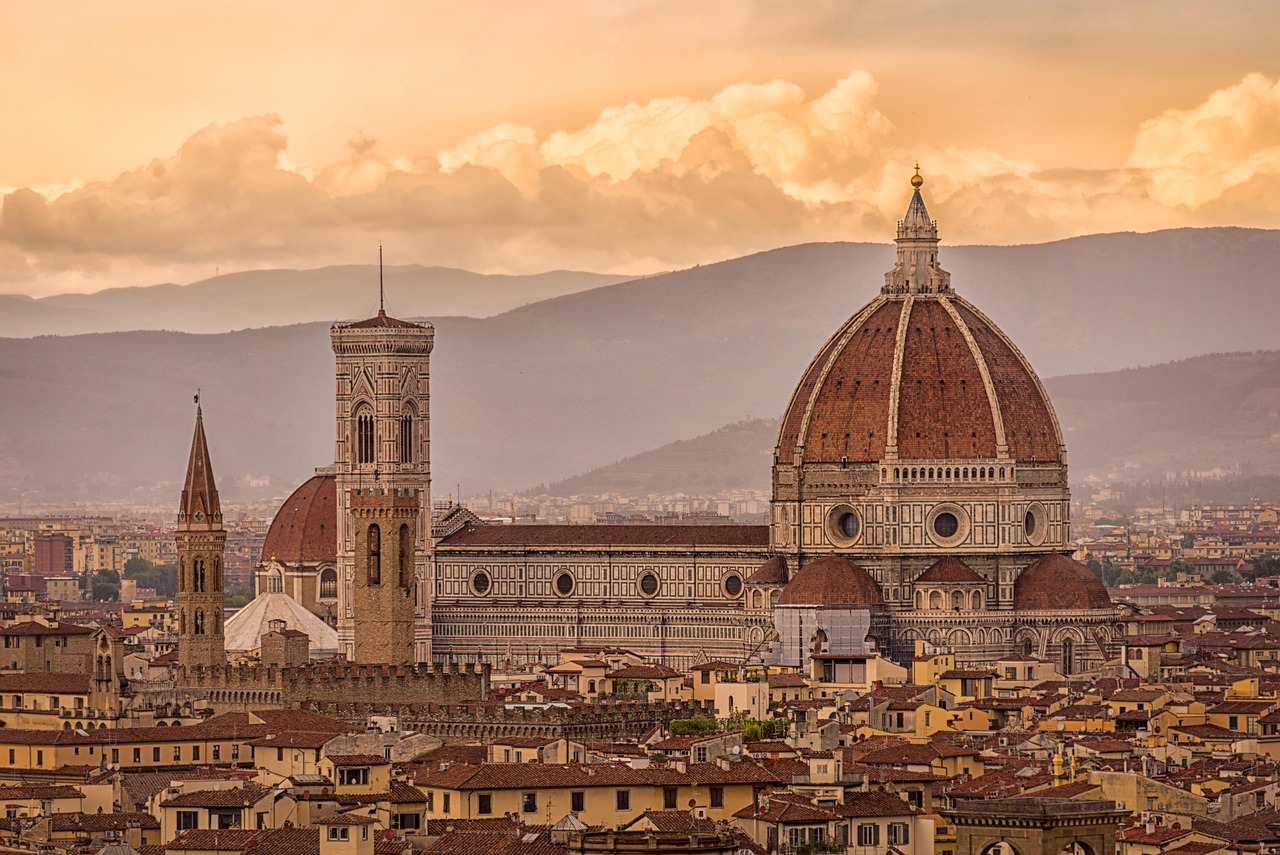
Consisting of two ogival-shaped caps connected to each other, the octagonal dome was turned from 1418 to 1434 according to the design by Filippo Brunelleschi, presented at a competition in 1418 and accepted after many contrasts in 1420.
Florence and Octagonal Dome - Firenze | Secret World Trip Planner

A masterpiece capable of resisting lightning, earthquakes, the passage of centuries, which today enchants anyone who looks at it from a distance, the Dome has a diameter of 45.5 meters.

In 1418 the Opera di Santa Maria del Fiore announced the competition that Brunelleschi won, but only two years later the work began and lasted until 1434.
Florence and Octagonal Dome - Firenze | Secret World Trip Planner

On March 25, 1436 the Florentine Cathedral was consecrated by Pope Eugene IV.

Brunelleschi's admirable innovation was to turn the dome without armour, thanks to the use of a double vault with a cavity, of which the interior (over two metres thick) made with herringbone ashlars, had a structural function as it was self-supporting and the exterior only as a roof. Above the dome stands the lantern with a cone shaped roof, designed by Brunelleschi, which was made after the artist's death (1446) and the gilded copper ball with the cross, containing sacred relics, a work by Andrea del Verrocchio, which was placed there in 1466.

The fresco decoration of Brunelleschi's Dome was created between 1572 and 1579 by Giorgio Vasari and Federico Zuccari, and presents the same iconographic theme as the Baptistery: the Last Judgement. The frescoes in the dome were the subject of a global restoration between 1978 and 1994.

🗺 AI Trip Planner 2026

Plan your visit to Firenze

Suggested itinerary near Florence and Octagonal Dome

MAJ+
500.000+ travelers worldwide
  1. 🌅
    Morning
    Florence and Octagonal Dome
    📍 Firenze
  2. ☀️
    Afternoon
    Florence and the highest sundial in the world
    📍 0 km · Firenze
  3. 🌆
    Evening
    WinEx Wine Museum
    📍 0.1 km · Firenze

Buy Unique Travel Experiences

Powered by Viator

See more on Viator.com

Explore nearby · Firenze

Frequently Asked Questions

The octagonal dome took 16 years to complete, from 1418 when the competition was announced to 1434 when construction finished. Although Filippo Brunelleschi's innovative design was accepted in 1420, the actual building work didn't begin until two years later.
Brunelleschi's masterpiece was built without traditional wooden scaffolding (armour) by using a double vault design with a hollow cavity between two shells. The interior vault, made with herringbone-pattern bricks and over two metres thick, was self-supporting and structurally sound, while the exterior served only as a protective roof.
The octagonal dome has a diameter of 45.5 meters, making it an impressive feat of engineering and architecture. This massive span, combined with its distinctive two-shell construction, contributes to the dome's remarkable durability against lightning and earthquakes over centuries.
The dome construction was finished in 1434, and the Florentine Cathedral was officially consecrated by Pope Eugene IV on March 25, 1436. The lantern with its cone-shaped roof and the gilded copper ball with the cross were added later, with Verrocchio's famous gilded ball being placed at the top in 1466.
The interior of the dome is decorated with frescoes depicting the Last Judgement, painted between 1572 and 1579 by Giorgio Vasari and Federico Zuccari. These remarkable frescoes underwent a comprehensive global restoration from 1978 to 1994 to preserve this artistic masterpiece for future generations.
