
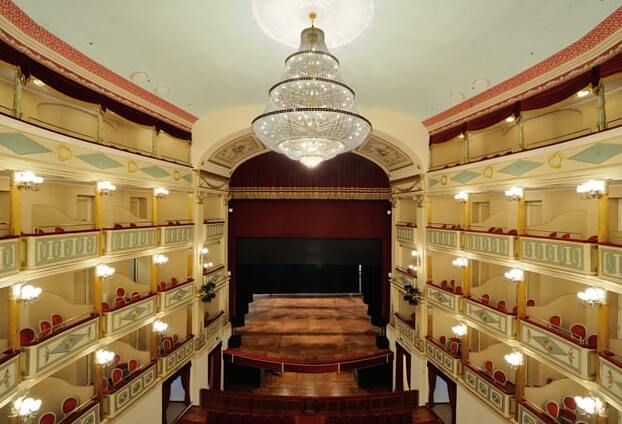

Nestled in the historic heart of Foggia, the Umberto Giordano Theatre stands as a testament to the city's rich cultural heritage and artistic fervor. Known originally as the Real Teatro Ferdinando, this exquisite venue was inaugurated in 1828, making it the second oldest theatre in southern Italy after Naples' famed Teatro San Carlo. Designed by the engineer Luigi Oberty, the theatre has witnessed the ebb and flow of history, becoming an integral part of Foggia's identity.
The theatre's origins trace back to the early 19th century when the city, emerging from the shadows of seismic devastation, sought to rebuild itself as a beacon of culture and refinement. Named after the renowned composer Umberto Giordano, a native of Foggia, the theatre has played host to a myriad of performances, from classic operas to contemporary plays, each echoing through its hallowed halls. Over the decades, the theatre has weathered numerous transformations, including significant renovations in the late 20th century to restore its original grandeur while modernizing its facilities.
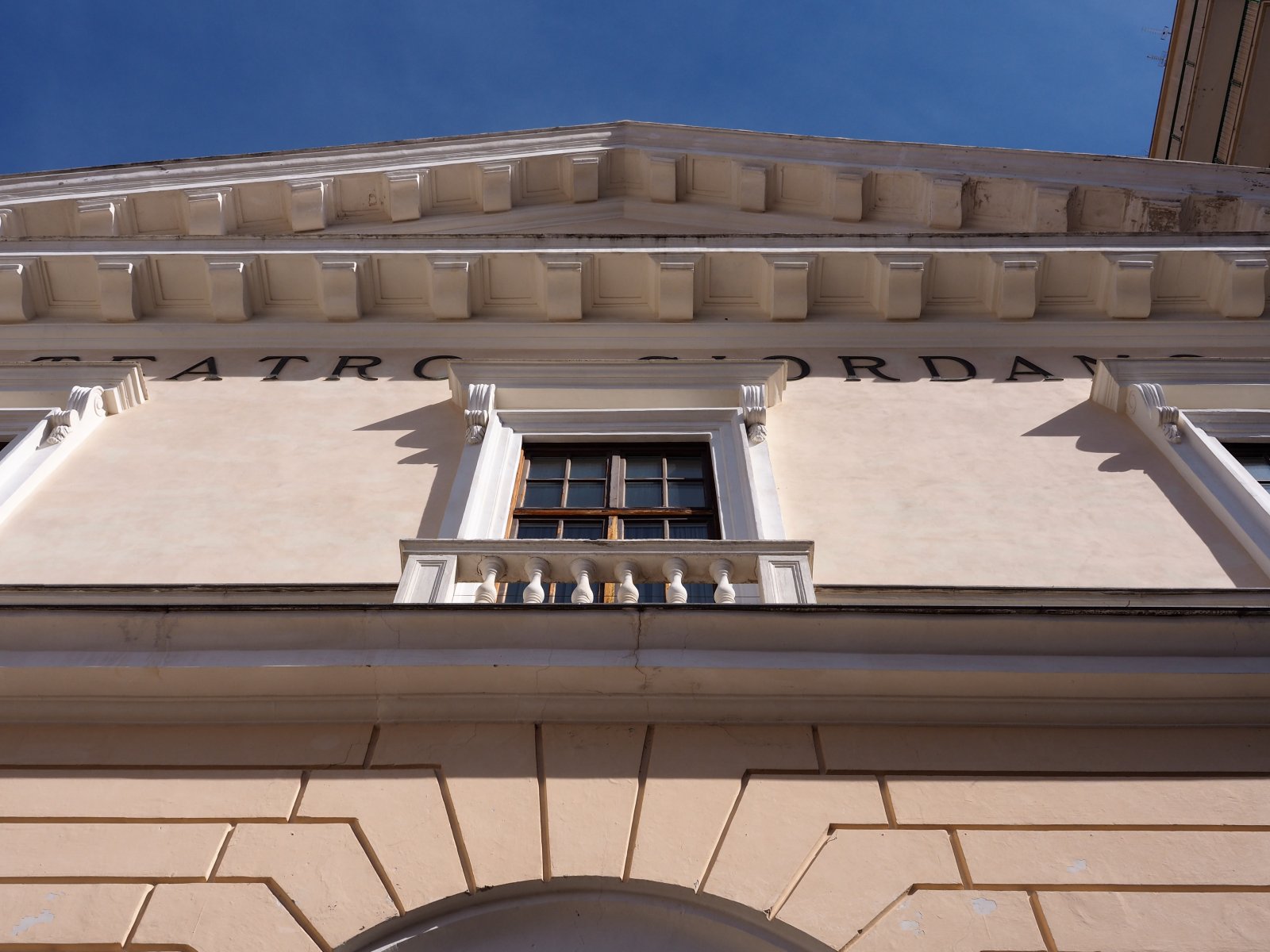
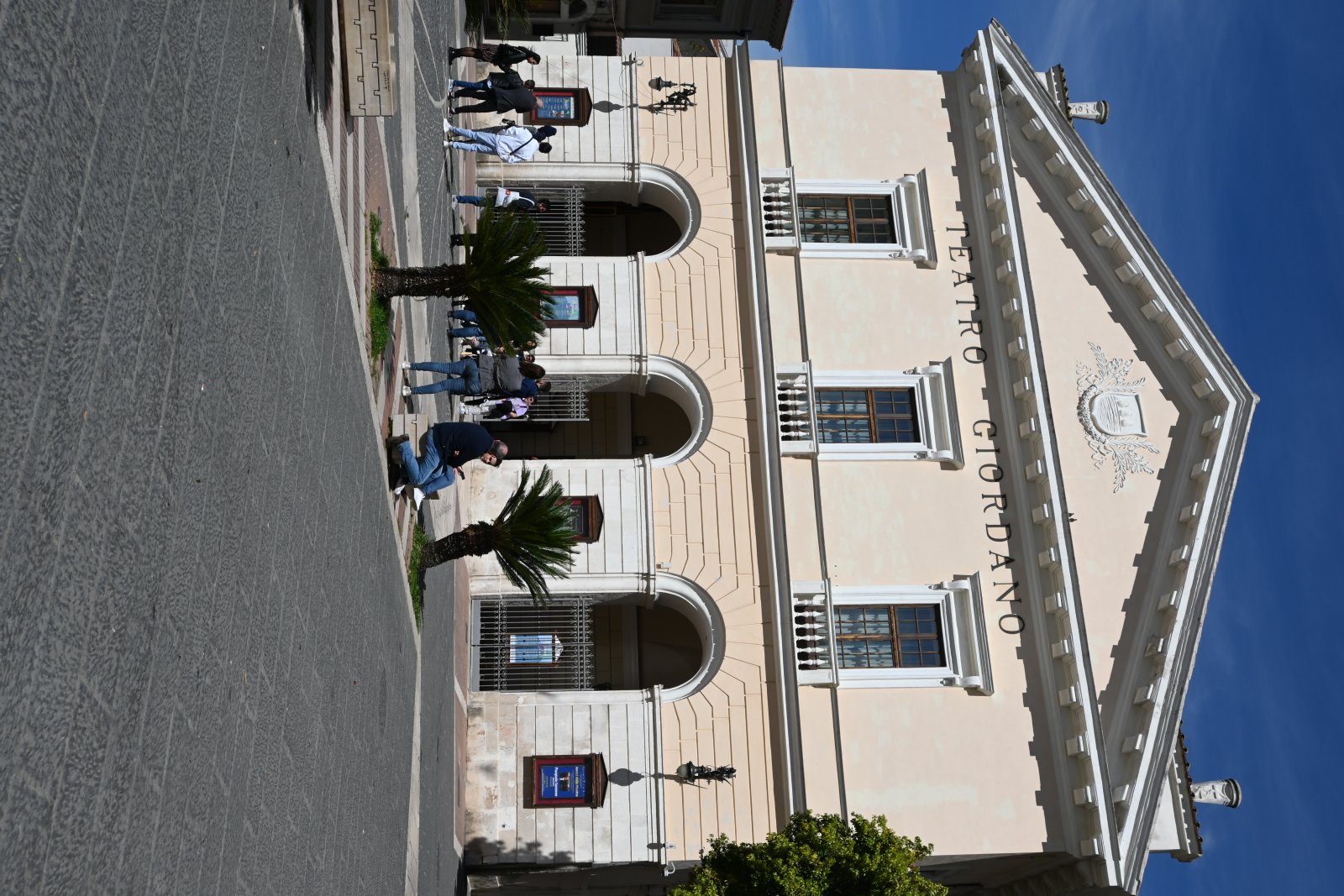
Architecturally, the Umberto Giordano Theatre is a masterpiece of Neoclassical design, characterized by its elegant façade and opulent interiors. The theatre's exterior is adorned with intricate stone carvings and stately columns that evoke a sense of classical beauty. Inside, the auditorium is a spectacle of artistry, with its plush red velvet seats, gilded decorations, and a grand chandelier that casts a warm glow over the audience. The ceiling is a marvel in itself, featuring stunning frescoes that reflect the artistic ambitions of the period in which it was built.
Beyond its architectural allure, the theatre is a vibrant hub of local culture and traditions. Foggia, known for its lively festivals and rich folklore, finds a stage in the theatre's events calendar. The annual Festa Patronale di Foggia, celebrating the city's patron saints, often spills into the theatre with special performances and exhibitions that draw both locals and visitors. This seamless blend of history and living tradition makes the theatre a cultural cornerstone of the city.
No visit to Foggia is complete without indulging in its gastronomic delights, and the theatre district offers a taste of the region's culinary heritage. Among the must-try dishes is orecchiette con cime di rapa, a pasta dish that showcases the simplicity and flavor of Apulian cooking. Pair this with a glass of Nero di Troia, a robust red wine from the Tavoliere delle Puglie, to fully immerse yourself in the local flavors. For dessert, the cartellate, a sweet pastry drizzled with vincotto or honey, provides a delightful finish to any meal.
While the theatre's grandeur is apparent, there are lesser-known curiosities that add depth to its story. One such tale is of the hidden passageways beneath the stage, rumored to have been used by performers and crew during the theatre's early years. These subterranean corridors, though not open to the public, are a source of intrigue and mystery, embodying the theatre's storied past. Additionally, the theatre's proximity to the ancient Via Traiana, a Roman road linking Benevento to Brindisi, hints at Foggia's historical significance as a crossroads of culture and commerce.
For those planning to visit, the best time to experience the Umberto Giordano Theatre is during the spring or autumn months when the weather is mild, and the city is abuzz with cultural events. Tickets for performances can be purchased online or at the theatre box office, and it's advisable to book in advance for popular shows. When visiting, take a moment to explore the surrounding Piazza Cesare Battisti, where the theatre is located, and enjoy the vibrant atmosphere of this historic square.
Whether you're a theatre aficionado or a casual traveler, the Umberto Giordano Theatre offers a window into the soul of Foggia. Its blend of history, art, and culture provides a unique experience that resonates long after the final curtain call.


