



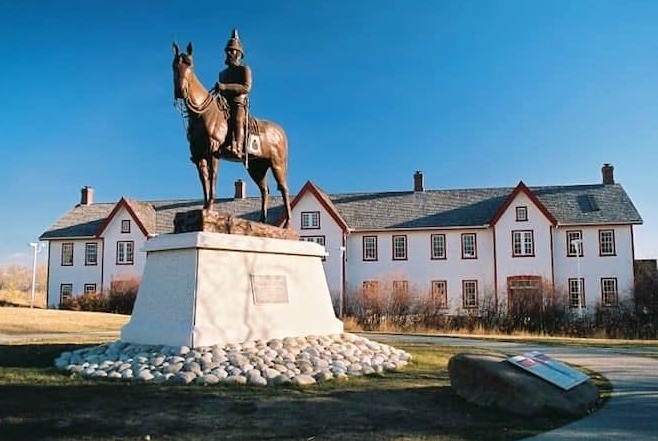
Fort Calgary Historic Park is more than just a historical site; it’s a vibrant testament to Calgary’s roots and the evolution of the Canadian frontier. Nestled at the confluence of the Bow and Elbow Rivers, this historic park offers a glimpse into the city's past while providing a serene escape within its 16 hectares (40 acres) of parkland.
### History and Origins The history of Fort Calgary dates back to 1875, when the Canadian government recognized the need for law enforcement in the burgeoning western territories. A troop of the North-West Mounted Police (NWMP) was dispatched to establish order and protect the interests of settlers and indigenous peoples alike. This fort served not only as a military outpost but also as a crucial base for trade and diplomacy with local tribes, particularly the Blackfoot Nation.
The fort's initial construction was prompted by the need to combat the illegal whiskey trade that threatened the peace among the indigenous communities. Throughout the late 19th century, Fort Calgary grew to become a key player in the region’s development, witnessing pivotal events such as the establishment of the Calgary Stampede and the eventual incorporation of Calgary as a city in 1904. Today, visitors can explore a reconstruction of the original fort, complete with period-appropriate buildings and exhibits that narrate these formative years in Calgary's history.
### Art and Architecture The architectural style of Fort Calgary is reflective of its time, featuring log buildings and wooden structures that were typical of the 19th-century frontier. The main fort building, a reconstruction of the original barracks, showcases sturdy timber construction designed for both utility and defense. Inside, visitors can admire artifacts from the era, including military uniforms, tools, and household items that offer a tangible connection to the past.
Art plays a significant role in interpreting the site’s history. Various installations and exhibitions are featured within the interpretive centre, where audiovisual displays bring to life the stories of the individuals who shaped Calgary. Notable artworks often include indigenous art that pays homage to the land's original inhabitants, creating a juxtaposition of cultures and histories that enriches the visitor experience.
### Local Culture and Traditions Calgary’s culture is a vibrant blend of indigenous heritage and settler influences. The city's traditions are often celebrated through various festivals, such as the Calgary Stampede, which began as a small agricultural exhibition and has grown into one of the largest rodeos in the world. This annual event, held every July, showcases cowboy culture, complete with rodeo competitions, parades, and live music.
Fort Calgary also serves as a venue for cultural events and educational programs that highlight the traditions of local Indigenous peoples, encouraging a deeper understanding of their rich history and contributions to the area. Visitors can participate in workshops, storytelling sessions, and traditional ceremonies, providing a unique opportunity to engage with Calgary’s diverse cultural tapestry.
### Gastronomy When it comes to gastronomy, Calgary is known for its hearty fare, much of which has roots in its ranching background. Visitors to Fort Calgary can explore local cuisine through nearby eateries that offer dishes such as bison burgers, steaks, and wild game options — all reminiscent of the region's outdoor heritage. Additionally, don’t miss trying Alberta beef, renowned for its quality and flavor, often showcased in local steakhouses.
For a taste of traditional Canadian comfort food, seek out poutine, a dish of fries topped with cheese curds and gravy, which has become a beloved staple in Canadian cuisine. Pair your meal with a local craft beer from one of Calgary’s many microbreweries, offering a refreshing taste of the region’s brewing talent.
### Lesser-known Curiosities While Fort Calgary is well-known for its historical significance, several lesser-known stories add depth to its narrative. For instance, the fort played a crucial role in the Klondike Gold Rush, as many prospectors passed through Calgary on their way to the goldfields of Yukon. Additionally, the fort was a center for early telegraph communication, linking Calgary to the outside world.
Another intriguing detail is the historic tree located within the park, a cottonwood that dates back over 100 years. It is said to have witnessed many significant events in Calgary’s history, making it a living monument to the past.
### Practical Visitor Information The best time to visit Fort Calgary Historic Park is during the summer months when the park is vibrant with activities and events. From May to September, you can enjoy guided tours, interactive exhibits, and live demonstrations of historical practices. Be sure to wear comfortable shoes, as the park offers scenic walking trails along the river.
For those looking to delve deeper, consider joining one of the themed tours available, which focus on specific aspects of Calgary's history, from its Indigenous heritage to the evolution of law enforcement in the area.
As you plan your visit, remember to check the park's schedule for any seasonal events or workshops that may enhance your experience.
Fort Calgary is not just a place to learn about the past; it’s a gateway to understanding the heart and soul of Calgary today. For a more personalized itinerary tailored to your interests, consider using the Secret World app to explore Calgary’s hidden gems.
