
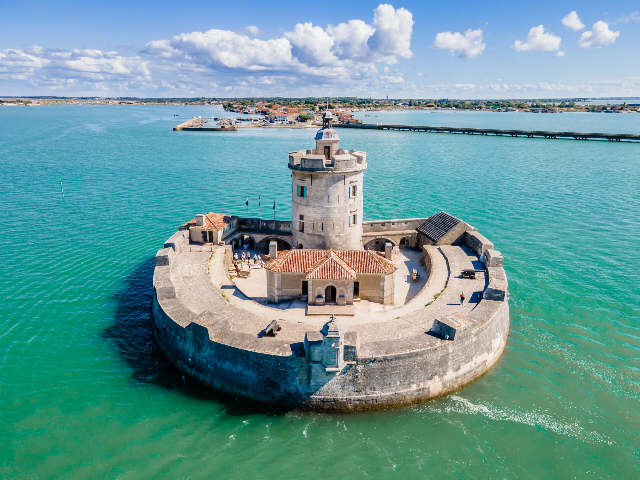

Fort Louvois, located in Bourcefranc-le-Chapus, France, is a castle-like sea fort that dates back to the 17th century. Originally built as a defensive structure to protect the nearby harbor, it has been repurposed and now serves as a museum dedicated to oyster farming.
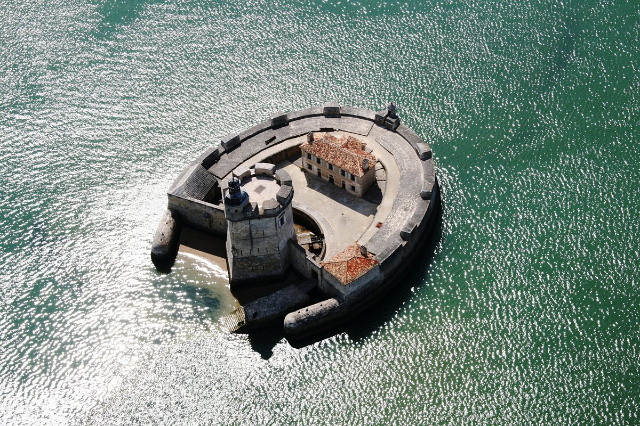
The fort's unique architecture and strategic location make it a fascinating historical landmark. It is situated on an island at the entrance of the Pertuis d'Antioche, a strait that separates the Île d'Oléron from the mainland. Access to the fort is via a causeway that appears during low tide.
Inside the fort, visitors can explore various exhibits and displays that showcase the history and significance of oyster farming in the region. Oyster farming has been a vital part of the local economy and culture for centuries, and the museum provides insights into the techniques, traditions, and challenges associated with this industry.
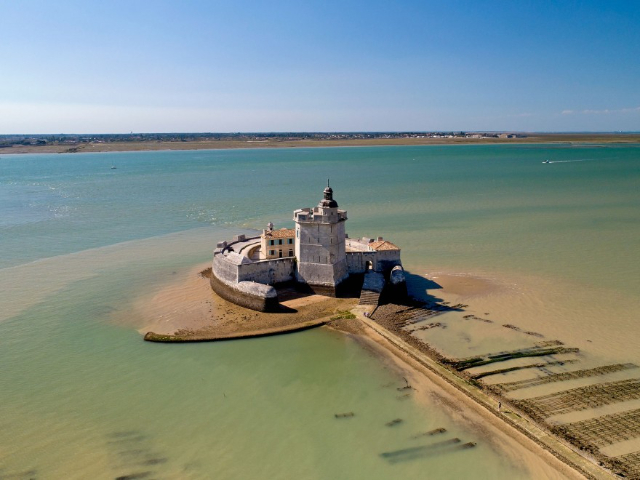
The museum offers a glimpse into the lives of oyster farmers, their tools, and the process of oyster cultivation. Visitors can learn about the lifecycle of oysters, their habitats, and the environmental factors that impact their growth. The museum also highlights the importance of sustainable practices in oyster farming.
Beyond the educational aspect, Fort Louvois itself is a sight to behold. Its impressive defensive features, such as the moat, drawbridge, and cannon emplacements, offer a glimpse into the military architecture of the 17th century. Exploring the fort's ramparts provides panoramic views of the surrounding coastline and the ocean.
A visit to Fort Louvois offers a unique blend of history, culture, and natural beauty. It allows visitors to appreciate the historical significance of the fort while gaining insights into the traditional industry of oyster farming in the region.


