
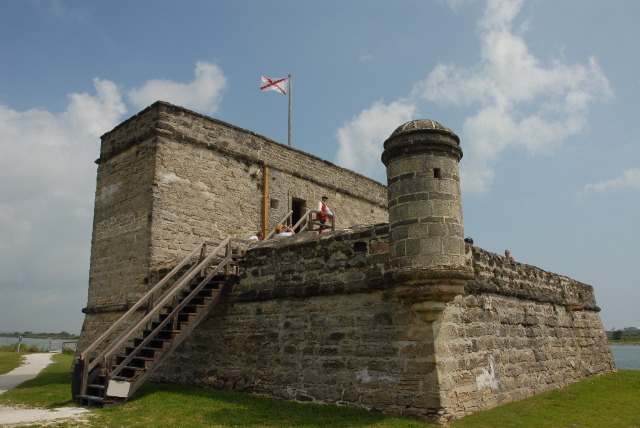

Perched on the edge of the Matanzas Inlet, Fort Matanzas National Monument stands as an enduring testament to Florida's storied past. Built in 1742, this coastal fortification was strategically designed to defend the city of St. Augustine against potential British incursions. Just 15 miles south of the nation’s oldest city, the fort has weathered time, tides, and turmoil, embodying the resilience of a bygone era.
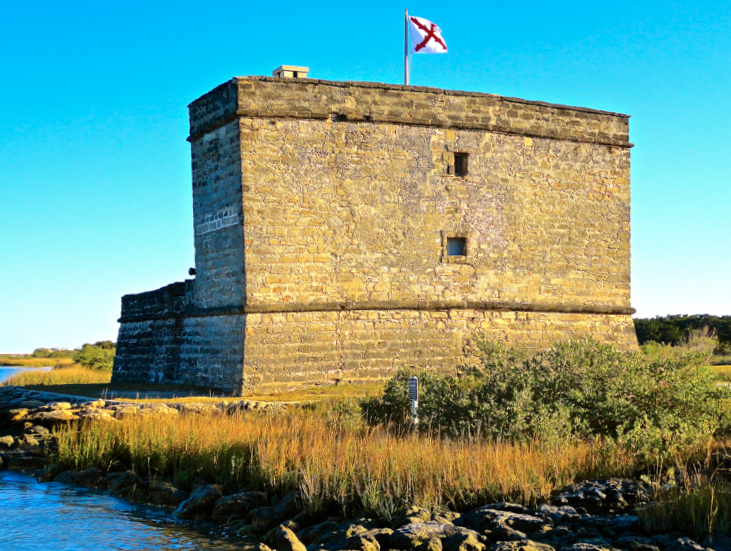
The origins of Fort Matanzas are deeply rooted in the colonial struggles for power in North America. Following Spain's establishment of St. Augustine in 1565, the need to protect its interests from rival British forces became paramount. The fort was constructed under the supervision of Spanish engineer and surveyor José de Zúñiga y la Torre. With its coquina stone structure and strategic positioning, Fort Matanzas was not merely a military installation; it was a symbol of Spanish authority and a vital outpost guarding the southern waterways.
The fort played a crucial role during the Anglo-Spanish War and is particularly noted for its involvement in the defense against British attacks in the late 18th century. Its cannons, positioned to overlook the inlet, were pivotal during skirmishes, although the fort never saw a full-scale battle. Today, it stands as a serene monument, where visitors can learn about the complex tapestry of colonial military strategies and the cultural exchanges that shaped the region.
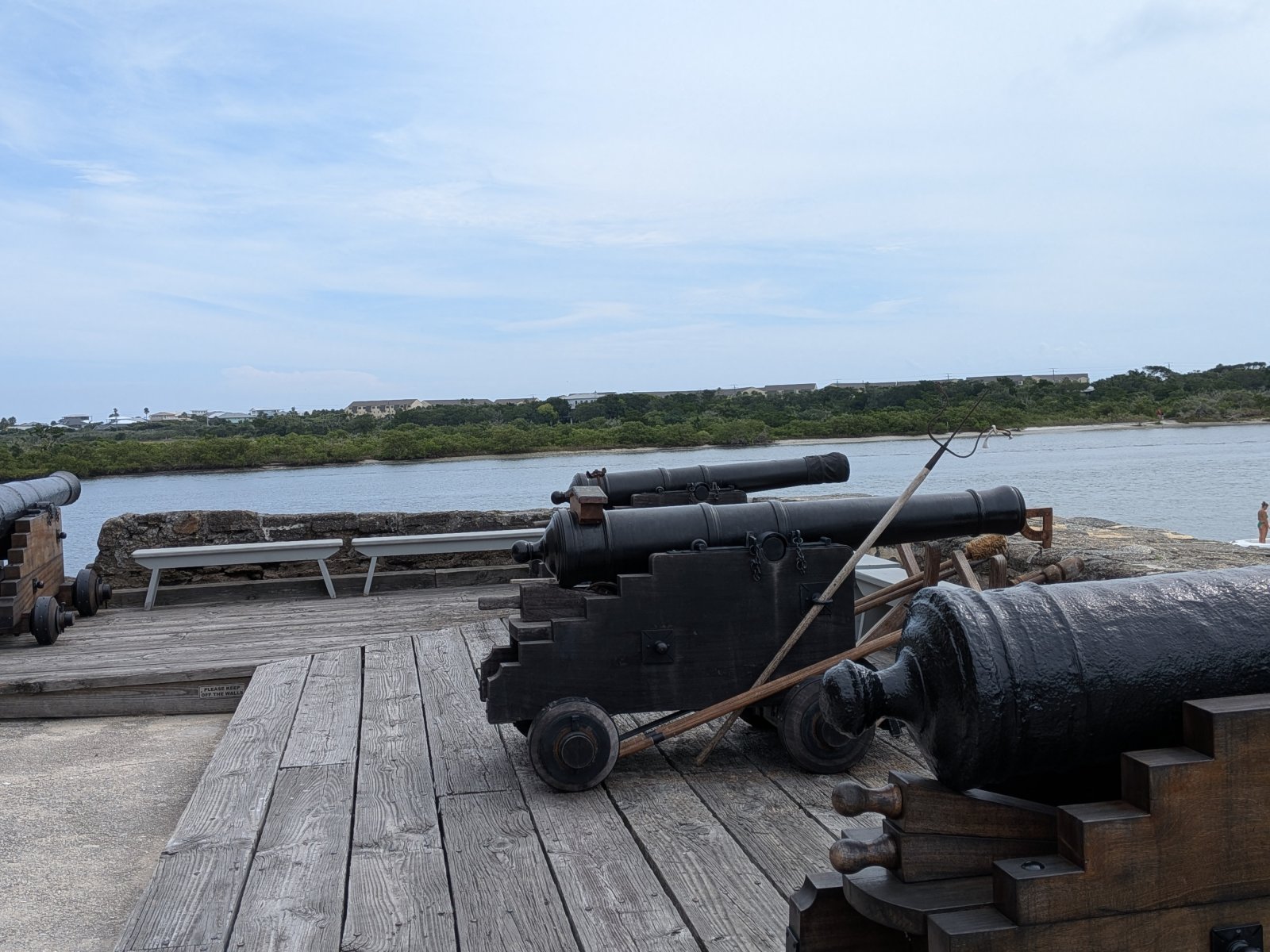
Architecturally, Fort Matanzas is a fine example of Spanish colonial military design, characterized by its circular layout and thick coquina walls. The use of coquina—a porous limestone composed of shell fragments—was intentional; it absorbs cannon fire rather than shattering. This unique construction material not only enhances its aesthetic appeal but also serves as a reminder of the local geology. The fort’s interior features a central courtyard and several rooms that once housed soldiers, providing a glimpse into military life of the 18th century.
In addition to its architectural significance, the fort is surrounded by 100 acres of salt marsh and barrier islands, rich in biodiversity. The natural landscape is home to a variety of wildlife, including herons, egrets, and even the occasional dolphin in the waters off the coast. This blend of nature and history creates a picturesque setting that inspires both reflection and exploration.
The local culture surrounding Fort Matanzas is steeped in historical traditions. The nearby St. Augustine area hosts numerous festivals that celebrate its Spanish heritage, such as the Fiesta de Aviles and Noche de Gala, where the community comes together to honor its past through music, dance, and culinary delights. The spirit of the region is vibrant, with reenactments and historical presentations bringing to life the stories of those who walked these grounds centuries ago.
Speaking of culinary delights, visitors to Fort Matanzas should not miss the chance to sample local specialties that reflect Florida's rich cultural tapestry. Minorcan clam chowder, a spicy blend of clams, potatoes, and the region's famous datil peppers, offers a taste of the area's unique culinary heritage. Additionally, shrimp and grits, a Southern classic, can be found in local establishments, often served with a touch of local flair. Pair your meal with a glass of Florida craft beer, which has surged in popularity, reflecting the burgeoning local brewing scene.
Among the hidden gems that many tourists overlook is the story behind the fort's name, which translates to "slaughters." This name harkens back to a tragic event in 1565 when the Spanish settlers defended themselves against French Huguenots, resulting in a brutal confrontation. The fort's location, once a site of conflict, now stands in stark contrast to its peaceful present, where visitors can traverse the grounds and absorb the tranquility.
For those planning a visit, the best times to experience Fort Matanzas are during the spring and fall months when the weather is mild and the crowds are smaller. The National Park Service offers free ferry rides from the visitor center to the fort, allowing guests to enjoy the scenic beauty of the inlet. Be sure to take advantage of the ranger-led programs that delve deeper into the fort's history and ecology, enriching your understanding of this historic site.
Whether you are drawn to its historical significance, architectural beauty, or the surrounding natural landscape, Fort Matanzas National Monument provides an enriching experience that captures the essence of Florida's colonial past. So, as you plan your journey to this remarkable site, consider using the Secret World app to craft a tailored itinerary that explores all that St. Augustine has to offer.


