


A sambar moves silently among the dhok trees, its wide antlers almost invisible in the light filtered through the forest. A few steps away, a group of langurs with black faces watches from the top of an ancient wall, indifferent to the visitors walking on the red dirt path. This is the wooded buffer zone surrounding the Ranthambore Fort, in Sawaimadhopur, in the state of Rajasthan, India: a natural corridor where medieval history and biodiversity overlap in a completely unusual way.
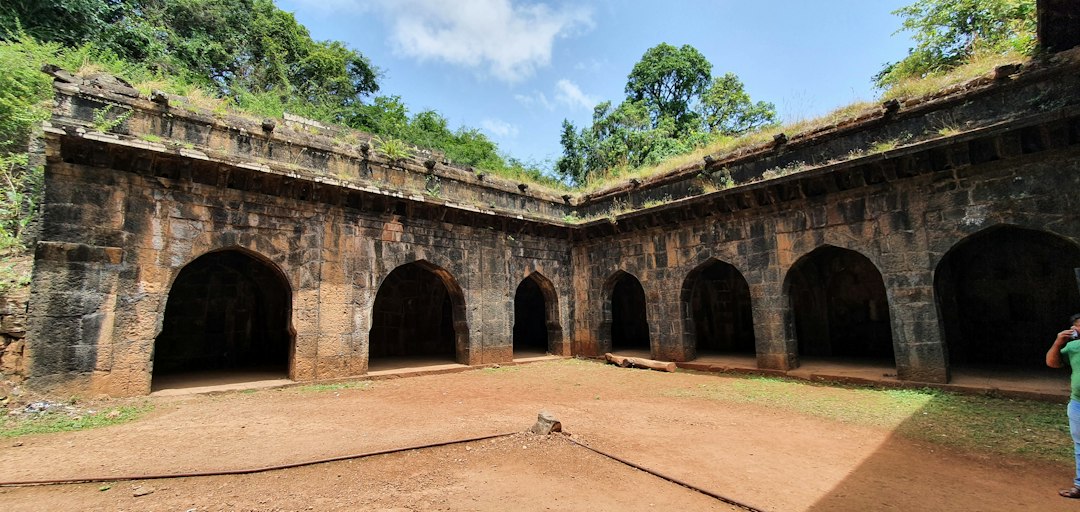
The fort is located within the Ranthambore National Park, one of India's most famous tiger reserves, established as a reserve in 1973 as part of the Indian government's Project Tiger. But while jeep safaris to the central areas of the park attract thousands of tourists each year, the paths along the walls of the fort remain surprisingly uncrowded, offering a slower and more direct nature experience.
A stronghold among trees and wildlife
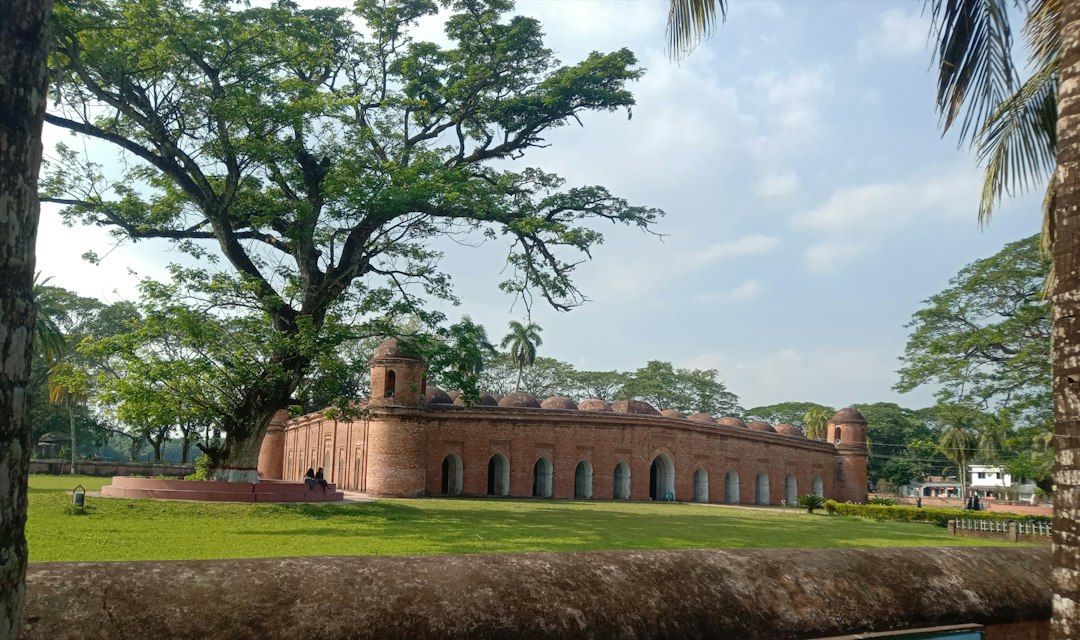
The Ranthambore Fort is a medieval structure built on a rocky hill about 215 meters above the surrounding plain. Its origins date back to the 10th century, with subsequent expansions under the Chahamana and then the sultans of Delhi and the Mughals. The walls extend for several kilometers and enclose temples dedicated to Ganesha, Shiva, and Ramlalaji, which are still today destinations for local pilgrimages. Walking along the outer perimeter means moving through a forest of dhok trees (Anogeissus pendula), the dominant species in this arid region of Rajasthan, which in autumn takes on reddish and golden hues.
The dense vegetation around the walls creates an ideal habitat for numerous species. The sambar (Rusa unicolor), large deer with dark brown coats, can almost certainly be spotted in the morning hours. The langurs (Semnopithecus entellus), the sacred monkeys of Hindu tradition, inhabit the ruins and the tallest trees in large groups. Less frequent but documented, leopards use this area as a movement corridor, often during the night or at dawn.
Biodiversity Beyond Tigers
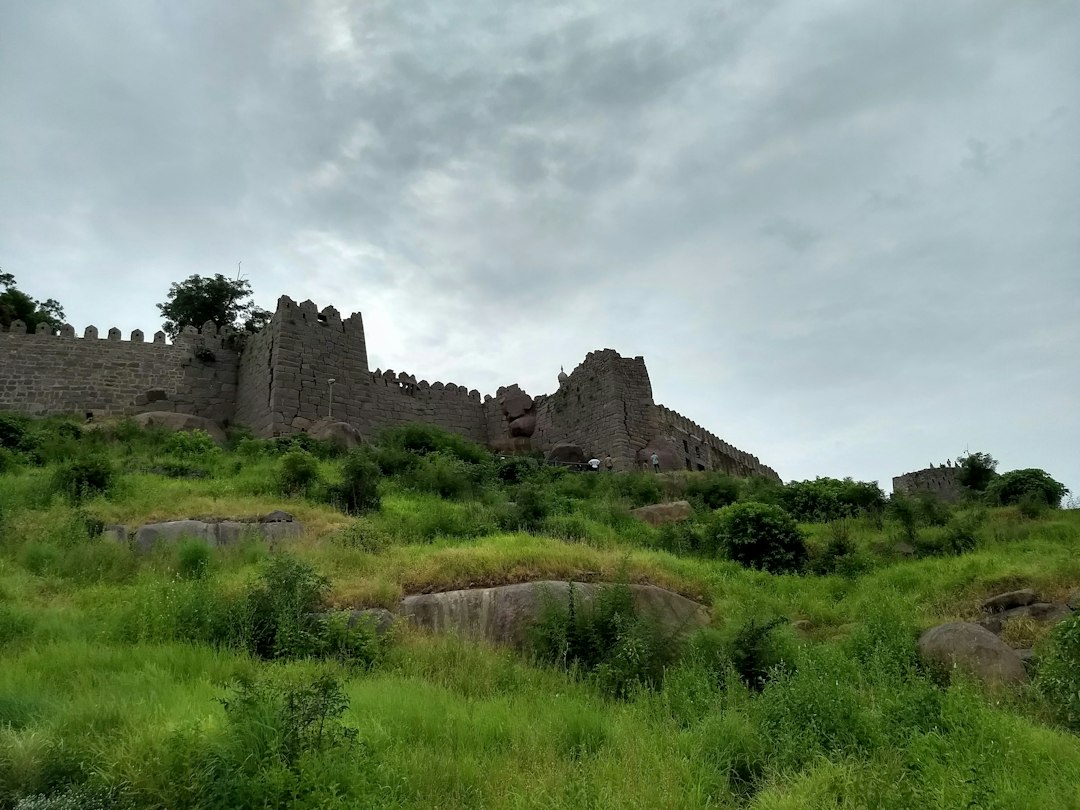
Ranthambore is famous for its Bengal tigers, but the area around the fort offers a window into a much broader biodiversity. Birds are particularly abundant: the peacock (Pavo cristatus), the national bird of India, is present in large numbers and often visible on the very walls. The crested serpent eagles (Crested Serpent Eagle) soar over the forest in search of prey, and in the wetlands near the fort, herons and kingfishers can be spotted.
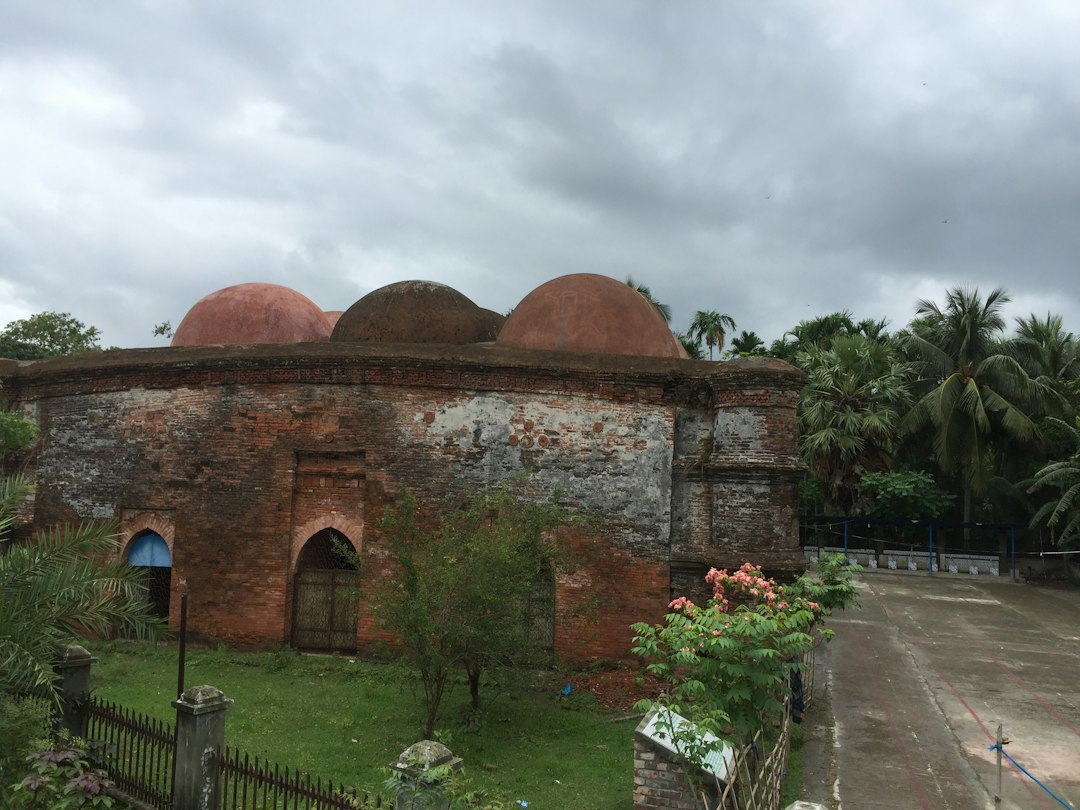
Among reptiles, Bengal monitors (Varanus bengalensis) are common on sun-exposed rocks, while in more open areas, nilgai, the blue antelope, the largest land animals in Asia, are occasionally encountered. This variety of wildlife makes a walk around the fort a complete nature observation experience, independent of the motorized safari.
Walking in the Forest: What to Expect
The trails around the fort are not tourist paths equipped with elaborate signage: they are dirt tracks, often shared with the animals themselves. The terrain is uneven, with sections uphill towards the upper walls of the fort. Sturdy closed shoes are essential, as well as clothing that covers arms and legs to protect against thorny vegetation and insects. The visit typically requires two to three hours for a complete circuit around the outer walls.
Inside the fort, the Ganesha temples are open to visitors and represent a natural stopping point. Local pilgrims often walk up along the main path, and their presence makes the place lively even on weekdays. The entrance ticket to the national park, necessary to access the fort area, has a cost that varies for foreign visitors compared to Indian ones: it is advisable to check the updated rates directly at the Forest Department Gate in Sawaimadhopur, as prices are periodically reviewed.
When to go and how to organize
The best time to visit the area of the fort is between October and March, when temperatures are milder and the vegetation, less dense compared to the monsoon season, allows for easier sightings. Dawn is the ideal time: wildlife is active, the light is favorable for photography, and the heat is not yet intense. Arriving at the park entrance by six in the morning allows for walking the trails during the hours of greatest animal activity.
Sawaimadhopur can be reached by train from Jaipur in about two hours, with frequent connections. From the town, the fort is about 10 kilometers away and can be reached by car or tuk-tuk. Avoid weekends and Indian holidays, when the number of pilgrims heading to the temples significantly increases and wildlife tends to move to the more interior areas of the park.


