
← Back

Fortress Naryn-Kala, Derbent

Derbent, Daghestan, Russia ★★★★☆ 235 views
Kelly Moreno
Derbent
🏆 AI Trip Planner 2026

Get the free app

Discover the best of Derbent with Secret World — the AI trip planner with 1M+ destinations. Get personalized itineraries, hidden gems and local tips. Free on iOS & Android.

🧠 AI Itineraries 🎒 Trip Toolkit 🎮 KnowWhere Game 🎧 Audio Guides 📹 Videos
Scan to download iOS / Android
Scan for AppGallery Huawei users

About Fortress Naryn-Kala, Derbent

Fortress Naryn-Kala, Derbent  - Derbent | Secret World Trip Planner

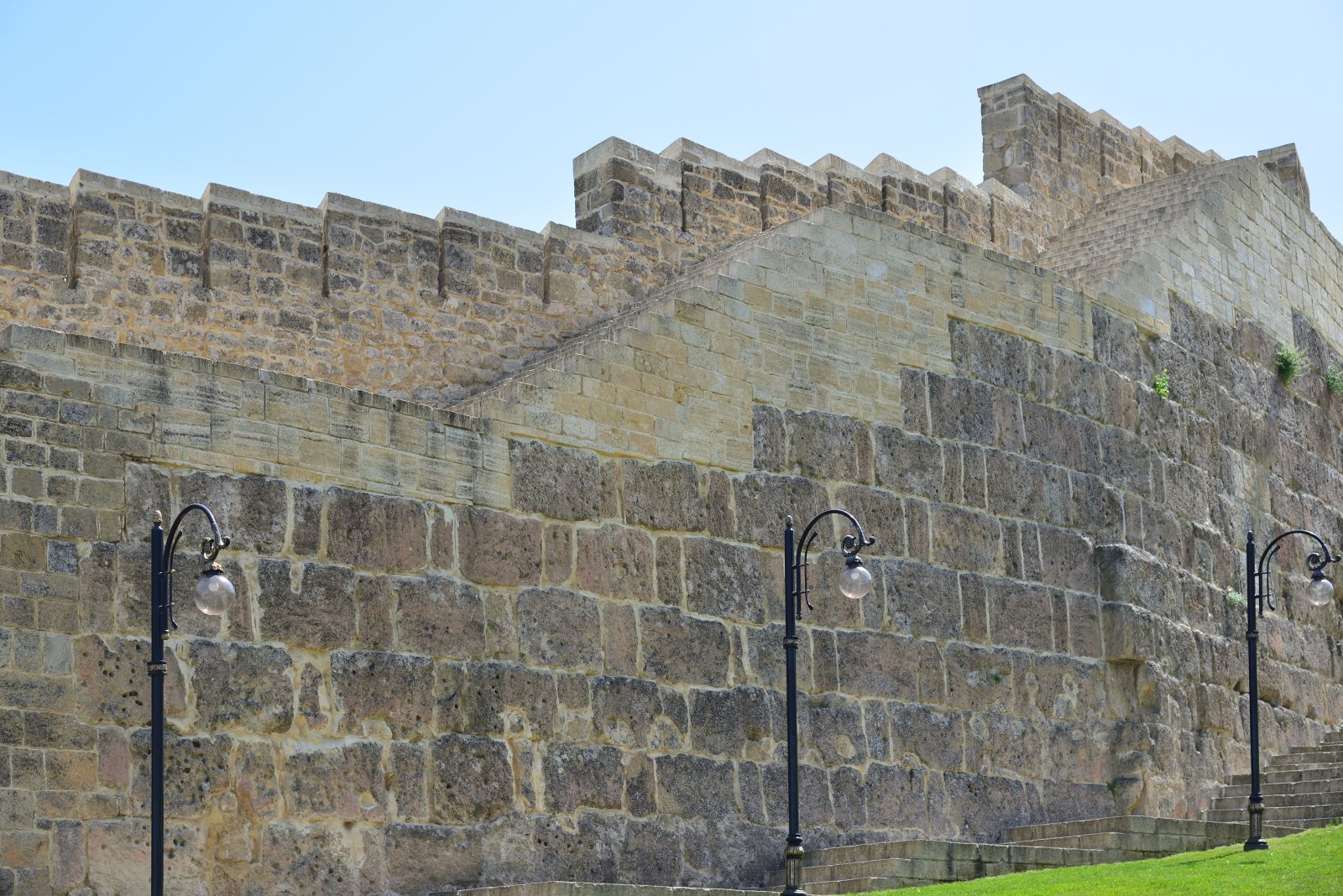
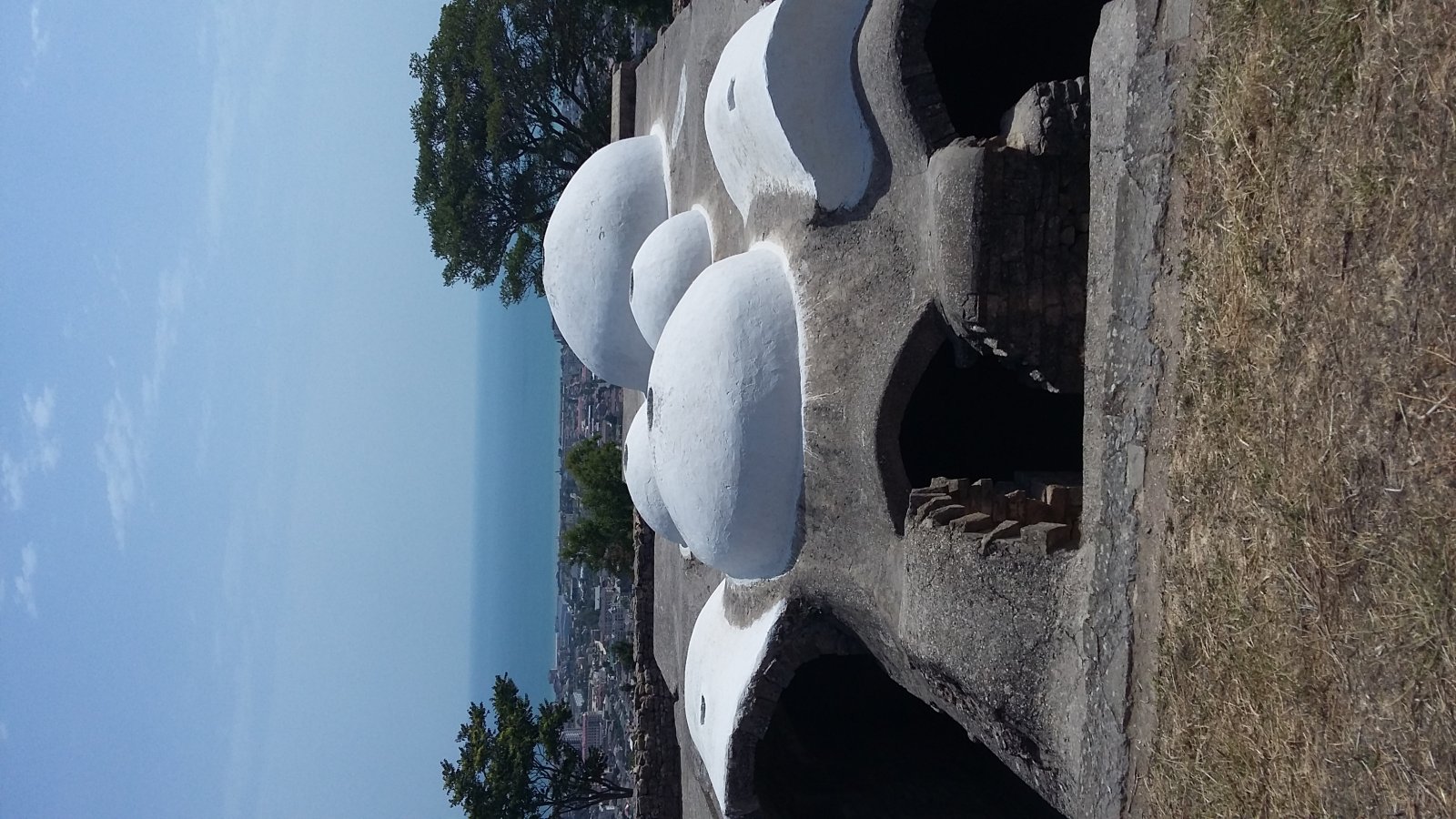
Derbent is a city located on the shores of the Caspian Sea in the Republic of Dagestan in southern Russia. It is located in the most strategically vulnerable place of the Caspian Gates, where the Greater Caucasus Mountains come closest to the sea, leaving only a narrow 3-km strip of plain. The Derbent fortress was part of a large defensive system constructed to protect the peoples of Transcaucasia and Western Asia from the invasions of nomads from the north. The system included the walls, the citadel of Naryn-Kala, sea walls, and the Dag Bara Mountain Wall.The fortification was built in stone. It consisted of two parallel walls that formed a barrier from the seashore up to the mountain. The town of Derbent was built between these two walls, and has retained part of its medieval fabric. The site continued to be of great strategic importance until the 19th century.The citadel is surrounded on three sides by steep slopes and has massive stone walls between 2.5 m and 3.2 m thick, over 700 m in length and 10 to 15 m in height. Within the citadel, the ruins and archaeological remains of a number of buildings are found, including the Khan’s Palace, a bath, several underground water tanks, a 5th-century Christian church, and an 8th-century mosque, one of the earliest in the former Soviet Union. Fortifications combined with the medieval buildings of the old part of the city, the so-called Magalims, form a unique cultural landscape. Derbent has largely maintained its original form and provides impressive evidence of the city’s greatness and power in different historic periods over 15 centuries – Arab, Seljuk, Mongol, Timurid and Safavid periods until the 19th century when it became part of the Russian Empire. The property that is inscribed as the Citadel, Ancient City and Fortress Buildings of Derbent covers 37.658 ha and is surrounded by a 451.554-ha buffer zone.
Fortress Naryn-Kala, Derbent  - Derbent | Secret World Trip Planner

Buy Unique Travel Experiences

Powered by Viator

See more on Viator.com

Frequently Asked Questions

Naryn-Kala is the citadel of Derbent, a fortress built as part of a large defensive system to protect the peoples of Transcaucasia and Western Asia from nomadic invasions from the north. It was strategically constructed at the Caspian Gates where the Greater Caucasus Mountains come closest to the sea, leaving only a narrow 3-km strip of plain, making it one of history's most important defensive positions.
Inside the citadel, visitors can explore archaeological remains including the Khan's Palace, a 5th-century Christian church, an 8th-century mosque (one of the earliest in the former Soviet Union), a traditional bath, and several underground water tanks. These structures represent different periods spanning 15 centuries, from Arab and Seljuk times through Safavid rule until the 19th century.
The citadel is surrounded on three sides by steep slopes and features massive stone walls between 2.5 to 3.2 meters thick, stretching over 700 meters in length and rising 10 to 15 meters in height. The fortification was built entirely in stone with two parallel walls that extended from the seashore up to the mountain, with the medieval town of Derbent constructed between them.
Derbent's uniqueness lies in its complete defensive system combining the citadel of Naryn-Kala with parallel walls, sea fortifications, and the Dag Bara Mountain Wall, all integrated with medieval buildings of the old city called Magalims to form a unique cultural landscape. The entire property covers 37.658 hectares and has maintained its original medieval form while providing evidence of the city's significance across Arab, Seljuk, Mongol, Timurid, and Safavid periods.
Naryn-Kala remained of great strategic importance from its construction in the 5th century until the 19th century when Derbent became part of the Russian Empire, spanning over 1,500 years of continuous historical significance. This makes it one of the longest-functioning defensive fortifications in the Caucasus region, serving multiple empires and periods throughout its existence.