



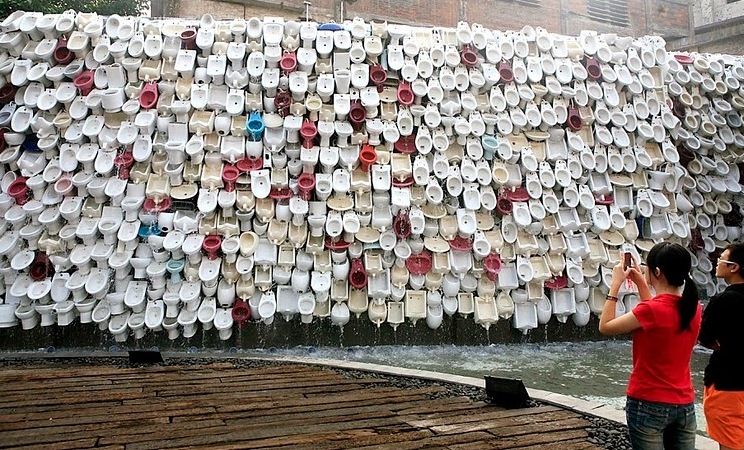
Nestled in the heart of Guangdong Province, China, Foshan is a city that seamlessly marries rich history with the avant-garde. Among its many attractions, one of the most peculiar is the Toilet Bowl Waterfall, an artistic spectacle that draws curious visitors and locals alike. This remarkable installation showcases the city’s innovative spirit and its connection to porcelain artistry.
History and Origins
Foshan has a storied past that dates back over 5,000 years. Originally founded as a fishing village during the Shang Dynasty, it grew into a significant trading hub during the Song Dynasty (960-1279 AD), thanks to its strategic location near the Pearl River. The city became renowned for its exceptional craftsmanship in ceramics and pottery, especially during the Ming (1368-1644) and Qing Dynasties (1644-1912).
Significant historical events include the establishment of the Foshan Martial Arts School in the 19th century, which contributed to the global popularity of Chinese martial arts. Foshan is also the birthplace of legendary figures such as Ip Man, the master of Wing Chun kung fu, further enriching its cultural tapestry.
Art and Architecture
The Toilet Bowl Waterfall, created by artist Shu Yong for the 2009 Foshan Pottery and Porcelain Festival, epitomizes Foshan’s artistic flair. Spanning 100 meters in length and nearly 5 meters high, this installation comprises 10,000 recycled toilets, sinks, and urinals, a staggering feat of public art that transforms everyday objects into a cascading waterfall.
Shu Yong’s work is not just a visual spectacle; it challenges conventional notions of beauty and utility. The installation is carefully engineered to flush periodically, creating a dynamic water feature that captivates viewers. Surrounding it, Shiwan Park boasts a wealth of other ceramic sculptures, celebrating the city’s legacy in pottery and porcelain, making it a vibrant hub for art lovers.
Local Culture and Traditions
Foshan's cultural significance is deeply rooted in its customs and festivals. The Foshan International Ceramic Fair highlights the city's historical expertise in ceramics and attracts artisans from around the globe. Additionally, the Dragon Boat Festival, celebrated in June, features thrilling boat races that pay homage to ancient traditions, showcasing local teamwork and competitive spirit.
Another unique aspect of Foshan's culture is its dedication to martial arts, particularly Wing Chun. The annual Foshan International Wing Chun Festival draws enthusiasts from around the world, promoting the cultural heritage of martial arts while fostering community among practitioners.
Gastronomy
Culinary exploration in Foshan is a delightful journey through Cantonese cuisine. The city is famous for its dim sum, a collection of small dishes that range from dumplings to steamed buns. One must-try delicacy is Foshan-style rice noodles, often served with a variety of meats and vegetables.
For those with a sweet tooth, Foshan’s almond tofu is a local favorite, a silky dessert that balances sweetness and creaminess. Pair your meal with a cup of oolong tea, a staple in Cantonese dining that enhances the flavors of the food and offers a moment of tranquility.
Lesser-Known Curiosities
While the Toilet Bowl Waterfall is a major attraction, Foshan is full of surprises. Did you know that the city is also home to the ancient Nanfeng Ancient Kiln? This historic kiln, dating back over 500 years, still operates today, offering visitors a glimpse into traditional ceramic-making methods.
Another lesser-known gem is the Zumiao Temple, dedicated to the God of War, which features stunning architecture and vibrant carvings. This temple, built during the Song Dynasty, plays a vital role in the spiritual life of the community, especially during festivals when locals gather to pay their respects.
Practical Visitor Information
The best time to visit Foshan is during the spring (March to May) and autumn (September to November) when the weather is mild and pleasant. Be sure to explore Shiwan Park and the surrounding ceramic shops, which showcase the artistry that defines Foshan.
Visitors should not miss the chance to try local dishes in the bustling Foshan food markets, where the scents of grilled meats and fresh seafood mingle in the air. When navigating the city, consider using local transportation, such as the metro or taxis, which are both affordable and convenient.
Foshan is a city where ancient traditions and modern creativity coexist, making it a unique destination for travelers. Whether you’re marveling at the Toilet Bowl Waterfall or savoring the flavors of Cantonese cuisine, the experiences here are sure to leave a lasting impression. To make the most of your visit, consider using the Secret World app for a personalized AI itinerary tailored to your interests in Foshan Shi.
