



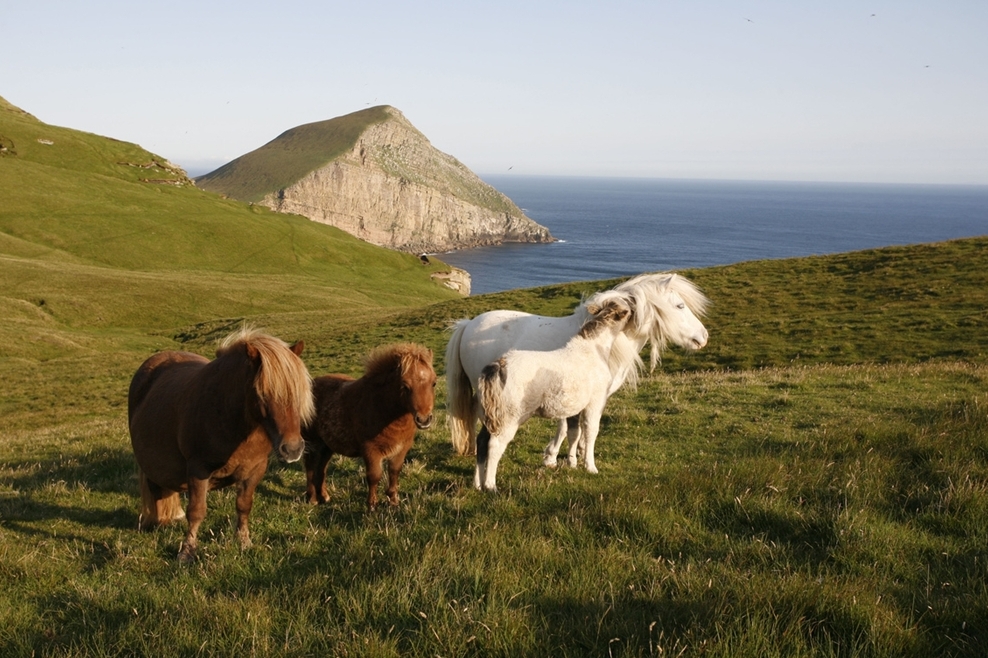
On the windswept horizon of the North Sea, where the land meets the sky, lies Foula—an enchanting island that seems to have escaped the clutches of time. This hidden gem, part of the Shetland Islands in Scotland, is a sanctuary for nature lovers and a home to more ponies than people. With just about 30 residents and hundreds of friendly, hardy Foula ponies, the island offers a glimpse into a world where humans and animals coexist in perfect harmony.
History and Origins Foula boasts a rich tapestry of history that dates back to the Bronze Age. Archaeological evidence suggests that this island has been inhabited for thousands of years, with its first settlers likely drawn by its abundant natural resources. The Foula ponies, a symbol of the island, are believed to have been bred here since ancient times. Their lineage can be traced back to the island’s early inhabitants, who used them as working animals and companions.
Over the centuries, Foula has seen its share of key historical events, including Viking raids and the eventual Norse settlement. In the 12th century, the island became part of the Earldom of Orkney, a territory that had significant influence over Shetland. While much of the world has modernized, Foula’s isolation has allowed its unique cultural heritage and traditional lifestyles to flourish.
Art and Architecture The architecture of Foula is as rugged and charming as its landscape. Traditional stone houses, known as “blackhouses,” with their distinctive thatched roofs, dot the island. These structures, built from local stone and materials, are designed to withstand the harsh weather of the North Atlantic. The simplicity and functionality of these homes reflect the islanders’ connection to their environment.
Beyond architecture, the island is a canvas for natural artistry. The stunning cliffs, dramatic seascapes, and the ever-changing skies are a constant source of inspiration for local artists. While there may not be many formal galleries, the artistic spirit of Foula can be felt in the crafts and handmade goods created by residents, often featuring motifs of the island’s wildlife and landscapes.
Local Culture and Traditions The culture of Foula is deeply intertwined with its natural surroundings. Traditional customs are celebrated with enthusiasm, particularly during the Foula Day held each summer, where residents and visitors come together for games, music, and dance. This festival is a vibrant showcase of local talent, featuring traditional Shetland music and storytelling that honor the island's heritage.
The islanders maintain a close-knit community, with traditions revolving around farming, fishing, and, of course, the care of their beloved ponies. The bond between villagers and their animals is palpable, and visitors often find themselves swept up in this warm, familial atmosphere.
Gastronomy Gastronomy on Foula is a celebration of local produce and seafood. The island is known for its fresh, sustainable ingredients that reflect its maritime heritage. Dishes often feature locally caught fish, such as cod and haddock, and traditional recipes, like lamb stew, are common during family gatherings.
Visitors may also sample Foula bread, a simple yet hearty loaf that has been made using traditional techniques for generations. Accompanied by locally sourced butter, it makes for a satisfying meal after a day of exploring the island's beautiful landscapes.
Lesser-Known Curiosities One of the most surprising aspects of Foula is the island's unique weather patterns. Due to its geographical position, it experiences a microclimate that can shift dramatically within hours. This makes for breathtaking sunsets and sunrises that can change from vibrant oranges and pinks to moody grays in the blink of an eye.
Additionally, the Foula ponies are not just charming; they play a practical role in the island’s ecosystem. Their ability to graze on the rugged terrain helps maintain the island’s natural balance. Some locals have even trained these ponies to assist in guiding visitors, showcasing their intelligence and gentle temperament.
Practical Visitor Information The best time to visit Foula is during the summer months, from June to August, when the weather is milder and the island is alive with activity. The ferry service from Shetland Mainland operates regularly, but it’s wise to check schedules as they can change based on weather conditions.
While on the island, take time to explore the cliffs of the Westside, where seabirds like puffins and gannets nest. Don’t miss the chance to hike to Bard Head, the highest point on the island, for panoramic views of the surrounding seas.
To fully immerse yourself in the magic of Foula, consider using the Secret World app to curate a personalized itinerary, ensuring you don’t miss any hidden treasures.
