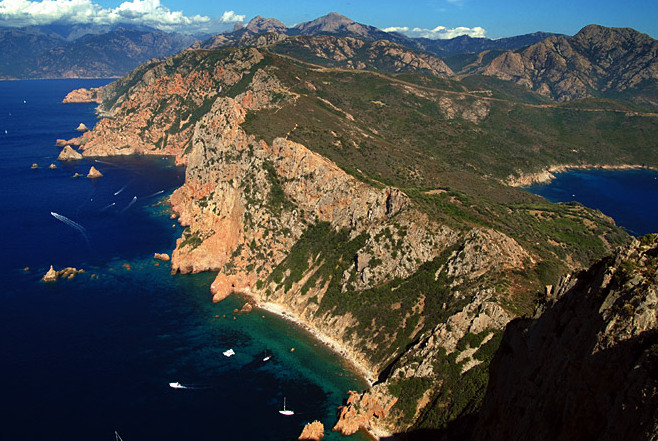

The GR20 is not merely a hiking trail; it is a rite of passage for outdoor enthusiasts. Spanning 170 kilometers (105 miles) from Calenzana in the north to Vizzavona in the south, this challenging footpath offers breathtaking vistas and a rigorous test of endurance. Recognized as one of the most difficult long-distance walks in Europe, the GR20 demands physical fitness and mental resilience, rewarding adventurers with unparalleled views of rugged mountains, dense forests, and crystalline lakes.
### History and Origins
Corsica has a rich tapestry of history that dates back to ancient civilizations. The island was first inhabited by the Tartessian people, followed by the Greeks and Romans, who recognized its strategic importance. However, it wasn't until the Middle Ages that Corsica began to develop its distinct identity, influenced heavily by the Genoese and later the Pisans. The GR20, established in the late 20th century, is a modern creation that showcases the island's natural beauty, yet its roots are deeply intertwined with the ancient paths used by shepherds and local inhabitants for centuries.
In 1970, the GR20 was officially marked and opened, designed by the French alpine club to connect various villages and highlight the island’s stunning landscapes. Over the decades, it has drawn thousands of trekkers from around the globe, becoming emblematic of Corsican adventure tourism.
### Art and Architecture
The architecture along the GR20 reflects the island’s varied influences. Traditional Corsican homes, known as stazzi, are often made from local granite and wood, blending seamlessly into the rugged landscape. These structures have evolved over the centuries, showcasing a mix of Mediterranean and Genoese styles.
In Calenzana, the starting point of the GR20, visitors can explore the Church of Saint Anne, an example of Baroque architecture that dates back to the 17th century. The intricate wooden altar and vibrant frescoes within the church depict the island's religious heritage, making it a must-visit for both history buffs and art lovers.
### Local Culture and Traditions
Corsican culture is as vibrant as its landscapes. The island has a rich tradition of music, particularly polyphonic singing, which is characterized by harmonious, multi-part vocal arrangements. Festivals such as the Fiera di a Castagna (Chestnut Festival) in Sartène celebrate local produce, featuring music, crafts, and traditional dishes.
The people of Corsica, known as Corsican, pride themselves on their unique identity, which has been shaped by centuries of struggle for autonomy. Local customs, like the art of butchering (particularly the preparation of figatellu, a type of cured sausage), are central to Corsican life, often showcased during communal feasts.
### Gastronomy
Corsican cuisine is a delightful blend of flavors influenced by both Italian and French culinary traditions. At the heart of it are locally sourced ingredients, including wild herbs and seafood. Notable dishes include Civet de Sanglier (wild boar stew) and Pulenda, a polenta-like dish made from chestnut flour, reflecting the island's agricultural heritage.
Don’t miss tasting brocciu, a fresh cheese made from sheep or goat milk, often enjoyed with honey or in savory pastries. Pair your meal with Cap Corse, a fortified wine that encapsulates the essence of the island, or indulge in locally produced olive oil, renowned for its rich flavor.
### Lesser-known Curiosities
While many hikers are drawn to the picturesque landscapes, there are unique stories and curiosities that often go unnoticed. For instance, the Aiguilles de Bavella, towering granite needles along the trail, are not only a climber’s paradise but also steeped in local legends that speak of ancient gods and mythical creatures guarding the mountains.
Another hidden gem is the Grotte de la Balagne, a series of limestone caves near Calenzana where you can discover ancient rock paintings believed to be over 3,000 years old. These mysterious artworks provide a glimpse into the island’s prehistoric past and are a marvelous diversion for curious explorers.
### Practical Visitor Information
The best time to embark on the GR20 is from late June to mid-September when the weather is typically dry and the paths are accessible. However, be prepared for sudden weather changes, even in summer.
Hikers should carry an adequate supply of water, as some stretches of the trail can be quite remote. It’s also advisable to invest in a good pair of hiking boots and familiarize yourself with the trail map beforehand; while the GR20 is well-marked, some sections can be challenging to navigate.
Accommodations range from mountain refuges to campsites along the route, allowing hikers to rest and recharge. Be sure to savor the local hospitality, as many refuges offer hearty meals featuring regional specialties.
For those planning a trek, the GR20 promises an unforgettable adventure, rich in history, culture, and breathtaking scenery. Discovering the hidden corners of Calenzana and beyond is an experience like no other.
For a more tailored experience, consider using the Secret World app to plan your personalized itinerary in Calenzana.
