


Nestled in the heart of Fribourg, Switzerland, lies a city that is a vibrant tapestry of cultures, histories, and languages. Known for its unique bilingualism, Fribourg is a place where French and German coexist harmoniously, creating an atmosphere rich in diversity.

History and Origins
The city’s origins trace back to the late 12th century, when it was founded in 1157 by Emperor Berthold IV of Zähringen. He established it as a fortified town to serve as a trading hub between the German and French-speaking regions of Switzerland. The strategic location along the Sarine River not only provided natural defenses but also facilitated trade routes.
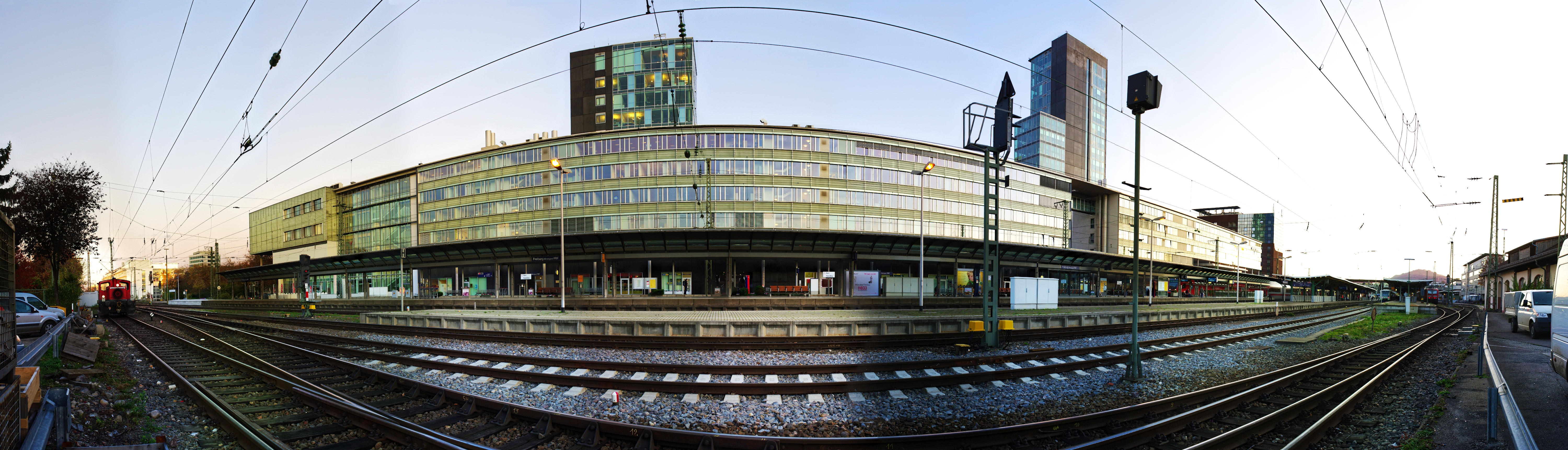
Throughout its history, Fribourg has been a coveted prize for various European powers. It changed hands multiple times, reflecting the tumultuous dynamics of the region during the Middle Ages. In the mid-15th century, the locals rallied to defend their independence, ultimately joining the Swiss Confederation in 1481. This affiliation marked a significant turning point, solidifying Fribourg's status as a free and autonomous city, while also enriching its cultural and political landscape.
Art and Architecture
The architectural charm of Fribourg is undeniable, with its historic buildings showcasing a blend of Gothic and Baroque styles. The Cathedral of St. Nicholas, with its remarkable spire reaching 80 meters high, is a stunning example of Gothic architecture and serves as a symbol of the city. Construction began in 1283, and it wasn't completed until the 19th century, reflecting the city's long history.
Wander through the narrow cobblestone streets of the Old Town, and you’ll encounter an array of beautifully preserved buildings adorned with frescoes and intricate woodwork. The Zähringer Bridge, an engineering marvel built in 1898, offers breathtaking views of the river and the surrounding landscape. Fribourg is also home to a thriving artistic community, with numerous galleries and studios showcasing contemporary Swiss art.
Local Culture and Traditions
Fribourg's cultural significance is amplified by its rich traditions and festivals. The Fête de la Saint-Nicolas, celebrated in December, draws both locals and visitors who gather to enjoy parades, music, and festive cheer. Meanwhile, the Freiburger Fasnacht, a lively carnival held every February, showcases vibrant costumes and parading bands, embodying the city's spirited community.
The biannual Fribourg International Film Festival attracts cinephiles from around the world, featuring a selection of indie films and documentaries that highlight contemporary issues and artistic expressions. This event not only celebrates cinema but also cultivates dialogue around cultural themes relevant to Fribourg's diverse populace.
Gastronomy
The culinary scene in Fribourg is as diverse as its language. Local specialties include the celebrated Fribourg fondue, a rich dish made with a blend of Swiss cheeses like Gruyère and Vacherin. Enjoy it in a cozy restaurant while dipping pieces of crusty bread into the bubbling pot.
Another local delicacy is Älplermagronen, a hearty dish combining pasta, potatoes, cream, and cheese, reflecting the region's agricultural roots. Pair your meal with a glass of Freiburger wine, produced in the nearby vineyards, particularly the Chasselas and Pinot Noir varieties that flourish in the local climate.
Lesser-known Curiosities
Fribourg holds many surprises for those willing to explore beyond the main attractions. One such gem is the Bishop’s Palace, a lesser-visited site that offers a glimpse into the city’s ecclesiastical history. The palace's gardens provide a peaceful retreat, featuring a stunning view of the cathedral and the surrounding hills.
Additionally, the Fribourg University, established in 1889, is Switzerland's only bilingual university and plays a pivotal role in promoting the city's bilingual culture. Its diverse student body contributes to the vibrant atmosphere, making Fribourg an educational hub.
Practical Visitor Information
The best time to visit Fribourg is during the spring and early autumn months, when the weather is mild and conducive for exploring. Summer brings lively outdoor events, while winter offers the charm of festive markets.
For a rewarding experience, don’t miss a stroll along the Sarine River, where you can enjoy scenic views and perhaps catch a glimpse of local wildlife. Be sure to explore both sides of the river to appreciate the distinct cultural nuances that each offers.
As you plan your visit, consider utilizing the Secret World app to create a personalized itinerary that highlights the hidden treasures of Friburgo in Brisgovia.


