



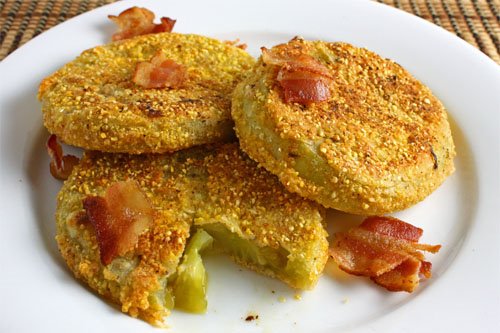
In the heart of Alabama, a dish as tangy and vibrant as its history captures the essence of the region—fried green tomatoes. This culinary delight, a staple of Southern cuisine, is more than just a dish; it's a testament to the state's rich cultural tapestry and its evolution over centuries.
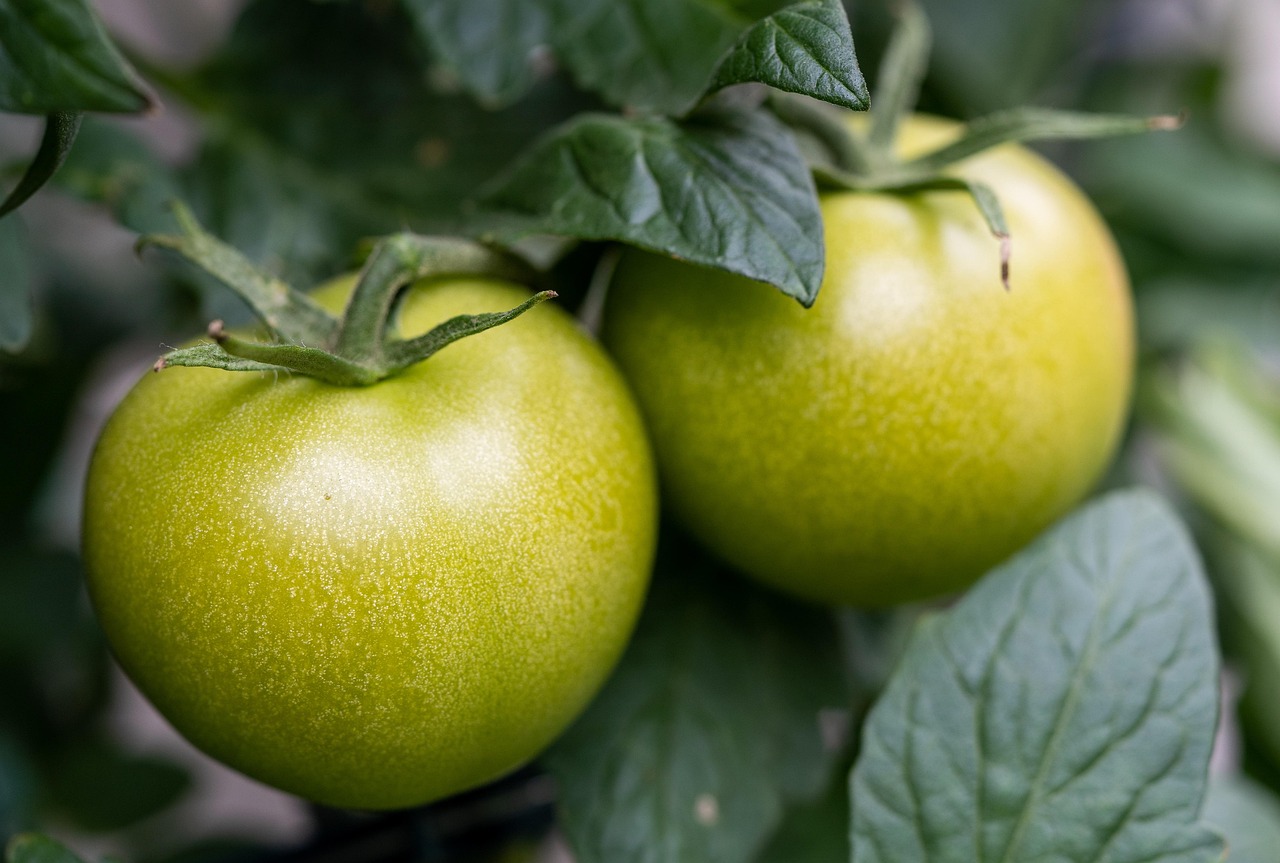
The origins of fried green tomatoes are somewhat shrouded in mystery, yet they undeniably reflect the agricultural heritage of the American South. Historically, Alabama's fertile lands, with their long growing seasons, have been ideal for cultivating a variety of crops, including the beloved tomato. While the dish itself gained widespread popularity in the early 20th century, thanks in part to Fannie Flagg's 1987 novel "Fried Green Tomatoes at the Whistle Stop Cafe," there is evidence to suggest that frying green tomatoes was a common practice in Southern kitchens long before its literary fame. This method of cooking was a practical solution for using unripe tomatoes before the first frost, ensuring nothing went to waste.
Alabama's landscape is dotted with historical architecture that tells the story of its past. From the antebellum homes in Montgomery to the Victorian structures in Mobile, the state's buildings echo its complex history. While fried green tomatoes do not have a direct architectural connection, they are often found in the kitchens of these historic homes, prepared with love on cast iron skillets, much like the ones used by generations of Southern families.
The cultural fabric of Alabama is woven with traditions that celebrate its diverse heritage. Festivals such as the National Shrimp Festival in Gulf Shores and the Alabama Jubilee Hot Air Balloon Classic in Decatur highlight the state's vibrant spirit. While not officially celebrated in a festival, fried green tomatoes are a common sight at local gatherings and family reunions, where they are served alongside other Southern staples like cornbread and collard greens.
Alabama's gastronomy is a flavorful journey through the Deep South. Beyond fried green tomatoes, visitors are treated to a plethora of dishes that speak to the state's culinary diversity. Barbecue is a cornerstone of Alabama's food culture, with each region offering its unique spin, from the tangy white sauce of North Alabama to the smoky ribs of Birmingham. Gumbo, jambalaya, and catfish also feature prominently, each dish telling its own story of cultural fusion and adaptation.
For those eager to delve deeper into the world of fried green tomatoes, there are lesser-known curiosities to explore. Did you know that the dish's resurgence in popularity during the late 20th century was partly fueled by the movie adaptation of Fannie Flagg's novel? The film, shot in Juliette, Georgia—standing in for fictional Whistle Stop, Alabama—brought the dish back into the spotlight, sparking a renewed interest in Southern cooking across the nation.
For travelers planning a visit, Alabama welcomes guests year-round, though the best time to experience its full culinary and cultural offerings is in the spring or fall. The mild weather during these seasons makes it ideal for exploring both outdoor activities and the bustling farmers' markets where you can often find fresh, green tomatoes ripe for frying. When in Birmingham, a stop at the Irondale Cafe, purported to be the inspiration for the Whistle Stop Café, is a must. Here, you can savor authentic fried green tomatoes that encapsulate the essence of Southern hospitality.
In conclusion, fried green tomatoes are not just a dish but a gateway into Alabama's rich history and culture. Whether enjoyed at a local diner or prepared at home, they offer a taste of the past and a reminder of the state's enduring culinary traditions. As you explore Alabama, let the flavors guide you through its storied past and vibrant present, one delicious bite at a time.
