
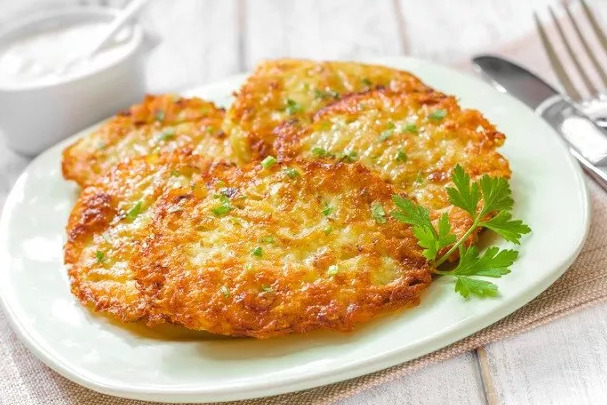

Nestled in the mountainous region of Friuli Venezia Giulia, Frico Friulano is more than just a dish; it embodies the rich history and culture of this beautiful Italian locale. This beloved potato pie has deep roots that trace back centuries, offering a glimpse into the lives of the people who have called this region home. The dish's origins are intertwined with the agricultural practices of the past, where simple ingredients like potatoes, onions, and Montasio cheese were transformed into a hearty meal, perfect for warming up after a long day in the fields.
Historically, Friuli has been a crossroads of various cultures due to its strategic location between the Alps and the Adriatic Sea. The area was influenced by Roman settlers, and later, it became part of the Venetian Republic. The simplicity and frugality of Frico reflect a rural lifestyle that values resourcefulness, as it was traditionally made by reusing leftover ingredients.
Architecturally, Friuli showcases a blend of styles, from Venetian Gothic to Austrian Baroque. The charming town of Cividale del Friuli, a UNESCO World Heritage site, is home to notable structures like the Longobard Temple, which dates back to the 8th century. The interplay of historical influences is also evident in local artwork, with pieces celebrating both the natural beauty of the landscape and the cultural heritage of the region.
Local culture in Friuli is vibrant and steeped in tradition. The Festa del Frico, celebrated annually in various villages, pays homage to this iconic dish. During the festival, locals gather to share different versions of frico, showcasing both the soft and crunchy varieties. This event not only highlights Friuli’s culinary prowess but also fosters a sense of community and pride in local customs.
Culinary traditions in Friuli extend beyond frico. The region is known for its prosciutto di San Daniele, a dry-cured ham, and Schioppettino, a unique red wine variety. These local delicacies often accompany frico, creating a rich tapestry of flavors that reflect the land's agricultural bounty. The recommended way to enjoy frico is hot, paired with creamy polenta, creating a perfect balance of textures and tastes.
For curious travelers, a little-known fact about frico is its versatility. While most people associate it with potatoes, variations exist that include cabbage or spinach, showcasing the adaptability of traditional recipes. Additionally, it’s said that the crunchier version of frico is often made during colder months, while the softer version is preferred in the summer, making it a year-round staple.
The best time to visit Friuli for an authentic frico experience is during the late summer to early autumn, when local ingredients are at their peak. The Festa del Frico typically occurs in September, offering a chance to partake in the festivities and savor the dish in its many forms. For those looking to delve deeper into the culinary scene, consider joining a cooking class that focuses on traditional Friulian recipes, where you can learn to make frico from scratch under the guidance of local chefs.
When visiting Friuli, take the opportunity to explore the stunning landscapes of the Julian Alps and the Collio wine region, known for its picturesque vineyards and charming villages. Don’t miss the chance to wander through the medieval streets of Cividale and indulge in tastings of local wines and cheeses.
In conclusion, Frico Friulano is not just a dish but a true representation of the spirit of Friuli. Its rich history, cultural significance, and delightful flavors make it a must-try for any visitor to this enchanting region. Embrace the opportunity to experience the warmth and hospitality of Friulian culture, and let the flavors of frico linger in your memory long after your visit.
For a personalized itinerary that captures the essence of Friuli and its culinary treasures, consider using the Secret World app.


