
← Back

Fumalbo, the village of the Celts

41022 Fiumalbo MO, Italia ★★★★☆ 630 views
Simona Bertoli
Fiumalbo
🏆 AI Trip Planner 2026

Get the free app

Discover the best of Fiumalbo with Secret World — the AI trip planner with 1M+ destinations. Get personalized itineraries, hidden gems and local tips. Free on iOS & Android.

🧠 AI Itineraries 🎒 Trip Toolkit 🎮 KnowWhere Game 🎧 Audio Guides 📹 Videos
Download on the App Store Get it on Google Play
Scan to download Scan to download

Villages · Fiumalbo

Fumalbo, the village of the Celts - Fiumalbo | Secret World Trip Planner

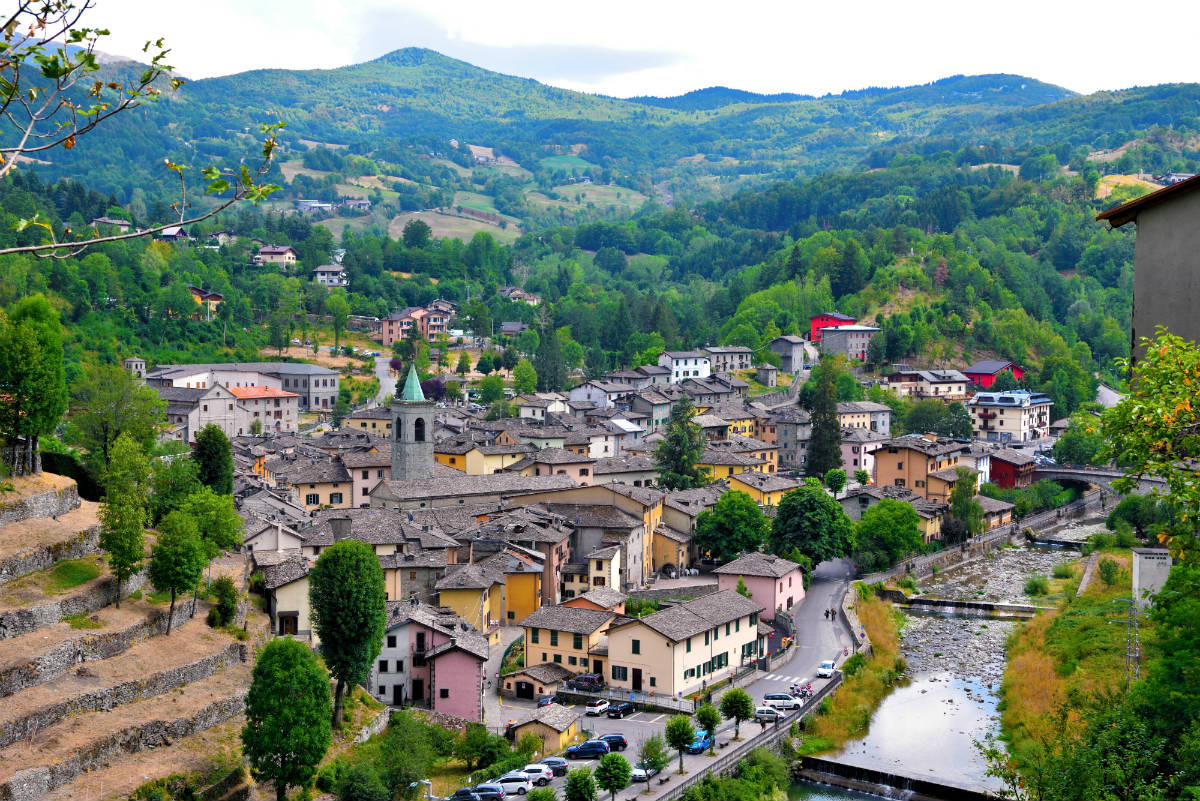
We are in the province of Modena, on the border with Tuscany, immersed in the green Frignano Park. Here, at the foot of Mount Cimone, among ancient stone houses with medieval architecture and characteristic Celtic villages, is the small village of Fiumalbo, also known as 'the village of the Celts', because of the influences of the people in the area who left huts that can still be visited. The history of this small town can be measured in the paths, mule tracks and ancient mountain roads that have always connected the Po Valley to the Tyrrhenian coast through the Apennines. An area of passage whose population during the Roman age, but also before - think of the Celtic occupation - must have been very fluid. The first settlements date back to the Liguri Friniati, who took refuge here around 175 B.C. after being defeated by Consul Marcus Claudius Marcellus, but the first real news of the village dates back to 1038 A.D., when Marquis Boniface, father of the famous Matilda of Canossa, donated the "Fortress called Fiumalbo" to the Bishop of Modena. From what we know, and from the remains still preserved today, the village was then composed of a fortress marked by three towers, the ancient church of San Bartolomeo, a small fortified village and a monumental gateway. Remained in the orbit of the duchy of Este, Fiumalbo maintained for centuries the isolated character typical of any other mountain village, marking a first and true development during the 1600s and later in the Modern Age following the great reconstruction occurred after the terrible earthquake that had destroyed part of the town in 1920. This village is a perfect place to discover even in summer for hiking through forests of fir and beech.

🗺 AI Trip Planner

Plan your visit to Fiumalbo

Suggested itinerary near Fumalbo, the village of the Celts

MAJ+
500.000+ travelers worldwide
  1. 🌅
    Morning
    Fumalbo, the village of the Celts
    📍 Fiumalbo
  2. ☀️
    Afternoon
    Dardagna waterfalls
    📍 13.8 km · Fiumalbo
  3. 🌆
    Evening
    Barga: Church of Saint Elizabeth of Hungary
    📍 14.1 km · Fiumalbo

Buy Unique Travel Experiences

Powered by Viator

See more on Viator.com

Explore nearby · Fiumalbo

Frequently Asked Questions

Fiumalbo earned this nickname because of the significant Celtic influence in the area, with ancient Celtic huts still visible and visitable today. The village's archaeological heritage reflects the Celtic occupation and settlement patterns that shaped the region before Roman times.
The earliest settlements in Fiumalbo date back to the Liguri Friniati around 175 B.C., but the village's documented history begins in 1038 A.D. when Marquis Boniface donated the fortress to the Bishop of Modena. The village was originally fortified with three towers, a church, and a monumental gateway, and experienced major reconstruction after a devastating 1920 earthquake.
Visitors can explore medieval stone houses with characteristic Celtic village architecture, hike through forests of fir and beech trees in the surrounding Frignano Park, and visit remnants of the ancient fortress and the historic church of San Bartolomeo. The village is ideal for summer hiking and discovering the ancient mule tracks that once connected the Po Valley to the Tyrrhenian coast.
Fiumalbo is a small village in the province of Modena on the border with Tuscany, situated at the foot of Mount Cimone within the green Frignano Park. It's accessible via mountain roads that have connected the Apennine region for centuries, making it an ideal destination for those exploring the historic passes between the Po Valley and Tuscany.
Summer is an excellent time to visit Fiumalbo for hiking through the surrounding forests of fir and beech trees in the Frignano Park. The temperate mountain climate during warmer months makes it perfect for exploring both the village's medieval architecture and the extensive network of ancient mountain paths in the area.
