
← Back

Gandantegchinlen Monastery, Ulaanbaatar, Mongolia

Ulan Bator 16040, Mongolia ★★★★☆ 146,158 views
Lana De Blase
Ulan Bator
🏆 AI Trip Planner 2026

Get the free app

Discover the best of Ulan Bator with Secret World — the AI trip planner with 1M+ destinations. Get personalized itineraries, hidden gems and local tips. Free on iOS & Android.

🧠 AI Itineraries 🎒 Trip Toolkit 🎮 KnowWhere Game 🎧 Audio Guides 📹 Videos
Scan to download iOS / Android
Scan for AppGallery Huawei users

About Gandantegchinlen Monastery, Ulaanbaatar, Mongolia

Gandantegchinlen Monastery, Ulaanbaatar, Mongolia - Ulan Bator | Secret World Trip Planner

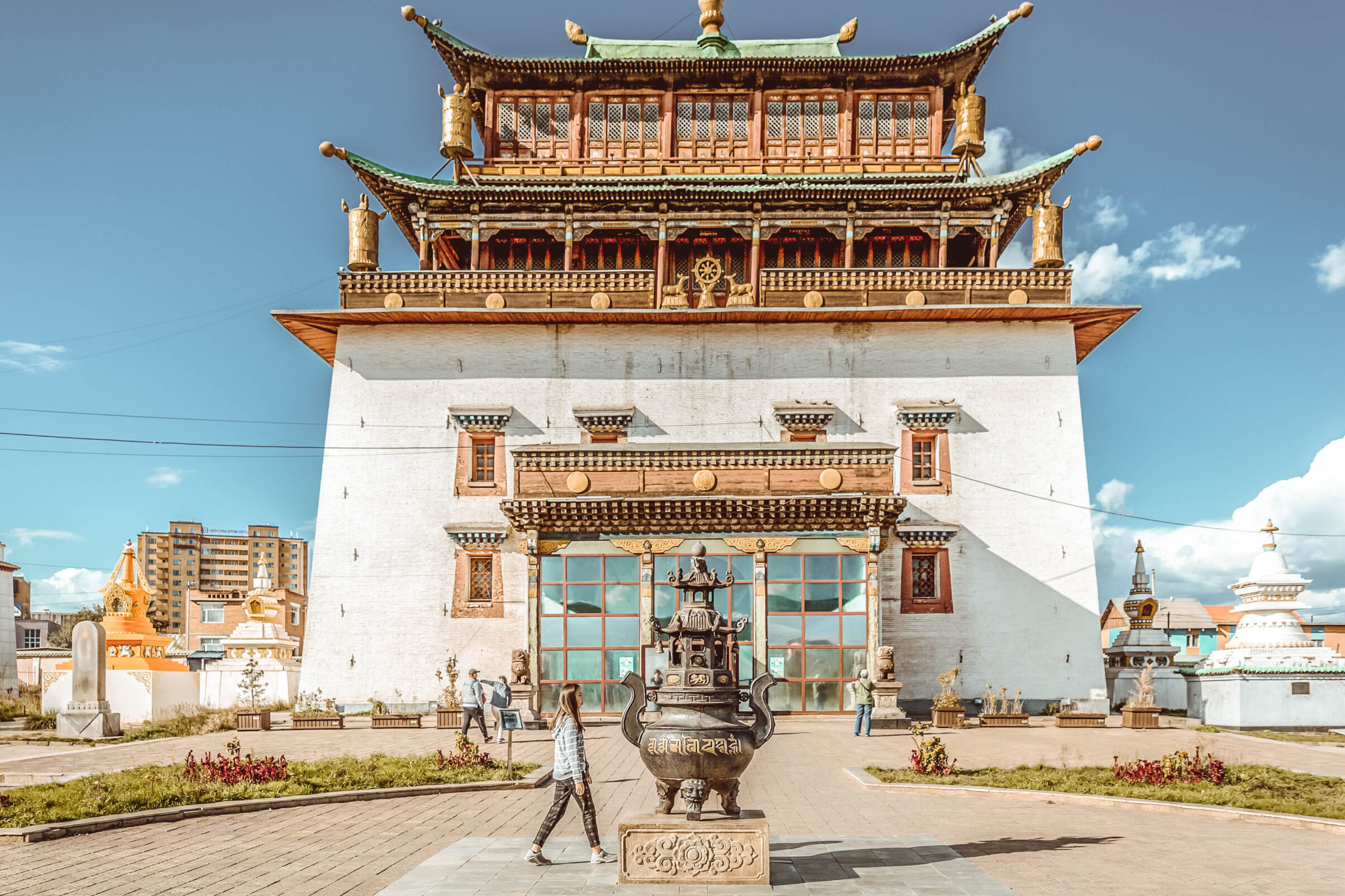
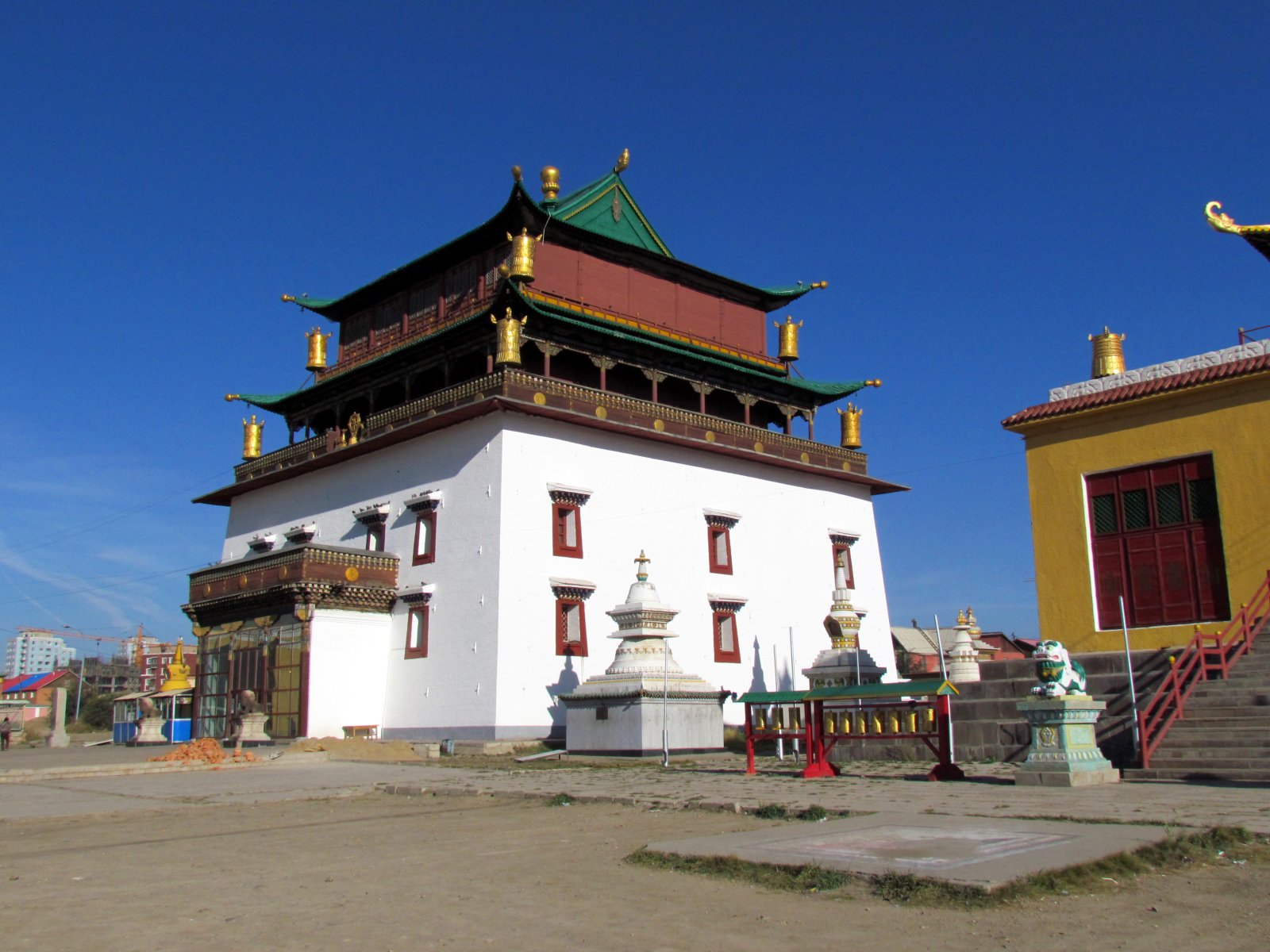
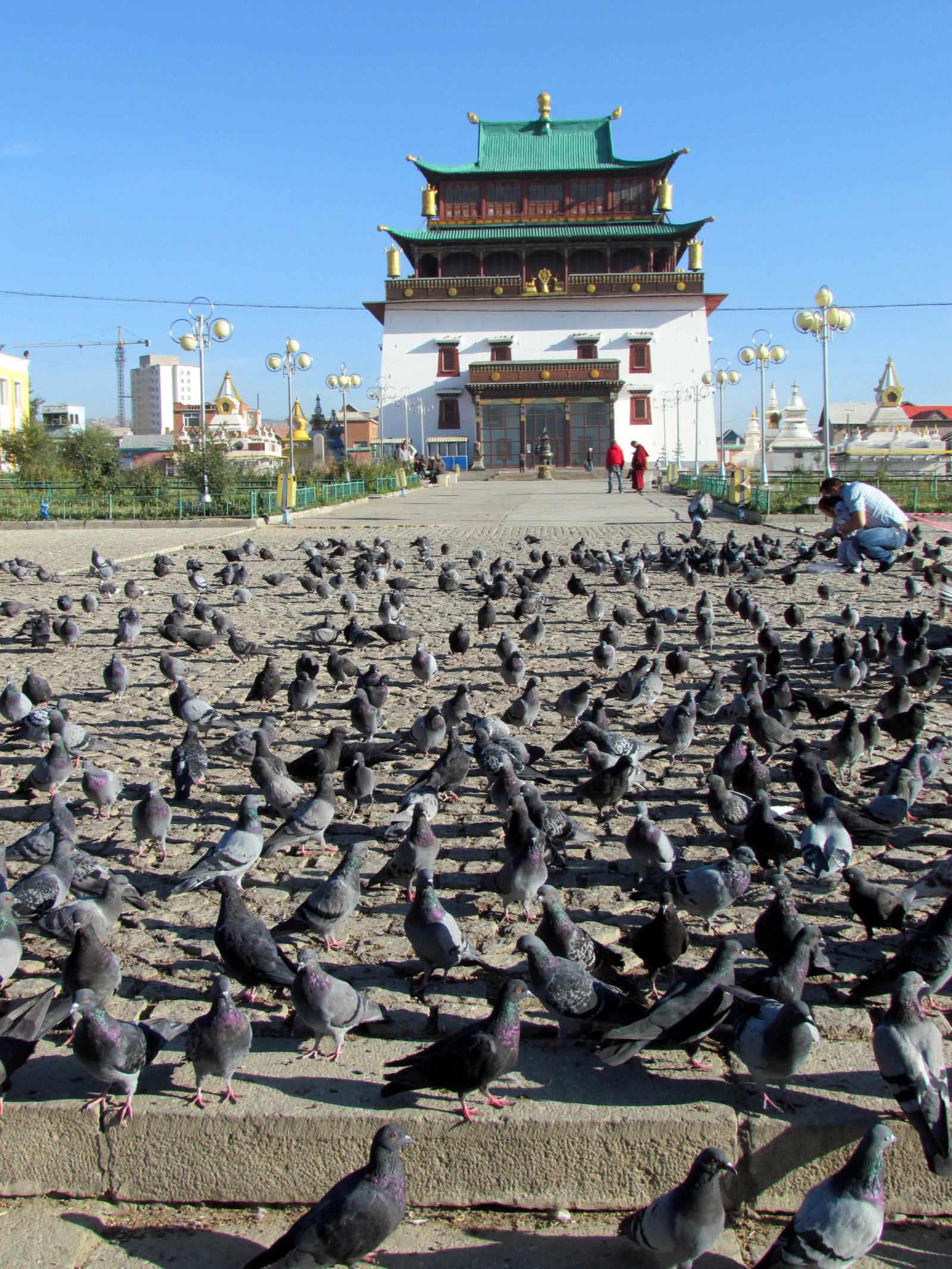
Gandan Monastery is a Tibetan-style Buddhist Monastery. Its name means ”the big place of complete joy”. Nowadays, many hundreds of monks live there. It houses a 26,5-metres (87 feet) high statue of Megjid-Janraiseg. Megjid-Janraiseg is a bodhisattva, a sage who leads the men on the way of Truth. He represents compassion. The fifth Javzandamba, who was the highest lama in the hierarchy of the Mongolian clergy, created this monastery in 1809 under the name of Shar sum (“the yellow monastery”). It was located in the centre of Ulan-Bator. In 1838, it was moved at his current location on Dalkha Hill, and took its current name. Then it became the main religious centre of Tantric Buddhism in Mongolia, and many schools (Buddhism, astrology, medicine) were created as the time went by. In the 1930s, the communist system of Mongolia, under the insistent pressure of Staline, led to the destruction of more than 900 monasteries and to the slaughter of more than 10.000 Buddhist lamas, but Gandantegchinlen monastery was one of the few monasteries that avoided its own destruction. It was closed in 1938 and five temples of the monastery were destroyed. The other ones were used as places for welcoming the Russian officials or as cowsheds. In 1944, after a petition signed by many lamas, the monastery opened again and was even allowed to work as a Buddhist monastery, but with a small number of lamas and under the strict control of the communists. The fall of the communist system in 1990 in Mongolia led to the end of the restrictions of cult and allowed the monastery resuming its activity. Gandan Monastery started an ambitious program of restoration of the cult all across the country. Today, there are ten active datsans and temples inside the monastery, where about 900 lamas live.
Gandantegchinlen Monastery, Ulaanbaatar, Mongolia - Ulan Bator | Secret World Trip Planner
🗺 AI Trip Planner 2026

Plan your visit to Ulan Bator

Suggested itinerary near Gandantegchinlen Monastery, Ulaanbaatar, Mongolia

MAJ+
500.000+ travelers worldwide
  1. 🌅
    Morning
    Gandantegchinlen Monastery, Ulaanbaatar, Mongolia
    📍 Ulan Bator
  2. ☀️
    Afternoon
    Gandantegchinlen Monastery
    📍 0.2 km · Ulan Bator

Buy Unique Travel Experiences

Powered by Viator

See more on Viator.com

Explore nearby · Ulan Bator

Frequently Asked Questions

The monastery houses a 26.5-metre (87 feet) high statue of Megjid-Janraiseg, a bodhisattva representing compassion who guides people on the path of Truth. This impressive golden statue is one of the most iconic features of the monastery and a must-see for visitors.
The monastery was founded in 1809 by the fifth Javzandamba under the name Shar sum and relocated to Dalkha Hill in 1838, becoming the main religious centre of Tantric Buddhism in Mongolia. It is historically significant because it was one of the few monasteries that survived the communist purges of the 1930s when over 900 monasteries were destroyed.
Today, approximately 900 lamas live at the monastery across ten active datsans and temples. This represents a major revival following the fall of the communist system in 1990, which had severely restricted monastic life for decades.
The monastery was closed in 1938 and five of its temples were destroyed during Stalin's communist purges. It reopened in 1944 after lamas petitioned the government, but remained under strict communist control with only a small number of monks allowed until restrictions ended in 1990.
Over time, the monastery established several schools dedicated to Buddhism, astrology, and traditional medicine as part of its spiritual and educational mission. These institutions continue to operate within the monastery complex alongside the ten active temples and datsans.