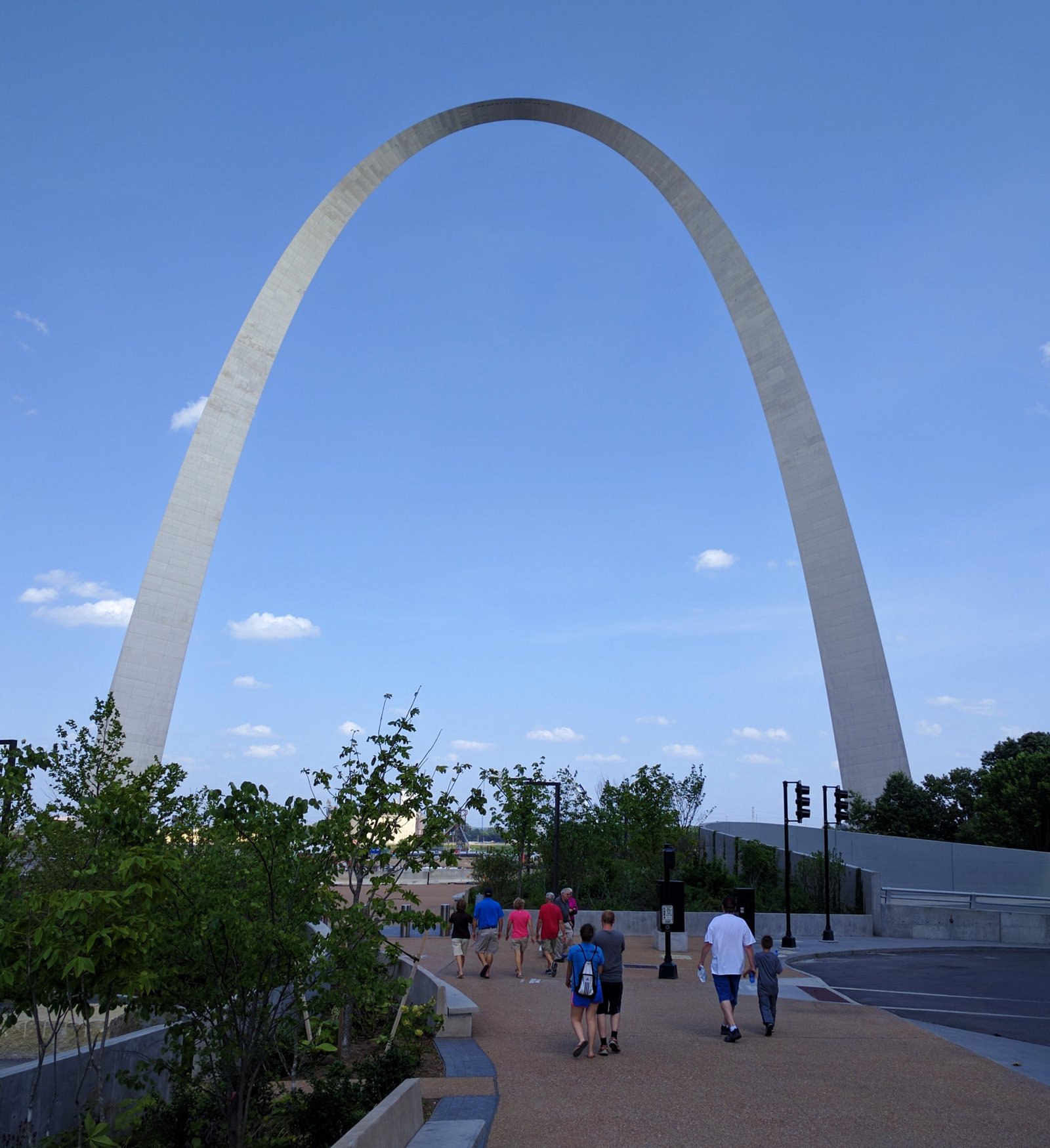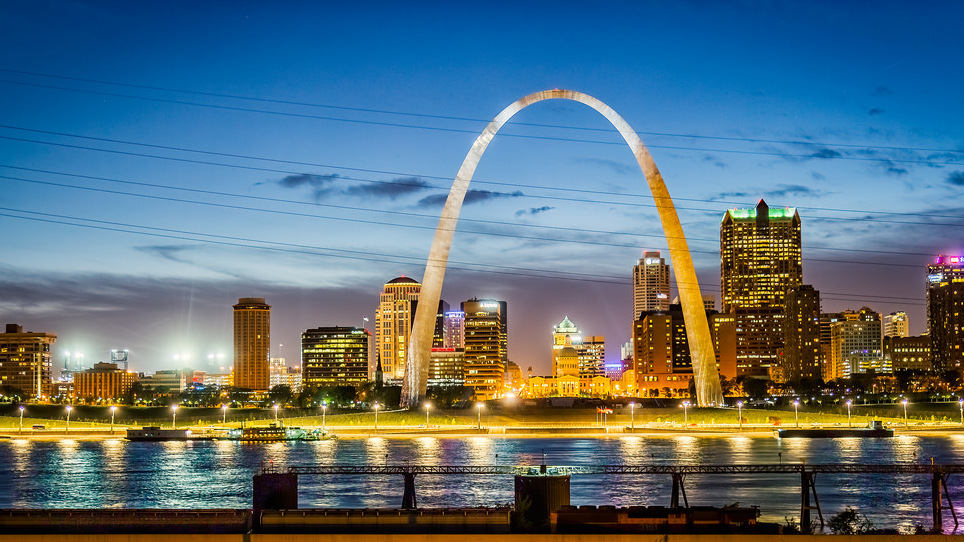

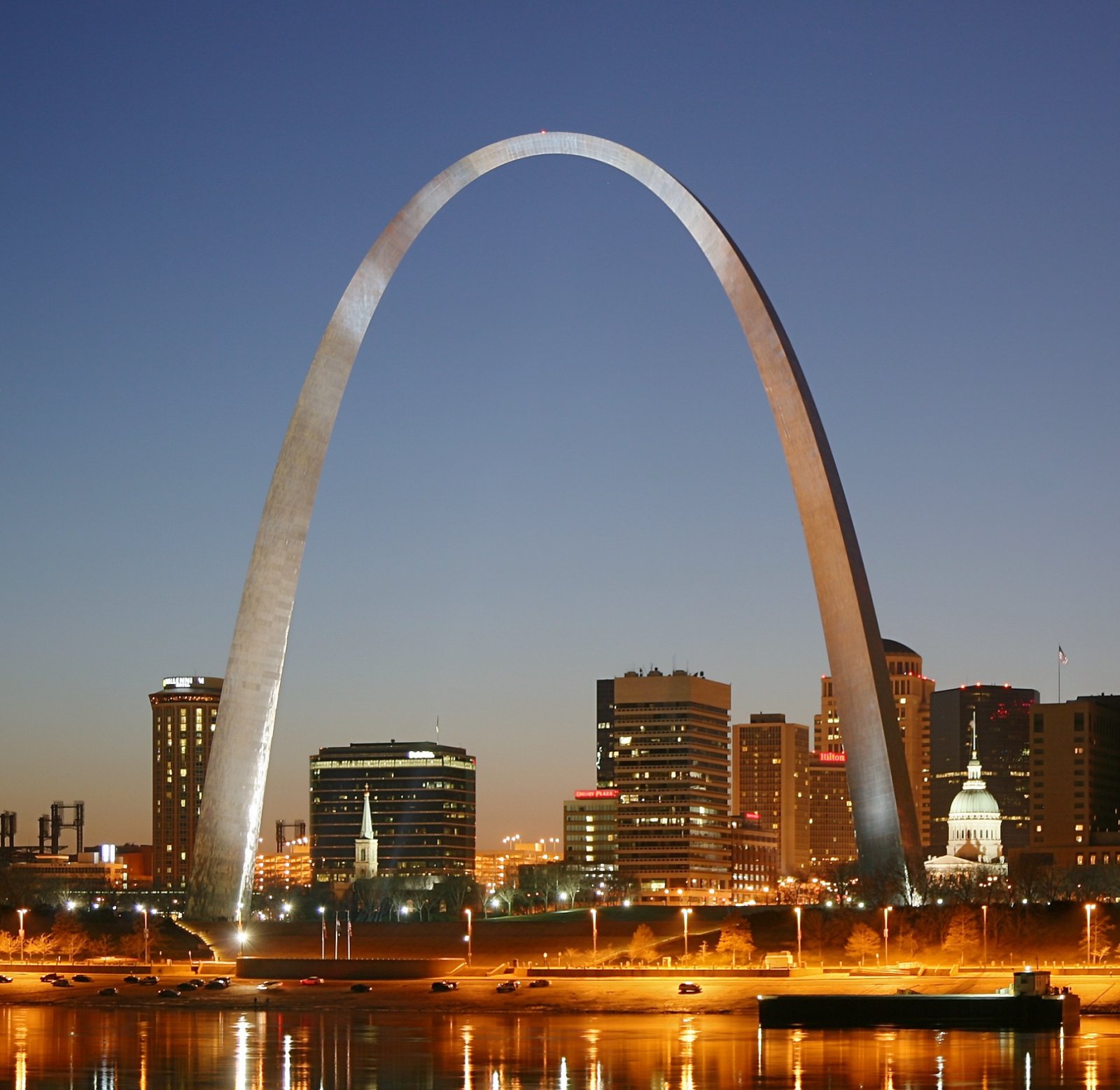
Standing majestically against the skyline of St. Louis, the Gateway Arch is not just the tallest arch monument in the United States; it is a powerful emblem of the nation’s westward expansion. Opened to the public in 1967, the arch serves as a tribute to the pioneers who ventured into the uncharted territories of the West, forever changing the fabric of American culture and history. Designed by the renowned Finnish-American architect Eero Saarinen, this iconic structure rises to a height of 630 feet and draws approximately 4 million visitors each year, eager to explore both its symbolic significance and architectural grandeur. Its location at Coordinates 38.624691, -90.1847763 along the banks of the Mississippi River makes it a focal point for both tourists and locals alike.
### History and Origins The story of the Gateway Arch is deeply intertwined with the Louisiana Purchase of 1803, when the United States acquired vast territories from France, setting the stage for a massive westward migration. The arch was conceived in 1947 as part of a broader plan to commemorate this monumental event and to honor the pioneers who ventured forth into the American frontier. Groundbreaking commenced in 1963, and the structure was completed in 1965, a remarkable feat achieved with 142 sections of pre-fabricated steel, each measuring 12 feet long. The arch was officially dedicated on October 28, 1965, a fitting tribute to the anniversary of the founding of St. Louis.
### Art and Architecture Saarinen's design of the arch is celebrated for its Modernist architectural style, characterized by clean lines and a minimalist aesthetic. The parabolic shape of the arch not only reflects the natural beauty of the surrounding landscape but also symbolizes the spirit of exploration and growth. A notable feature of the arch is its hollow interior, which houses a unique tram system, allowing visitors to ascend to the observation deck located at the top. This deck can accommodate up to 160 visitors at a time, offering breathtaking views that stretch up to 30 miles in every direction. The interior walls feature decorative mosaics and exhibits that narrate the history of the Louisiana Purchase, enhancing the overall visitor experience.
### Local Culture and Traditions The culture of St. Louis is rich and diverse, heavily influenced by its history as a gateway to the West. The city hosts numerous festivals throughout the year, including the St. Louis Mardi Gras, one of the largest in the nation, which celebrates the vibrant spirit of the city with parades, music, and local delicacies. The Great Forest Park Balloon Race and the St. Louis Art Fair also showcase the community's dedication to art, food, and outdoor activities. Local customs often revolve around the city's unique blend of Midwestern hospitality and Southern charm, reflected in its welcoming spirit.
### Gastronomy No visit to St. Louis would be complete without indulging in its distinctive gastronomy. The city is known for its toasted ravioli, a delectable dish that consists of breaded and fried ravioli served with marinara sauce. St. Louis-style pizza, characterized by its thin crust and use of Provel cheese, is another local favorite. For those with a penchant for sweet treats, Gooey Butter Cake is a must-try dessert, offering a rich and buttery flavor that is hard to resist. To wash it all down, sample local brews from the many craft breweries in the area, or savor a glass of Missouri wine from the nearby Missouri wine country.
### Lesser-known Curiosities While the stunning views from the observation deck are a highlight, some lesser-known facts about the Gateway Arch intrigue visitors. For instance, the arch's design was selected from a competition that attracted over 900 submissions, with Saarinen's design being chosen for its innovative approach. Additionally, the arch has a unique sway; it can move up to 18 inches in high winds, a testament to its engineering brilliance. Beneath the arch, the Museum at the Gateway Arch offers interactive exhibits that delve into the stories of the pioneers, enriching the visitor experience beyond the structure itself.
### Practical Visitor Information The best time to visit the Gateway Arch is during spring and fall when the weather is mild and pleasant. Arriving early in the day can help avoid crowds, especially on weekends. Visitors should take the tram ride to the top to experience the stunning views, but booking tickets in advance is highly recommended to ensure availability. Don’t forget to explore the surrounding Jefferson National Expansion Memorial, which includes the museum and the stunning landscape along the Mississippi River.
Whether you're a history buff, an architecture enthusiast, or simply in search of stunning views, the Gateway Arch offers a unique glimpse into America’s story. Its towering presence not only marks a significant historical event but also serves as a reminder of the adventurous spirit that continues to define the nation.
To fully immerse yourself in the wonders of St. Louis, consider using the Secret World app to create a personalized itinerary tailored to your interests.