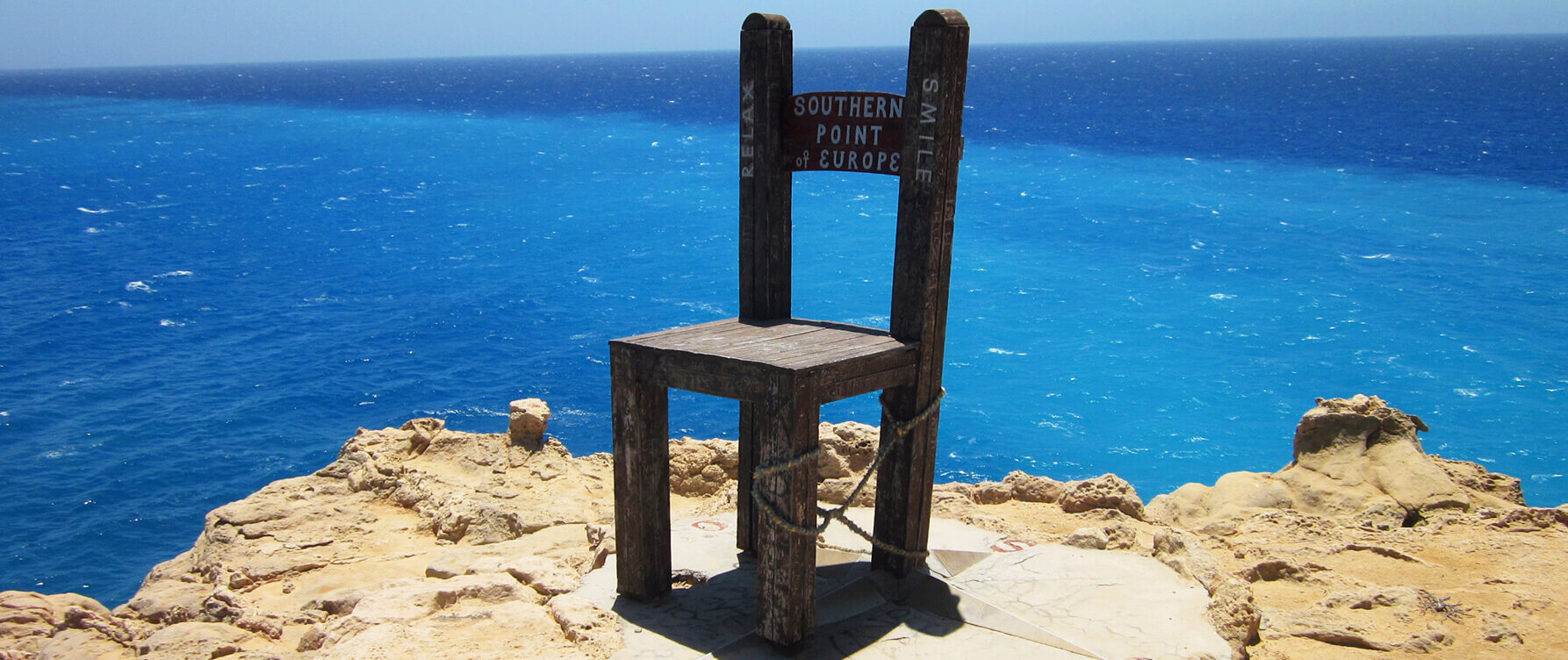

Tucked away in the azure waters of the Mediterranean, Gavdos is not just the southernmost inhabited place in Europe; it is a hidden treasure where the vibrant blue sky meets the rugged coastline. This quaint island, located 70 kilometers off the southern coast of Crete, is a world apart, steeped in history and brimming with natural beauty.
### History and Origins
Gavdos has a rich historical tapestry. Its origins can be traced back to ancient times, where it was mentioned in Homer's epics as “Ogygia, the island of Calypso,” where the nymph kept Odysseus captive. Archaeological evidence indicates that the island was inhabited during the Minoan period, around 2000 BCE, with remnants of ancient settlements scattered across its terrain.
Throughout its history, Gavdos has seen a variety of rulers, including the Venetians and the Ottomans. The island played a strategic role during the World War II, serving as a refuge for many fleeing from the fighting on Crete. The remnants of this turbulent past can still be felt in the island’s landscape and its stories, as locals recount tales of resilience and survival.
### Art and Architecture
The architecture of Gavdos is a blend of simplicity and functionality, reflecting the island's modest lifestyle. The capital, Kastri, features traditional Cretan stone houses, often adorned with vibrant bougainvillea, creating a picturesque setting against the backdrop of the sea. The most notable architectural feature is the island's old church of St. John, which showcases the classic Greek design with its whitewashed walls and blue domes, embodying the island's spiritual heritage.
Art on Gavdos is less about grandiose exhibitions and more about community expression. Local artisans often create handmade crafts, from woven textiles to pottery, each piece telling a story of the island's culture and traditions.
### Local Culture and Traditions
Gavdos is a melting pot of traditions, where customs are deeply rooted in the island's history. The locals celebrate various festivals, the most significant being the Feast of St. John in June, which involves traditional music, dance, and, of course, delicious food.
The island’s culture is characterized by a strong sense of community. Many residents engage in fishing, and their way of life is closely tied to the sea. Visitors might witness the locals performing their age-old fishing techniques, sharing stories that connect them to their ancestors.
### Gastronomy
The culinary scene on Gavdos is simple yet delightful, emphasizing fresh, local ingredients. One must try the island’s seafood, particularly the grilled fish caught that very day. The Cretan salad, featuring ripe tomatoes, cucumbers, olives, and local cheese, provides a refreshing complement to the island’s warm climate.
Don’t miss the chance to savor Cretan raki, a traditional spirit often served with meals. It embodies the island’s spirit of hospitality and is a common accompaniment at social gatherings. The local tavernas offer a unique dining experience, where the ambiance is as much a part of the meal as the food itself.
### Lesser-Known Curiosities
While the breathtaking beaches of Potamos and Sarakiniko are popular among visitors, Gavdos is also a sanctuary for migratory birds. The island, along with the nearby islet Gavdopoula, serves as a crucial stop for birds migrating between Africa and Europe. Enthusiasts may find themselves mesmerized by the diverse bird species that grace the skies.
Another intriguing fact is that Gavdos is home to the endangered Mediterranean monk seal and the loggerhead sea turtle. Conservation efforts are in place to protect these species, making the island a pivotal point for wildlife enthusiasts.
### Practical Visitor Information
The best time to visit Gavdos is during the summer months, particularly from June to September, when the island comes alive with visitors and activities. The mild climate and long sunny days provide the perfect backdrop for exploration.
For those planning to visit, it’s essential to be prepared for a rustic experience. The infrastructure is basic, with limited accommodations primarily centered around camping or small guesthouses. However, this simplicity is part of what makes Gavdos so unique.
When exploring, be sure to hike the coastal paths that offer stunning views of the sea and the surrounding landscape. Visiting the southernmost village of Vatsiana is a must, as it encapsulates the island's charm with its small community and serene atmosphere.
Gavdos is a destination that invites you to slow down and reconnect with nature, offering a refreshing escape from the chaos of modern life.
For a tailored itinerary that captures the essence of Kastri, Gavdos, consider using the Secret World app to plan your visit.
