



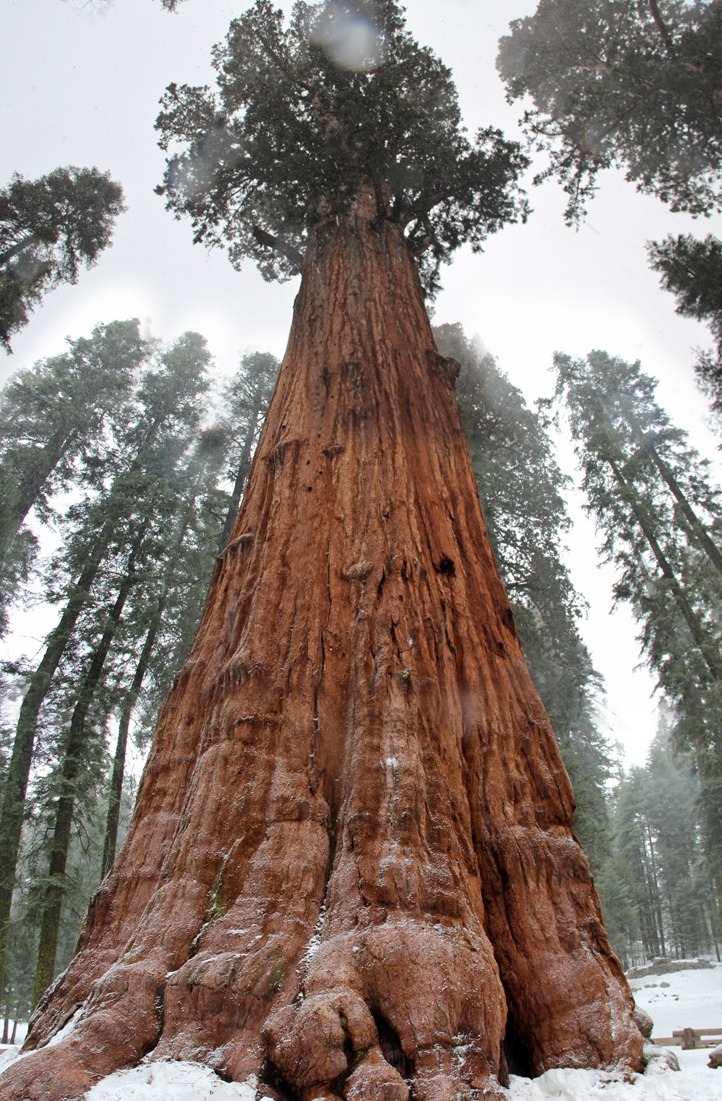
Standing tall amidst the rugged beauty of the Giant Forest in Sequoia National Park, General Sherman is more than just a tree; it is a living monument to nature’s grandeur and resilience. As the largest known living single-stem tree on Earth, this magnificent giant sequoia (Sequoiadendron giganteum) captures the imagination of all who venture to see it. Named after the American Civil War general William Tecumseh Sherman in 1879 by naturalist James Wolverton, who served under him, General Sherman has witnessed millennia of change, standing as a silent witness to the passage of time.
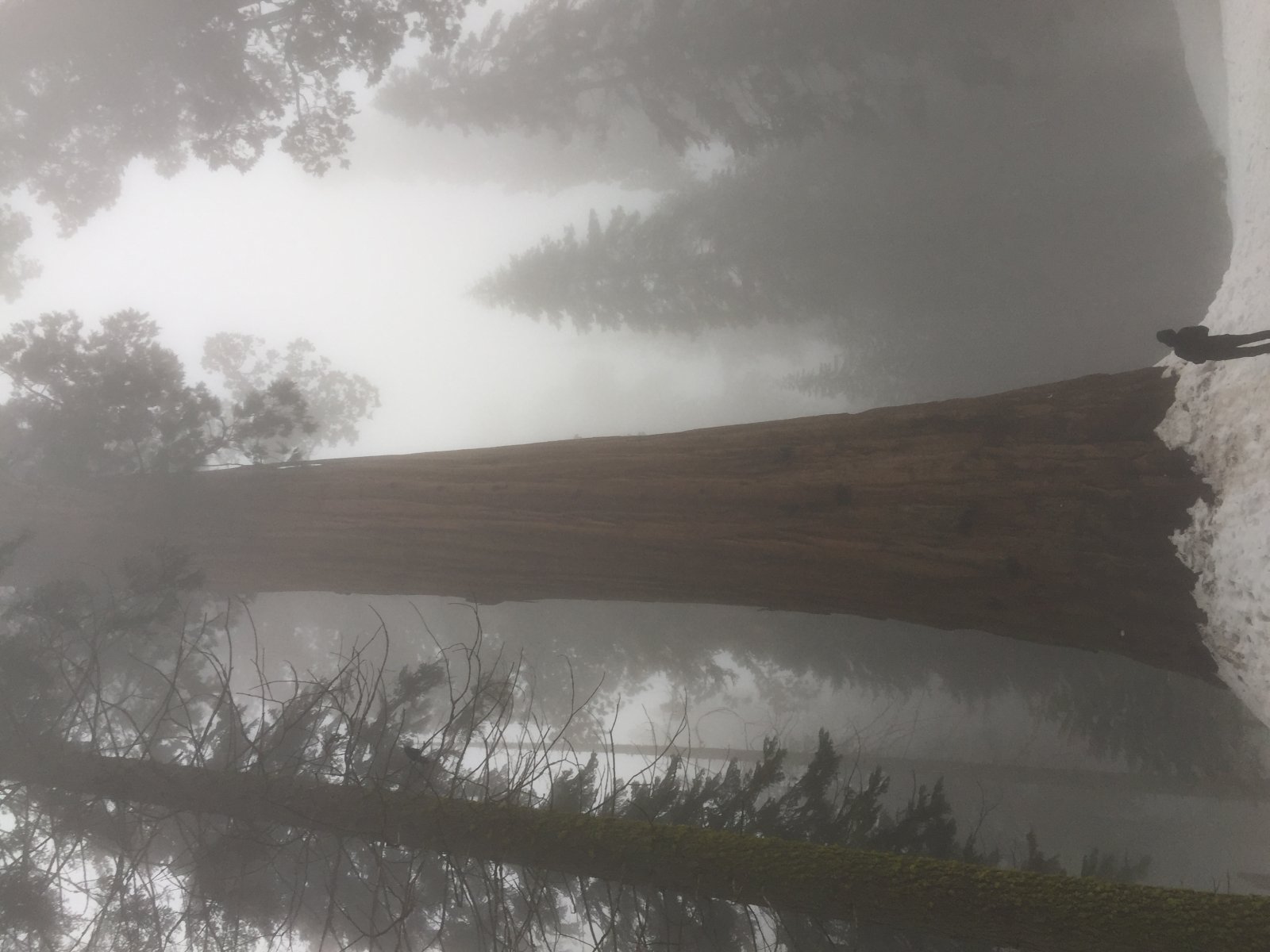
History and Origins The story of General Sherman is intertwined with the ancient history of the Sierra Nevada mountains. These majestic trees have thrived in the region's temperate climate for thousands of years, with some estimates placing the age of General Sherman at between 2,300 and 2,700 years. The area where it resides was originally home to the Yokuts people, who revered the trees and considered them sacred. It wasn’t until the late 19th century that the logging industry threatened these giants. In response, the establishment of Sequoia National Park in 1890 marked a significant turning point, preserving the natural wonder of the giant sequoias, including General Sherman.
Art and Architecture While General Sherman is not a man-made structure, it represents a form of natural artistry that has inspired countless works of art and literature. The architectural style of the surrounding Giant Forest complements the majestic trees, featuring rustic structures built from local materials that harmonize with the environment. Notably, Wawona Hotel and the Giant Forest Museum celebrate the artistry of preservation and interpretation of this natural wonder. Artists from John Muir to Ansel Adams have captured the awe of these trees, contributing to a rich tapestry of artistic expression that highlights the importance of conservation.
Local Culture and Traditions In Three Rivers, the gateway to Sequoia National Park, local customs revolve around the natural beauty and cultural significance of the giant sequoias. Festivals such as the annual Three Rivers Art Festival celebrate the connection between art and nature, bringing together local artisans and nature enthusiasts. The community fosters a culture of stewardship, encouraging visitors to respect and preserve the environment. Local storytelling often includes the rich history of the Yokuts and the enduring legacy of the giant sequoias, embedding a deep sense of place among residents and visitors alike.
Gastronomy The cuisine of Three Rivers reflects a blend of local ingredients and influences from the surrounding wilderness. Visitors can enjoy dishes featuring fresh produce from nearby farms, such as wild mushrooms, blackberries, and cherries. Local establishments often serve hearty meals that pay homage to the region's natural bounty. Pairing these meals with a glass of local wine or craft beer enhances the experience, as many wineries and breweries draw inspiration from the landscapes surrounding them.
Lesser-known Curiosities General Sherman is not just remarkable for its size; it holds several unique features that many visitors might miss. For instance, its massive trunk measures around 7.7 meters (25 feet) in diameter, but what’s fascinating is that the tree's bark, which can be up to 30 centimeters (12 inches) thick, is fire-resistant, a crucial adaptation that has helped it survive wildfires for centuries. Additionally, General Sherman’s massive crown is home to many bird species, contributing to the biodiversity of the forest. The tree’s sheer volume—estimated at 1,487 cubic meters (52,513 cubic feet)—is a reminder of the incredible power of nature.
Practical Visitor Information The best time to visit General Sherman is during the spring and fall months, when the weather is mild and the crowds are smaller. Summer draws many tourists, which can make the experience feel busy. When visiting, be sure to take advantage of the Giant Forest Museum, where you can learn more about the ecology and history of the area. A short, accessible trail leads directly to General Sherman, allowing visitors of all ages to marvel at its majesty. Remember to bring water, wear comfortable shoes, and take your time to soak in the wonders of this ancient giant.
Standing before General Sherman is more than witnessing a tree; it is experiencing a piece of living history that has withstood the test of time. To truly savor the wonders of this remarkable area, consider using the Secret World app to help plan your visit to Three Rivers.
