
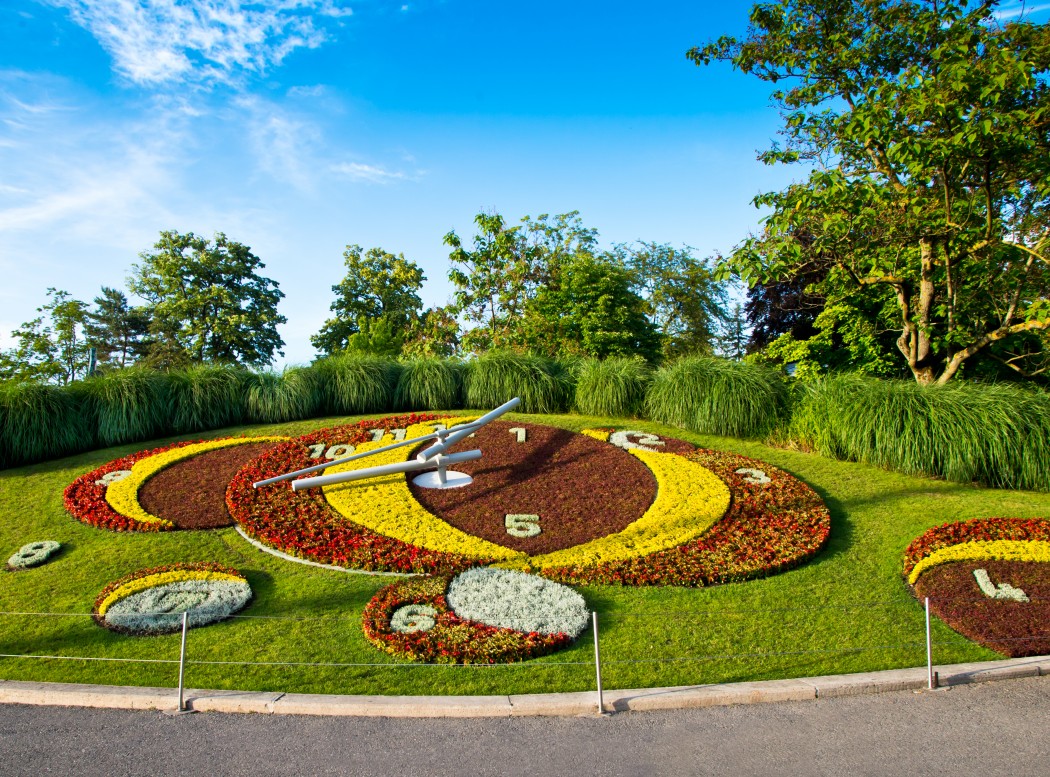

Nestled on the shores of Lake Geneva, Geneva is a city renowned for its rich history, stunning landscapes, and a unique blend of cultures. Among its many treasures, the Flower Clock, or L'horloge fleurie, stands as a vibrant symbol of the city’s exquisite watchmaking tradition and its dedication to horticultural artistry.
History and Origins The roots of Geneva trace back to Roman times, when it was known as Genava. Established as a settlement in the 1st century BC, it became a vital trade route connecting the north and south of Europe. This strategic position fueled its growth, and by the 16th century, Geneva had emerged as a center for the Protestant Reformation, thanks in large part to figures like John Calvin. The city's reputation for craftsmanship was further solidified during the 18th century, as watchmakers began to set up shop, creating intricate timepieces that garnered global acclaim.
The Flower Clock was inaugurated in 1955 as a tribute to this long-standing tradition of watchmaking. This remarkable creation is not just a clock but a living piece of art, showcasing the harmony between nature and human ingenuity.
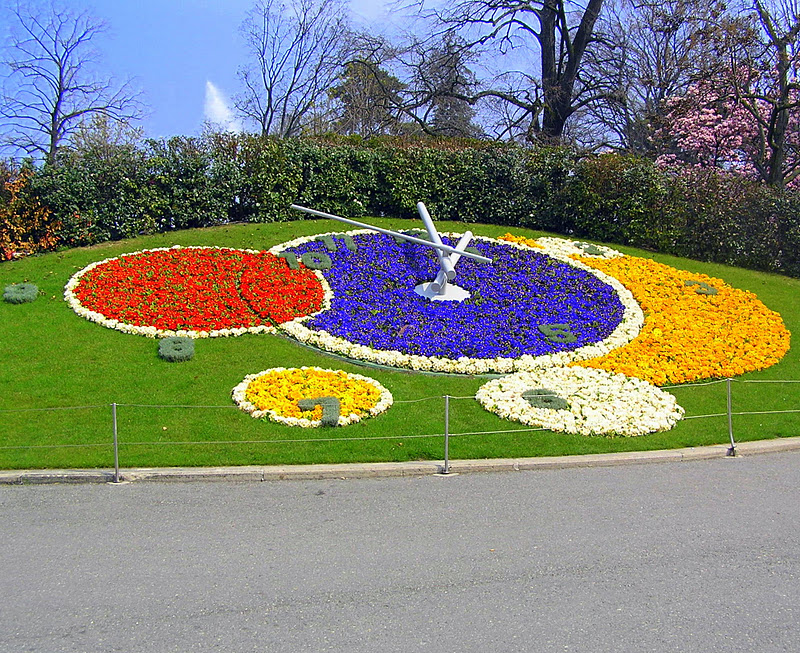
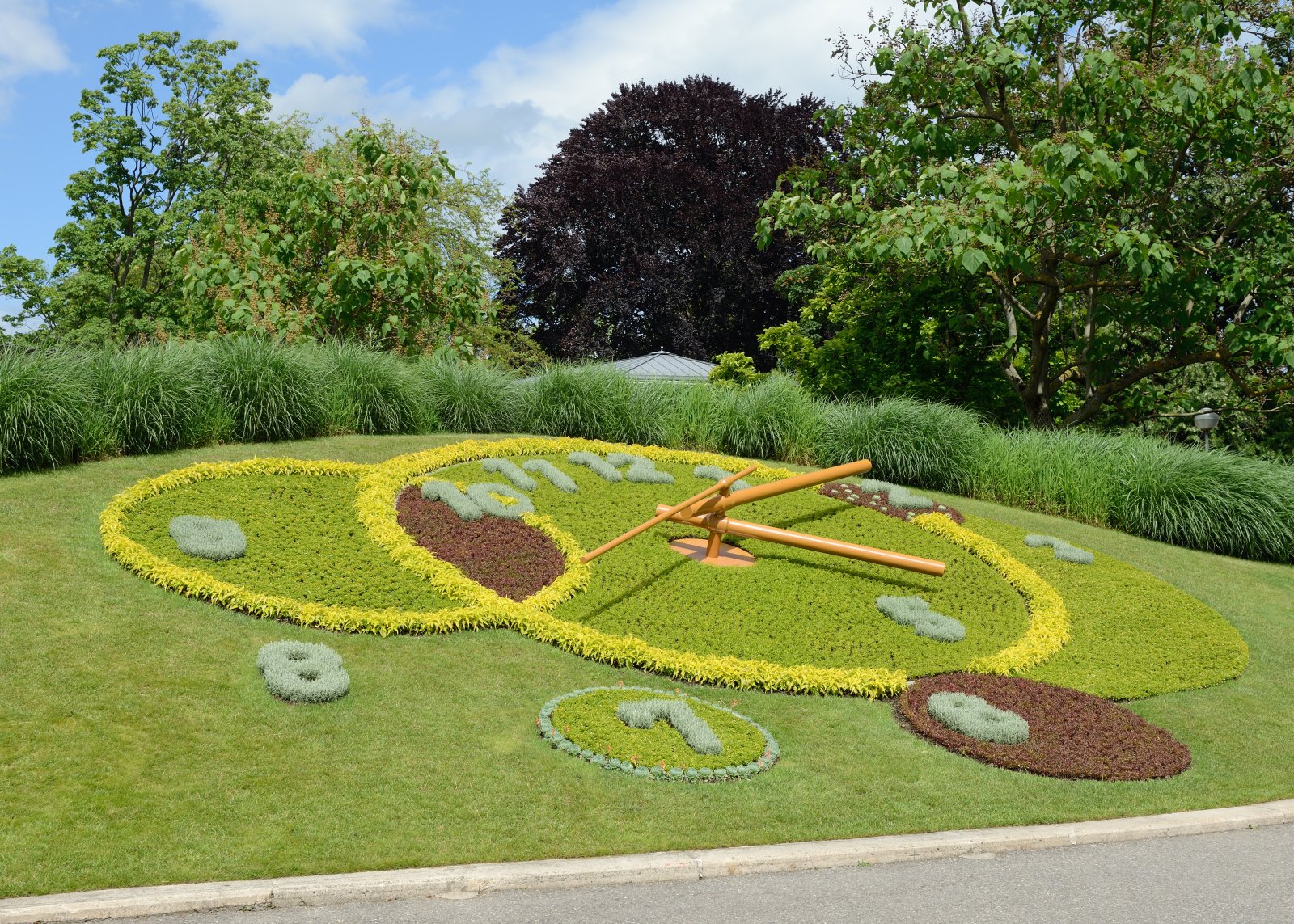
Art and Architecture Designed by Maurice Gourdault, the Flower Clock is an exquisite blend of vibrant flora and mechanical precision. The clock measures a staggering 5 meters in diameter, making it the largest of its kind in the world. The clock’s face is adorned with over 6,500 flowers, meticulously arranged to reflect the changing seasons. Each season brings a fresh palette, transforming the clock’s appearance and ensuring that it never looks the same twice.
The surrounding park, Jardin Anglais, enhances the clock's beauty, with its manicured lawns, serene pathways, and stunning views of Lake Geneva. The Jet d’Eau, a monumental fountain shooting water 140 meters into the air, provides a picturesque backdrop, making the clock a must-see for visitors.
Local Culture and Traditions In Geneva, the Flower Clock is more than a tourist attraction; it embodies the city’s commitment to nature and art. Local customs celebrate this harmony through various festivals, particularly during the Geneva International Flower and Garden Show, where artisans showcase their floral creativity and innovative gardening techniques.
Additionally, Geneva hosts a myriad of cultural events throughout the year, such as the Fête de l’Escalade in December, which commemorates the city’s victory over a surprise attack in 1602. During this festival, locals dress in period costumes and partake in lively parades, further enriching the city’s cultural tapestry.
Gastronomy Geneva’s culinary scene is as diverse as its history, influenced by its international population. A visit wouldn’t be complete without trying the local specialty, fondue, made with melted cheese served with crusty bread. Another must-try is raclette, a dish where cheese is melted and scraped off, often accompanied by potatoes and pickles.
For those with a sweet tooth, meringues are a delightful option, often served with double cream from the nearby Vaud region. Pair these delicacies with a glass of Geneva wine or a refreshing Swiss beer to round out your culinary experience.
Lesser-Known Curiosities While many tourists flock to the Flower Clock, few know that it also serves an important function: it is a working clock that provides accurate time to those nearby. The clock’s mechanism is regularly maintained to ensure precision, reflecting the city’s dedication to both artistry and craftsmanship.
Additionally, if you look closely, you will notice that the clock features a second hand—an unusual detail for a floral clock, reminding visitors of the passage of time amidst the beauty of nature. The clock also integrates a unique irrigation system, ensuring the flowers stay vibrant and healthy, a feat of engineering that is often overlooked.
Practical Visitor Information The best time to visit Geneva and its iconic Flower Clock is during the spring and summer months, when the floral display is at its peak. From April to September, the flowers bloom in a riot of colors, making it an ideal backdrop for photography.
When planning your visit, consider arriving early in the morning or later in the afternoon for a more tranquil experience. It’s also worthwhile to explore the surrounding Jardin Anglais, where you can enjoy a leisurely stroll and take in the stunning views of the lake and surrounding mountains.
To enhance your experience, consider downloading the Secret World app, which can help you create a personalized itinerary to explore the enchanting city of Geneva.
In conclusion, Geneva and its Flower Clock represent a unique fusion of history, art, and culture, inviting visitors to immerse themselves in the beauty of this vibrant Swiss city.


