



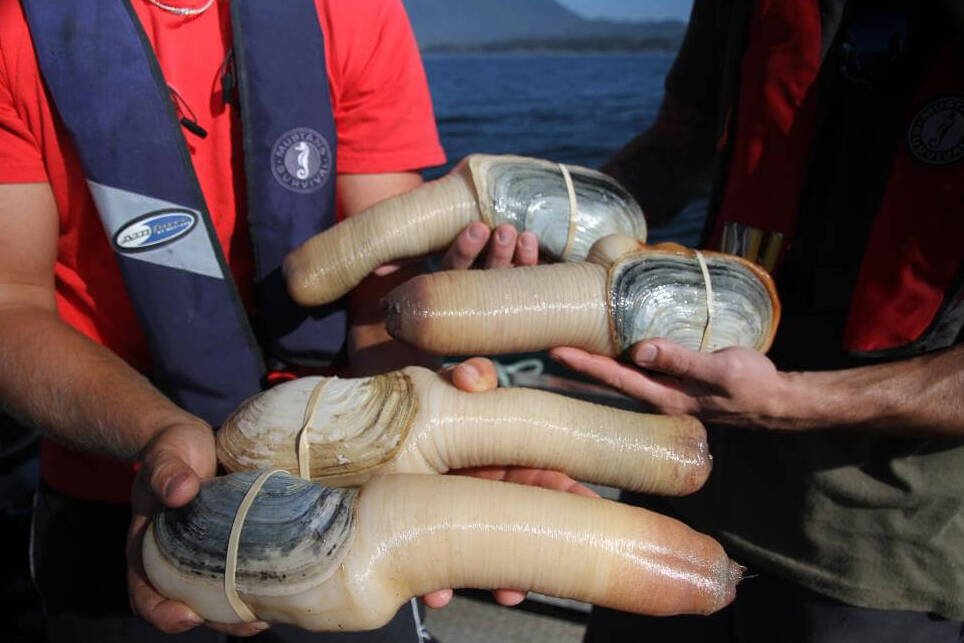
The Geoduck, a colossal mollusc, is not just a marvel of marine biology but also a fascinating cultural icon. Nestled in the sands of Alaska's coastal waters, its presence is as ancient as it is intriguing. Often referred to as the "clam with a trunk," the Geoduck's siphon can extend nearly a meter, a testament to its impressive size and unique adaptation.
### History and Origins The Geoduck, or *Panopea generosa*, has roots that stretch back millions of years, thriving in the cold, nutrient-rich waters of the Pacific Northwest. Indigenous peoples, such as the Salish, have long harvested these giants, weaving them into their cultural and subsistence practices. The traditional methods of harvesting reflect both respect and a deep understanding of their environment, highlighting a symbiotic relationship that has stood the test of time.
### Art and Architecture While you won't find grand architectural monuments dedicated to the Geoduck, its influence subtly permeates local art. Native American carvings and totems often incorporate its form, symbolizing abundance and longevity. Galleries in coastal towns like Ketchikan showcase these motifs, providing a glimpse into how this creature has inspired artistic expression for generations.
### Local Culture and Traditions Geoducks hold a special place in local traditions, celebrated in festivals such as the Whidbey Island Geoduck Festival, where the community gathers to enjoy music, parades, and, of course, feasts featuring the star mollusc. This festival not only celebrates the Geoduck's culinary appeal but also its cultural significance, drawing visitors keen to experience this unique slice of Alaskan life.
### Gastronomy In the realm of gastronomy, the Geoduck is a sought-after delicacy. Its sweet, briny flavor is a favorite in both local and international cuisines. In Seattle and other Pacific Northwest cities, you might find it served raw as sashimi, its tender texture and subtle taste making it a prized ingredient in high-end restaurants. The cost of Geoduck can reach approximately 25 Euros per kilogram, reflecting its status as a luxury seafood.
### Lesser-known Curiosities One of the most surprising aspects of the Geoduck is its longevity. These molluscs can live up to 140 years, making them one of the oldest marine animals. Furthermore, despite its somewhat amusing appearance, the Geoduck's name derives from a Lushootseed word meaning "dig deep," a nod to its burrowing nature. Tourists often miss the quirky local folklore that suggests the Geoduck's siphon pointing upwards can predict the weather—a charming, albeit scientifically unfounded, belief.
### Practical Visitor Information The best time to visit the Geoduck-rich regions of Alaska is during the warmer months, from May to September, when the weather is more conducive to outdoor activities. For those interested in experiencing a Geoduck harvest, guided tours are available, offering a unique opportunity to dig for these giants under expert supervision. Remember to dress warmly and wear sturdy boots, as the Pacific Northwest's coastal climate can be unpredictable.
With its deep cultural roots and culinary allure, the Geoduck offers a unique perspective on the natural and cultural heritage of Alaska. Explore these hidden gems using the Secret World app to plan your personalized journey.
