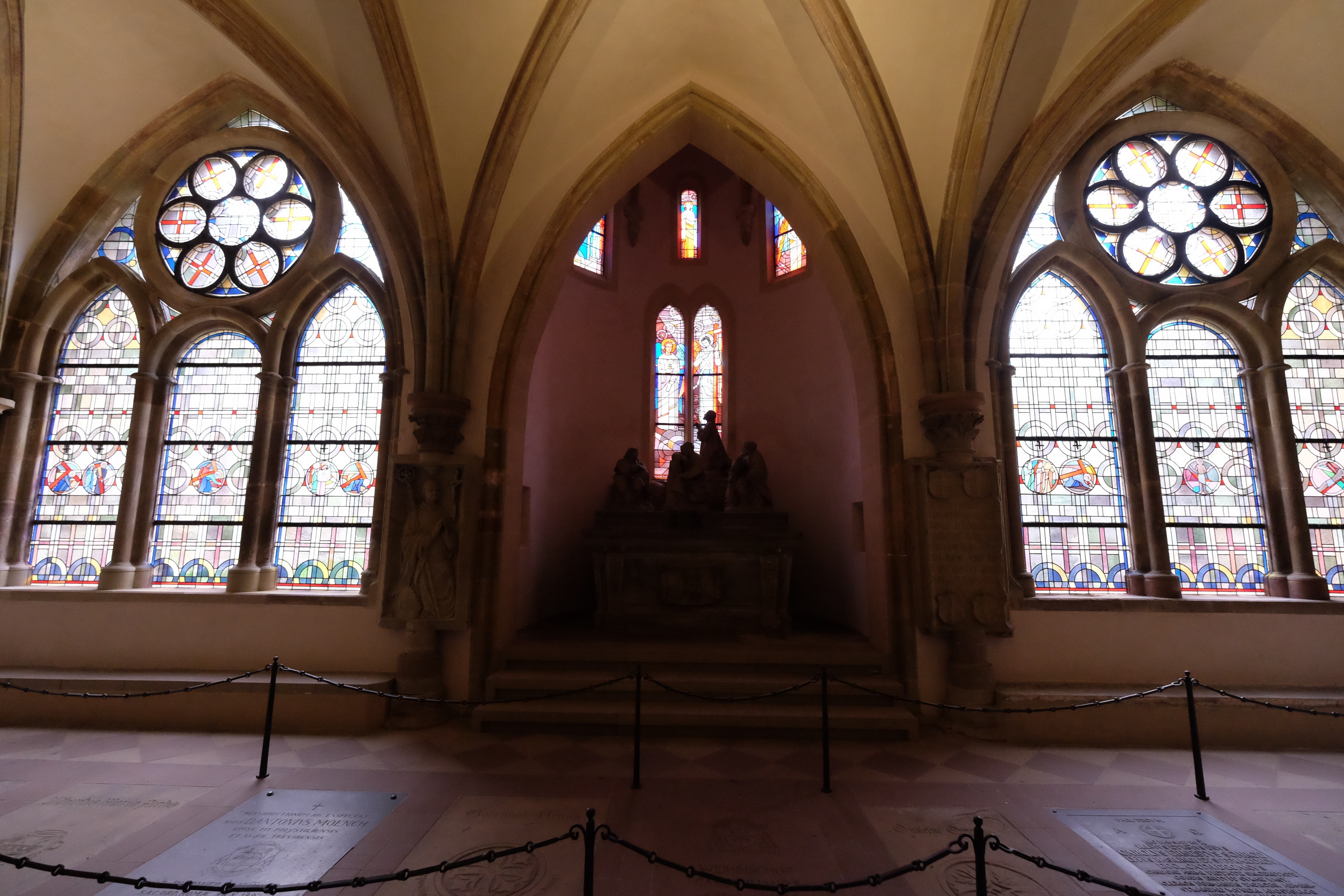
Nestled in the heart of Trier, the High Cathedral of Saint Peter stands as a testament to centuries of religious devotion and architectural evolution. Recognized as the oldest cathedral in Germany, its history intertwines with the rich tapestry of Roman and Christian heritage that defines this ancient city.
### History and Origins
The origins of the High Cathedral trace back to the 4th century, when it supplanted a palace complex, becoming the largest Christian church complex of its time. This monumental site initially featured four basilicas connected by a large baptistry, an ambitious endeavor that extended to what is now the Main Market. The remnants of the first Early Christian assembly room north of the Alps, dating back to the late 3rd century, reveal the site’s profound historical significance.
Throughout the centuries, the Cathedral has faced numerous challenges. It suffered significant damage during the 5th and 9th centuries, but resiliently transformed under the Romanesque style, leading to the structure we admire today. Its Roman central section, with walls towering to 26 meters (approximately 86 feet), still bears witness to its ancient origins. Visitors can marvel at the large granite column fragment near the entrance, a silent guardian of the Cathedral’s storied past.
The south part of the original Roman double church was dismantled around 1200, giving way to the Early Gothic Church of Our Lady (Liebfrauen), which remains a striking element of the site. While the exterior may not exhibit Roman features, extensive excavations beneath the Cathedral reveal a fascinating underworld of Roman foundations that continue to intrigue archaeologists and historians alike.
### Art and Architecture
The architectural significance of the High Cathedral of Saint Peter is immense, combining elements from various periods that reflect the changing tides of style and faith. The Romanesque additions, particularly the intricate crypts and the stunning Cathedral Treasury, house artifacts that narrate the spiritual journey of the region.
Among the most notable artworks is the Holy Robe Chapel, which contains what is believed to be the robe worn by Christ during his crucifixion. This chapel is a pilgrimage site for many, especially during the Holy Robe Festival held every few decades, drawing thousands of visitors keen to witness its spiritual significance.
The Gothic influences are palpable in the soaring arches and stained glass windows of the Church of Our Lady, creating a harmonious contrast with the Romanesque elements of the Cathedral. The interplay of light and color within these sacred spaces enchants visitors and invites contemplation.
### Local Culture and Traditions
Trier’s cultural fabric is rich with traditions that celebrate its storied past. The annual Trier Christmas Market, set against the backdrop of the Cathedral, transforms the area into a winter wonderland filled with festive lights, handmade crafts, and the warm aroma of spiced wine. This market is a cherished local custom that brings together residents and visitors alike.
The Trier Wine Festival, held every August, is another highlight, showcasing the region’s renowned wines, particularly the Mosel Riesling. The festival is an excellent opportunity to immerse oneself in local customs, featuring music, dance, and, of course, plenty of wine tasting.
### Gastronomy
Trier’s culinary scene is equally vibrant, reflecting its geographical and cultural influences. One must-try dish is the Trier sausage (Trierer Wurst), known for its unique blend of spices and flavors. Pair this with a glass of Trier wine, particularly the Riesling, to truly savor the local palate.
Don’t miss the opportunity to indulge in Rheinischer Sauerbraten, a pot roast that has been marinated for days in a mixture of vinegar and spices, often served with red cabbage and potato dumplings. These dishes embody the hearty flavors of the region and offer a taste of its rich agricultural heritage.
### Lesser-Known Curiosities
Beyond the grand architecture and rich history, there are intriguing details that many visitors overlook. For instance, the Cathedral Treasury houses not only religious artifacts but also a collection of medieval liturgical objects that reflect the artistry and devotion of past centuries. Another captivating feature is the hidden Roman remnants that lie beneath the Cathedral, a secret world waiting to be explored by those with a keen interest in history.
Additionally, the Holy Robe is not just a religious relic; it has its own legend. Local lore suggests that the robe was brought to Trier by Emperor Constantine, who sought to honor the significance of the city in the early Christian world.
### Practical Visitor Information
The best time to visit the High Cathedral of Saint Peter is during the spring and early autumn months when the weather is mild, allowing for a comfortable exploration of the surrounding area. Early mornings are ideal for a quieter experience, with fewer tourists.
When visiting, be sure to look for the three crypts, each housing unique artifacts and offering a glimpse into the Cathedral’s history. Guided tours are available and can provide deeper insights into the architectural marvels and hidden stories of this ancient site.
To enrich your visit to Trier, consider using the Secret World app to create a personalized itinerary that highlights the city’s treasures and allows you to delve into its rich history.