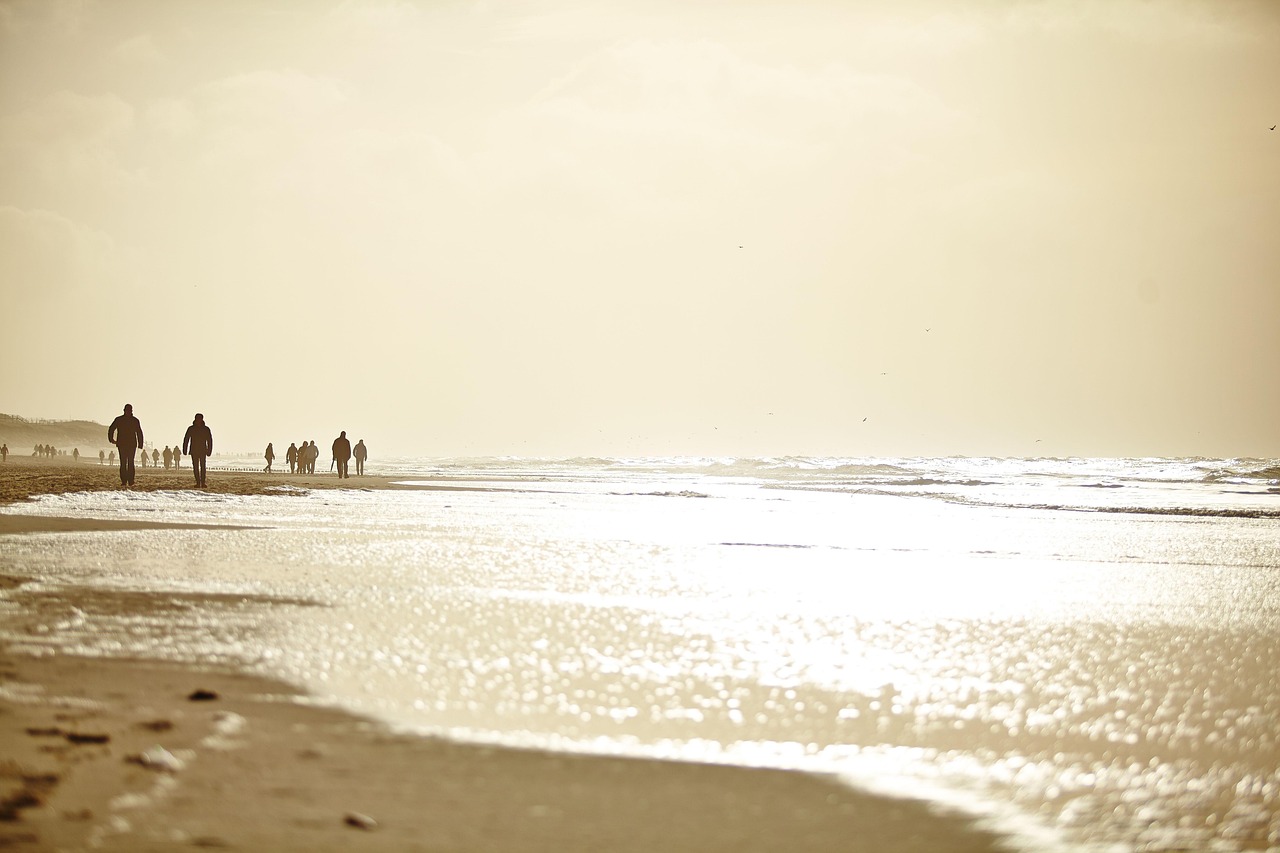

Nestled in the North Sea, the North Frisian Islands boast a unique charm and breath-taking landscapes, but Sylt stands out as the crown jewel of this archipelago. Known for its dramatic coastline, expansive sandy beaches, and vibrant culture, Sylt has drawn visitors for centuries, offering not just spectacular views but a rich tapestry of history and tradition.
### History and Origins The origins of Sylt are as intriguing as its natural beauty. Archaeological findings suggest that the island has been inhabited since at least the Stone Age, with evidence of settlements dating back thousands of years. However, it was during the Middle Ages that Sylt began to take shape as a significant community. The island was once a part of the larger Frisian territories, where the inhabitants thrived on fishing, farming, and trading.
A pivotal moment in Sylt's history occurred in 1436, when a catastrophic flood ravaged the region, leading to the disappearance of the village of Eidum, which now lies submerged beneath the waves. This settlement, believed to have been established in the 1300s, serves as a haunting reminder of the island's tumultuous relationship with the North Sea. Today, remnants of Eidum can still be spotted at low tide, captivating visitors with whispers of the past.
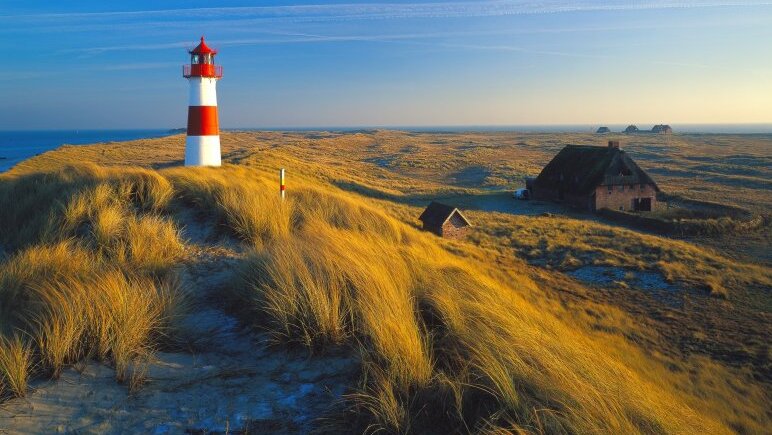
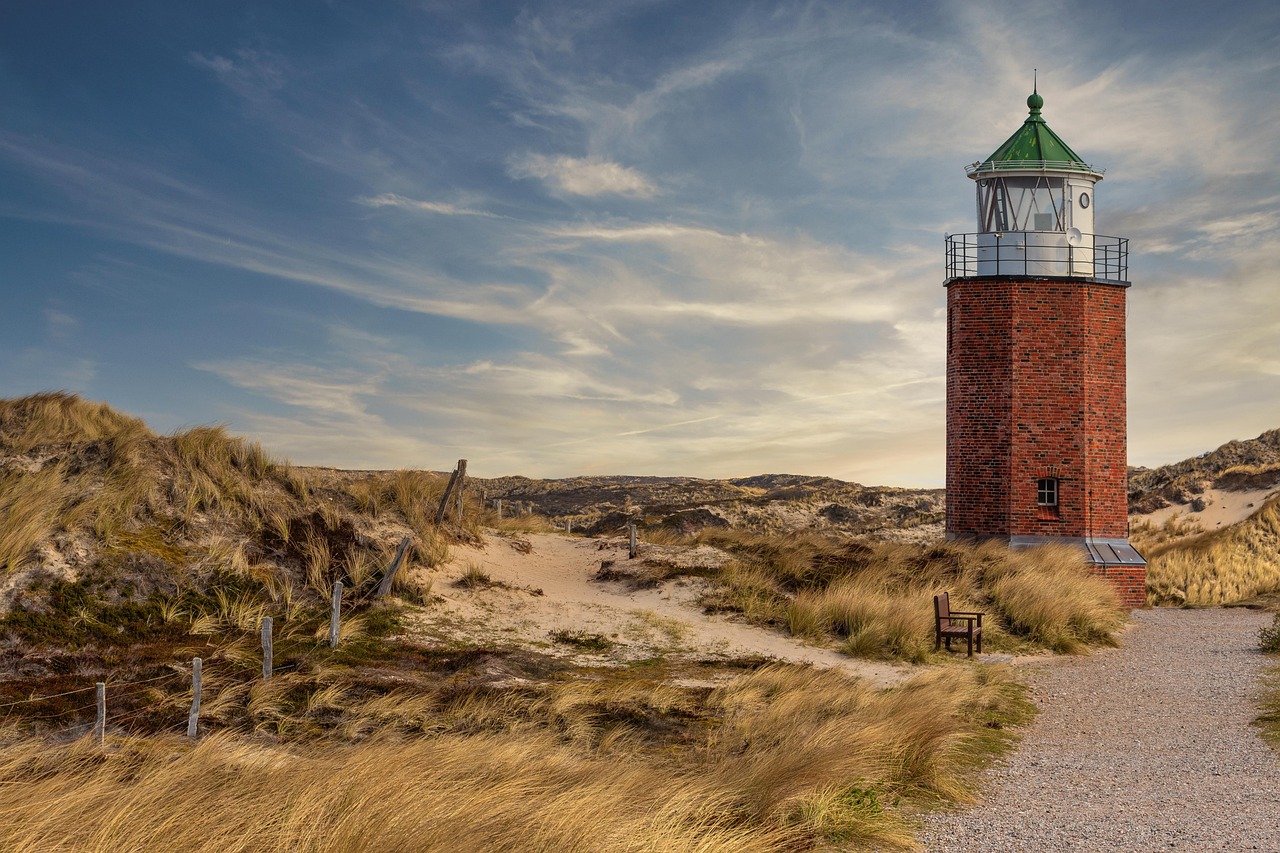
### Art and Architecture The architectural style of Sylt is a delightful blend of traditional and modern influences. One of the island's most iconic structures is the List Lighthouse, erected in 1856. Its striking red and white striped design stands proudly against the backdrop of the shimmering sea, drawing photographers and romantics alike. The island is also home to charming thatched-roof houses that reflect the Frisian architectural tradition, adding to the island's quaint appeal.
Art can be found in various forms across Sylt, with local galleries showcasing works inspired by the island's natural beauty. Noteworthy is the Sylt Art Museum in Keitum, which hosts exhibitions of regional artists, emphasizing the connection between the land and its creative expressions. The island's artistic significance is not just in visual art; it also thrives in music and literature, with locals celebrating their culture through various festivals.
### Local Culture and Traditions The culture of Sylt is steeped in local customs that reflect the island's maritime heritage. One of the most vibrant expressions of this culture is the Sylt Schützenfest, a traditional marksman's festival held annually, where locals gather to celebrate with music, dance, and competitions. This festival, rooted in community spirit, usually takes place in August and is a must-see for visitors seeking to immerse themselves in local traditions.
Another key aspect of Sylt’s culture is the prevalence of the Frisian language, which is still spoken by some locals, particularly in Keitum. Efforts to preserve this linguistic heritage highlight the island's commitment to its roots, making it a living museum of Frisian customs.
### Gastronomy No visit to Sylt would be complete without indulging in its culinary delights. The island is famed for its fresh seafood, particularly its Sylt oysters, which are highly sought after for their rich flavor. Local restaurants, such as Gosch, serve these delicacies alongside traditional Frisian dishes like Labskaus, a hearty stew made from corned beef, potatoes, and beets, often served with pickled herring.
In addition to seafood, Sylt is known for its exceptional dairy products, particularly cheese made from the milk of the island's unique cows. Pair these with a glass of locally brewed beer or a crisp white wine from the surrounding regions for a true taste of the island's gastronomy.
### Lesser-known Curiosities While Sylt is well-known for its beaches and luxury resorts, many tourists overlook some lesser-known facts. For instance, the island is home to the Westerland Beach Promenade, where visitors can find not only stunning views but also a unique collection of beach chairs painted by local artists. These colorful chairs have become a symbol of Sylt and provide an excellent opportunity for Instagram-worthy photos.
Furthermore, Sylt boasts a fascinating wildlife sanctuary, the Wadden Sea, a UNESCO World Heritage site. This area is home to diverse bird species and offers guided tours that delve into the unique ecosystems present in the tidal flats, providing a glimpse into the island's natural wonders.
### Practical Visitor Information The best time to visit Sylt is during the summer months, from June to August, when the weather is warm and the beaches are bustling with activity. However, spring and autumn offer a quieter experience, perfect for those looking to escape the crowds.
When planning your visit, consider exploring the island by bike, with numerous cycling paths winding through picturesque landscapes. Don't miss the chance to visit the charming village of Keitum, known for its traditional thatched-roof houses and tranquil atmosphere.
In summary, Sylt offers a unique blend of history, culture, and breathtaking natural beauty that captivates every visitor. From its rich maritime heritage to its culinary delights, the island promises an unforgettable experience.
For a personalized itinerary that captures the essence of Sylt, consider using the Secret World app.