



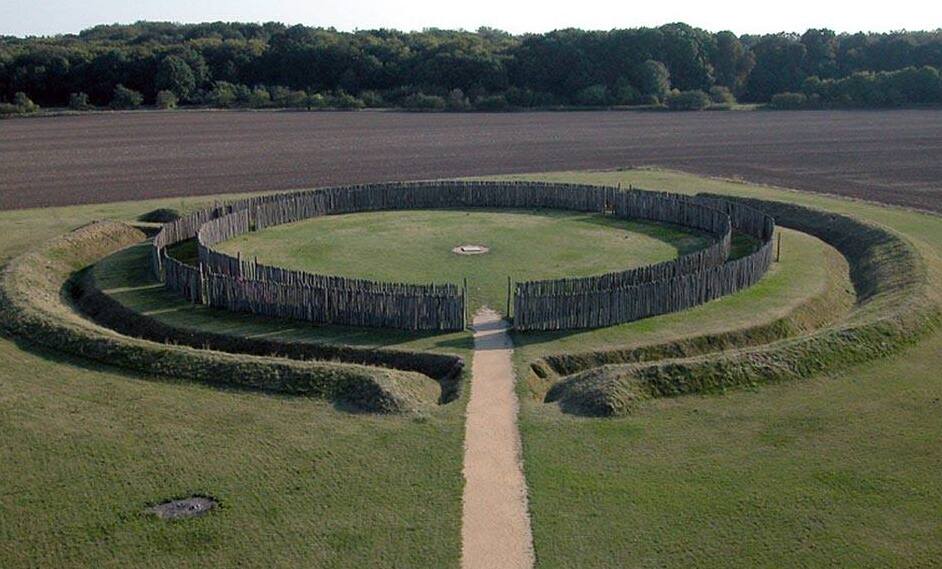
Nestled in the picturesque landscape of Goseck, Germany, the Goseck circle stands as a testament to humanity's ancient quest for understanding the cosmos. With its origins dating back to approximately 4900 BC, this Neolithic structure is not only one of the oldest Solar observatories in the world but also a key site in the study of early European civilization.
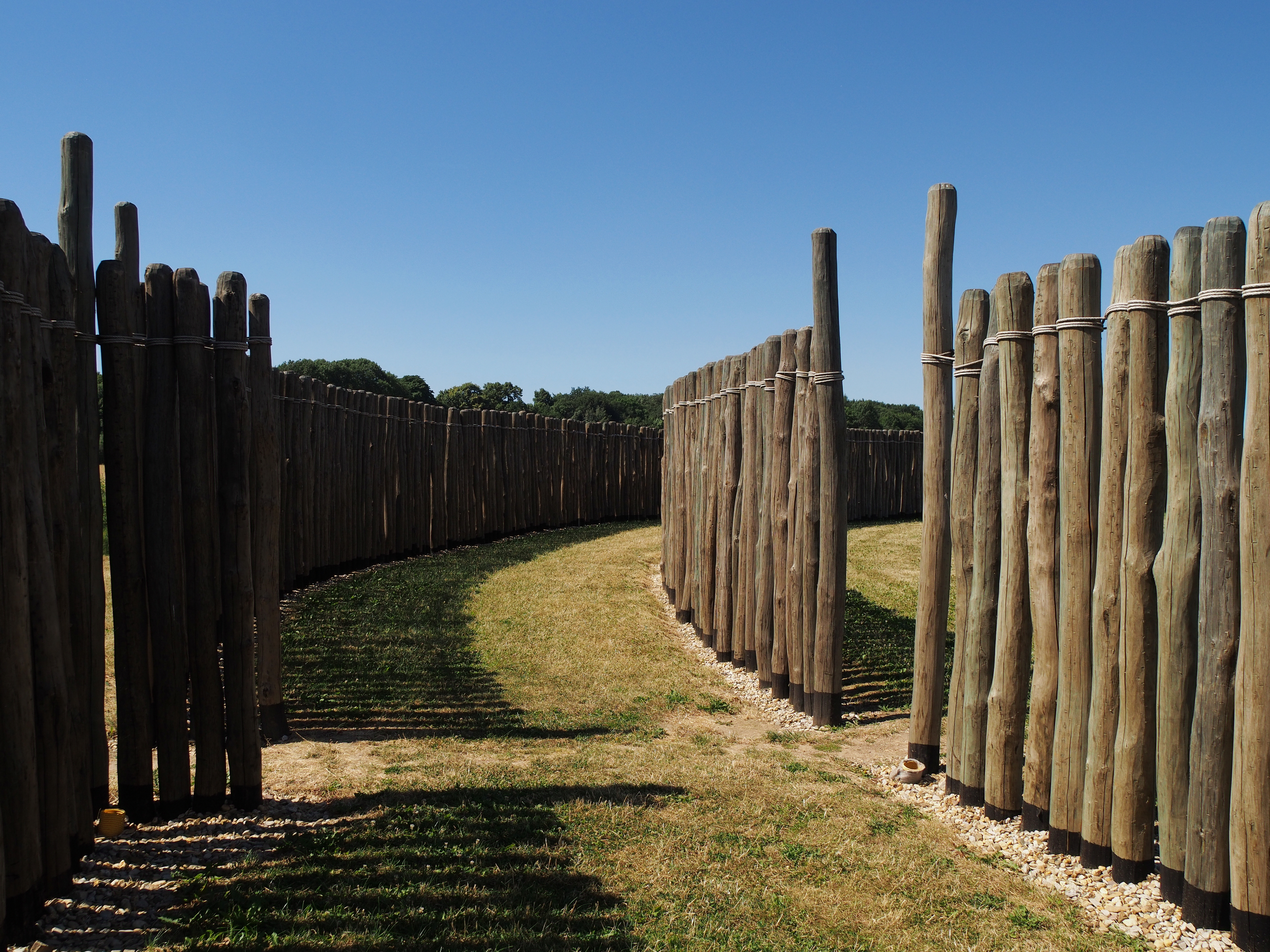
The circle consists of a series of concentric ditches spanning 75 meters across, encircled by two palisade rings. Strategically positioned gates align with the sunrise and sunset during the winter and summer solstices, highlighting the significance of celestial events to the people of that era. This remarkable precision suggests a sophisticated understanding of astronomy. The structure likely served as a communal gathering place for rituals and celebrations, marking the changing seasons that dictated agricultural cycles.
The Goseck circle is part of a broader group of Circular Enclosures found in the Elbe and Danube regions. These enclosures share similar alignments and architectural features, indicating a shared cultural framework among Neolithic communities. Within the circle, archaeologists have uncovered evidence of ritualistic behaviors, including the remains of fires and animal bones, as well as a headless skeleton found near the southeastern gate, hinting at possible human sacrifices or ceremonial burials that further enrich the site's historical narrative.
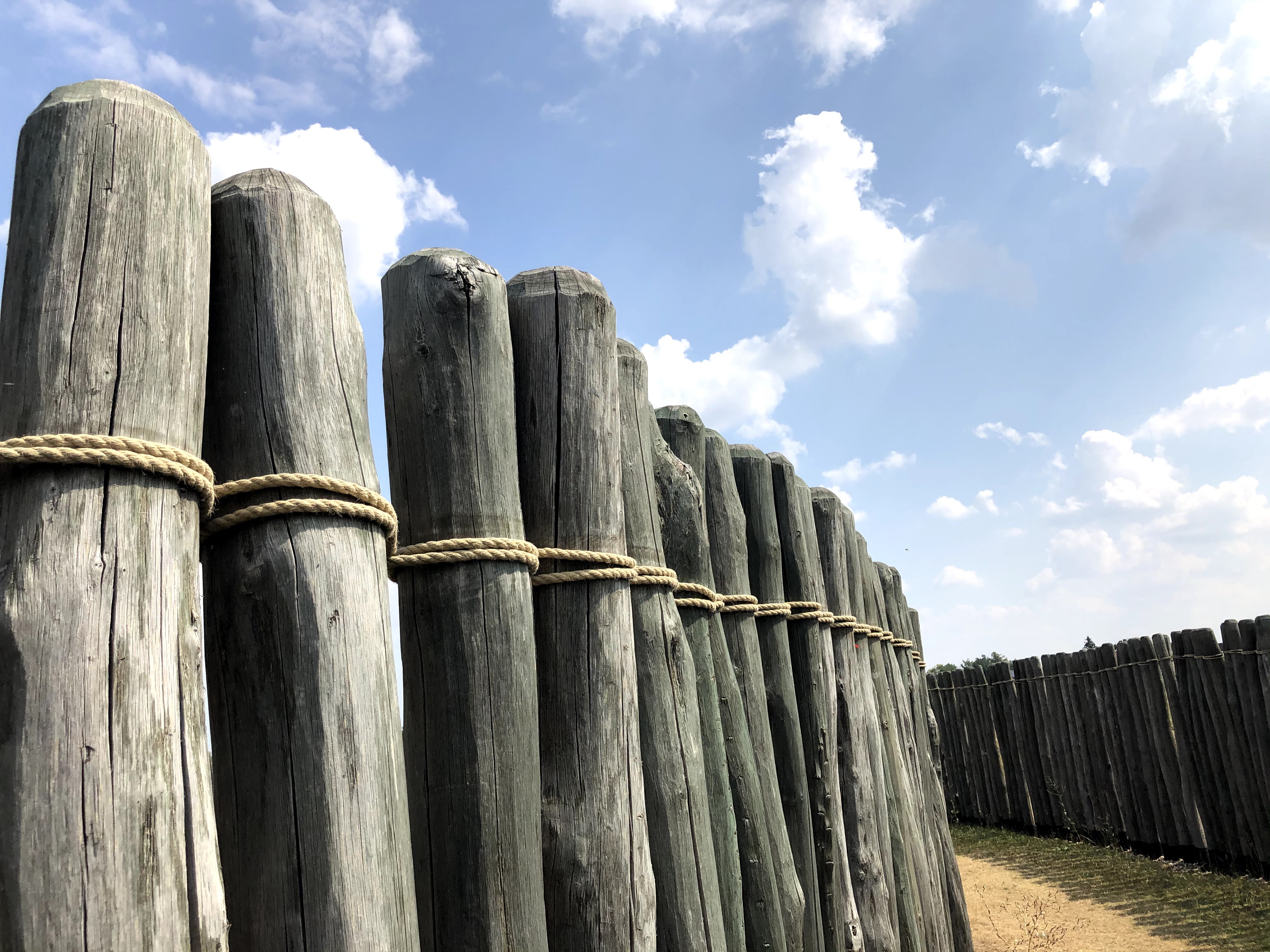
Architecturally, the Goseck circle reflects the ingenuity of early Neolithic builders. The use of palisade structures, made from wood, showcases their ability to manipulate natural resources to serve their societal needs. This construction method not only provided a physical boundary but also symbolized a communal identity, uniting the people in their shared beliefs and practices. The significance of the site transcends mere functionality; it embodies the spiritual and cultural essence of a bygone era, making it a pivotal point of study for archaeologists and historians alike.
Beyond its historical and architectural importance, Goseck is steeped in local culture and tradition. The town celebrates its heritage with various festivals that honor its ancient roots. One such event is the Goseck Festival of the Sun, held during the summer solstice, when locals and visitors alike gather to witness the sunrise illuminating the circle. This celebration not only pays homage to the astronomical significance of the site but also fosters community spirit and a connection to the land.
When it comes to gastronomy, Goseck offers a taste of traditional Saxon cuisine. Visitors can indulge in hearty dishes like Sauerbraten, a pot roast typically served with red cabbage and dumplings, or Quarkkeulchen, sweet curd cheese pancakes that evoke the flavors of the region. Local breweries produce a variety of beers, with Köstritzer Schwarzbier being a popular choice for those wishing to sample the area’s beverage offerings. Pairing these delicacies with local wines from the nearby Saale-Unstrut wine region enhances the culinary experience, providing a rich palette of flavors that reflect the land’s agricultural bounty.
For those looking to delve deeper into the lesser-known aspects of Goseck, the town's past is peppered with intriguing stories and curiosities. One surprising fact is that the Goseck circle was rediscovered only in the early 1990s, after being overlooked for centuries. Its excavation has led to significant advancements in our understanding of Neolithic societies and their complex belief systems. Additionally, the site serves as a reminder of the interconnectedness of ancient peoples, as artifacts found here suggest trade and communication networks that spanned vast distances.
The best time to visit Goseck is during the spring and summer months, when the landscape is lush and vibrant, providing a stunning backdrop for exploration. Early risers can witness the sun rising over the ancient circle, an experience that resonates deeply with the site's historical significance. For an enriching visit, consider joining guided tours that offer insights into the archaeology and cultural heritage of the area, ensuring you don’t miss out on the stories and details that bring Goseck to life.
In conclusion, the Goseck circle is not just a relic of the past but a living narrative that continues to engage and inspire. This remarkable site invites you to step back in time and contemplate the mysteries of the universe as understood by our ancient ancestors. To create a personalized itinerary that captures the essence of your visit to Goseck, consider using the Secret World app to enhance your journey.
