
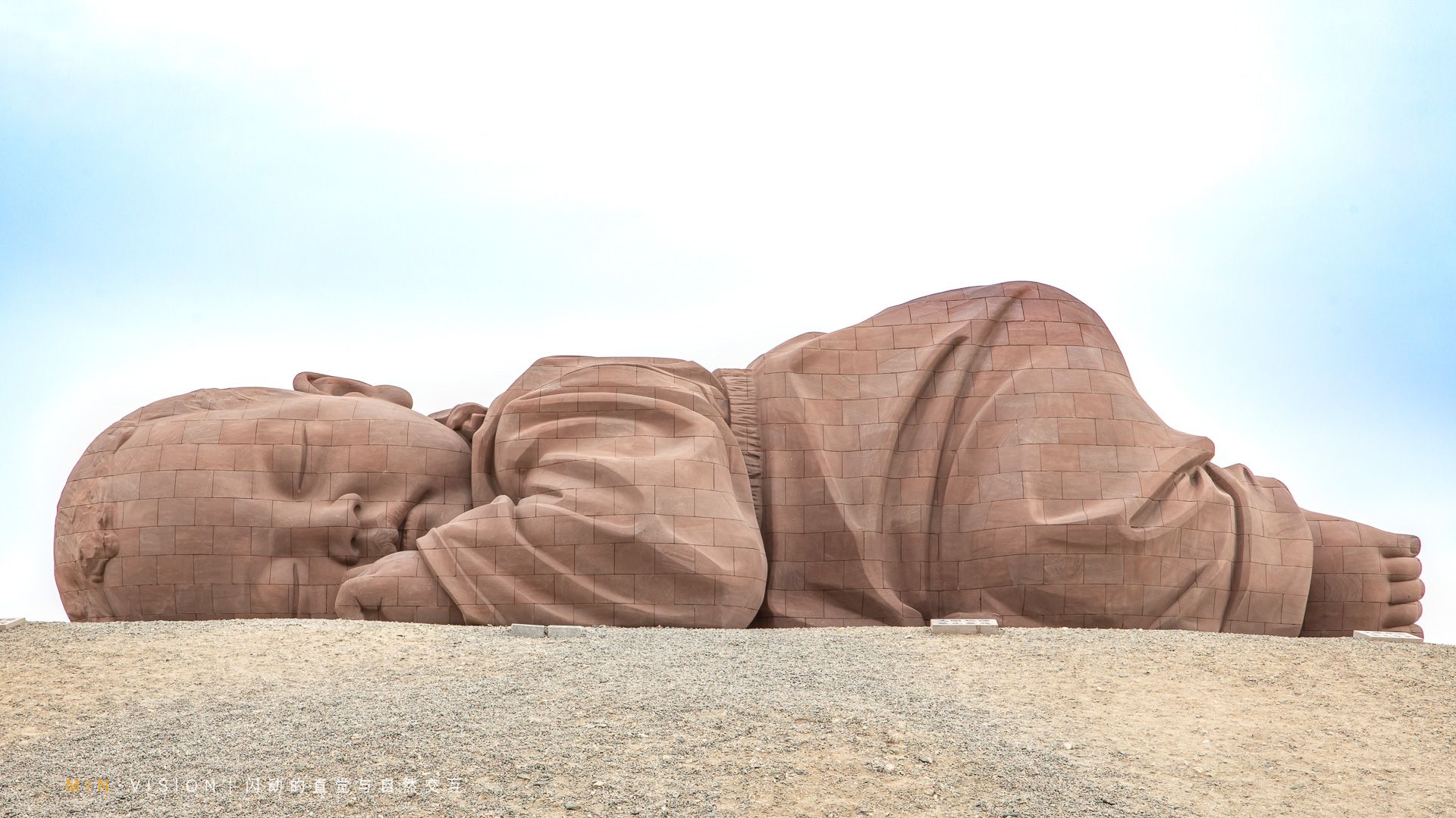

In the heart of Guangzhou, a city pulsating with modern life and historical depth, lies a whimsical and intriguing piece of art—a giant sleeping baby nestled amidst the urban landscape. This massive sculpture, a testament to contemporary artistry, captures the imagination of those who happen upon it, offering a surreal contrast to the city's bustling energy.
The Giant Sleeping Baby is a product of artistic vision by Dong Shubing from Tsinghua University, crafted meticulously over a year. This 15-meter-long, nine-meter-tall sculpture is not just an artistic marvel but also a cultural statement, symbolizing innocence and the potential of dreams in a rapidly changing world. The piece sits comfortably within the broader tapestry of Guangzhou's rich artistic landscape, a city known for blending traditional Chinese art with modern expression.
Guangzhou, historically known as Canton, has always been a melting pot of cultures and ideas. Established as a major trade hub during the Tang Dynasty (618–907 AD), the city became a gateway between China and the world, introducing foreign influences that have percolated through its cultural and artistic expressions. The city’s architecture is a testament to this history, with structures ranging from ancient temples to modern skyscrapers.
The Giant Sleeping Baby adds a contemporary layer to Guangzhou’s architectural portfolio. It reflects the city’s openness to new ideas and forms, much like the Canton Tower, which symbolizes the city’s rise as a modern metropolis. The sculpture’s smooth, organic lines are reminiscent of the Lingnan architectural style, known for its integration with nature and emphasis on fluidity and grace.
Beyond its art and architecture, Guangzhou is vibrant with cultural traditions. The city is famous for its annual Canton Fair, the largest trade fair in China, and the Dragon Boat Festival, which paints the Pearl River with vibrant colors and competitive spirit. These events highlight Guangzhou’s cultural dynamism and its role as a steward of both historical and modern traditions.
One cannot mention Guangzhou without delving into its gastronomic wonders. The city is the birthplace of Cantonese cuisine, renowned for its emphasis on fresh ingredients and delicate flavors. Visitors can indulge in dim sum at local teahouses, savor the rich, sweet notes of char siu (barbecued pork), and explore the aromatic depths of wonton noodles. Each dish tells a story, reflecting the city’s history of trade and cultural exchange.
While the Giant Sleeping Baby is a spectacle in its own right, it is surrounded by lesser-known curiosities that add layers to its narrative. For instance, nearby is the Temple of the Six Banyan Trees, a site of profound spiritual significance with its towering pagoda that has stood since the Northern Song Dynasty (960–1127 AD). Such hidden gems provide a context for understanding Guangzhou’s blend of the ancient and the modern, a city where history is not just preserved but lived.
For those planning to visit this unique sculpture, it is best to come during the cooler months from October to December, when the weather is pleasant for exploring the city's outdoor attractions. As you make your way to the sleeping baby, take time to explore the surrounding areas, where history and modernity seamlessly coexist. Don't forget to bring a camera, as the sculpture provides a perfect backdrop for capturing the essence of Guangzhou’s eclectic spirit.
In the end, the Giant Sleeping Baby is more than just a sculpture; it is a symbol of Guangzhou's evolving narrative. It invites reflection on where the city has been and where it is headed, offering a serene pause amidst the vibrant chaos of one of China’s most dynamic urban landscapes.


