← Back

Gingko Biloba, the oldest golden tree in the World

Gu County, Linfen, Shanxi, Cina ★★★★☆ 459 views
Maya Raminez
Linfen
🏆 AI Trip Planner 2026

Get the free app

Discover the best of Linfen with Secret World — the AI trip planner with 1M+ destinations. Get personalized itineraries, hidden gems and local tips. Free on iOS & Android.

🧠 AI Itineraries 🎒 Trip Toolkit 🎮 KnowWhere Game 🎧 Audio Guides 📹 Videos
Scan to download iOS / Android
Scan for AppGallery Huawei users

About Gingko Biloba, the oldest golden tree in the World

Gingko Biloba, the oldest golden tree in the World - Linfen | Secret World Trip Planner

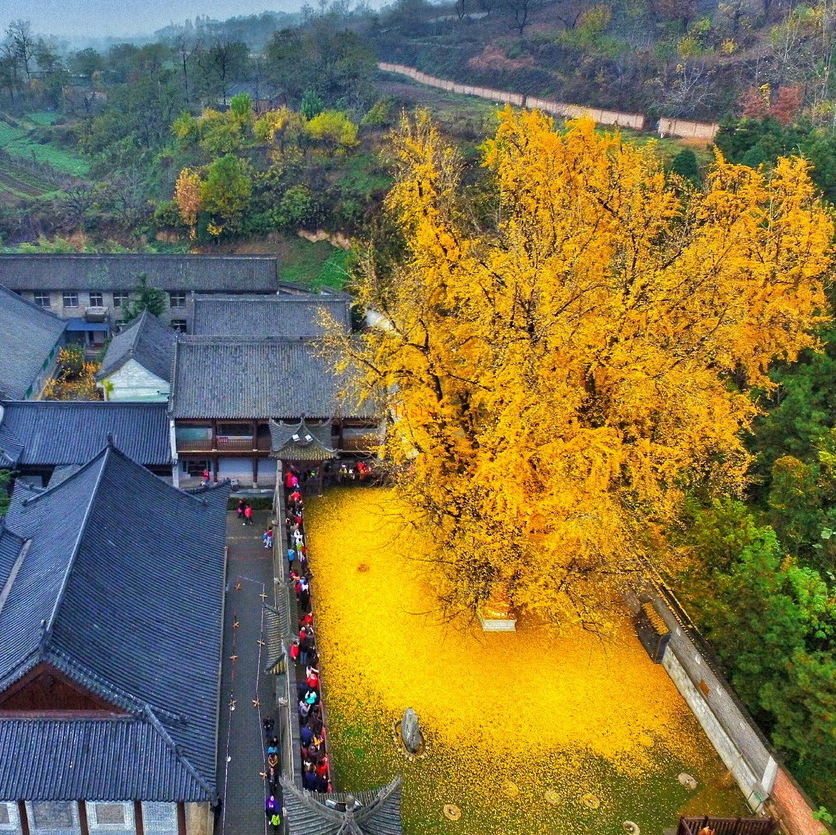
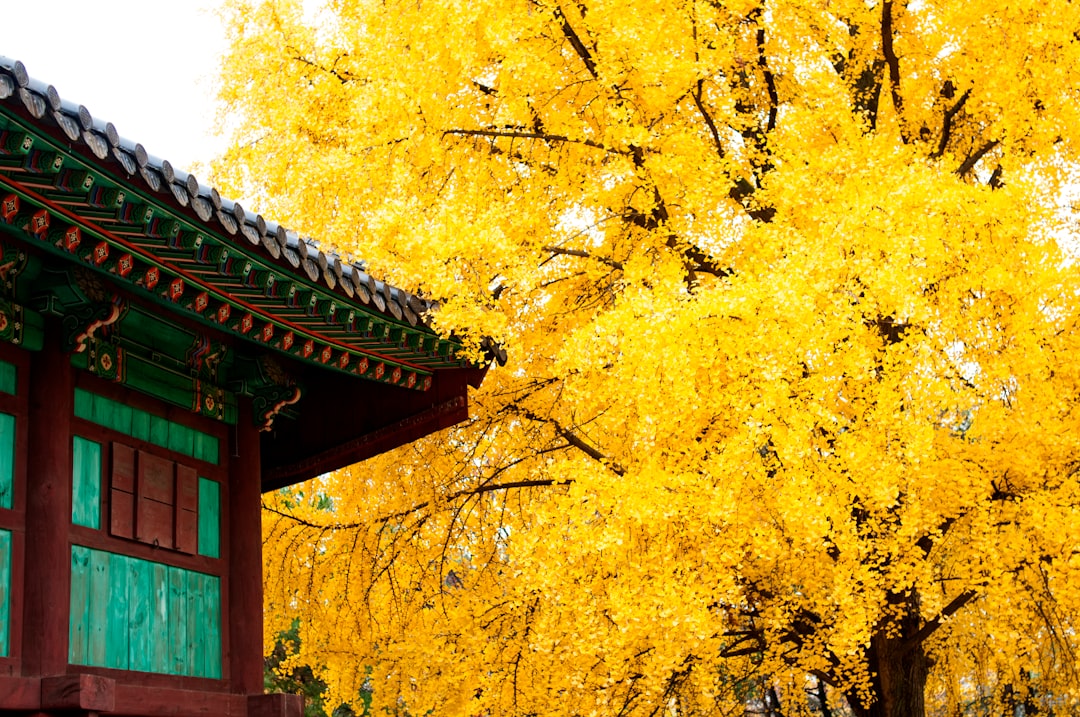
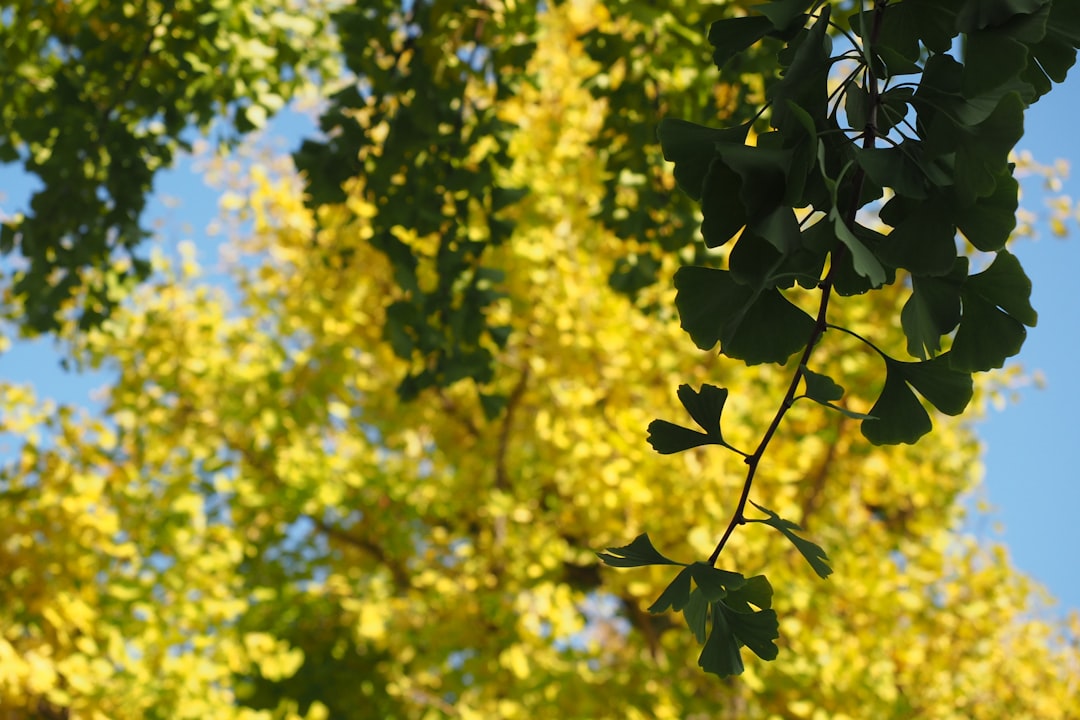
There is a natural phenomenon in China that has no equal. At the foot of the Zhongnan Mountains, there is a Buddhist temple that monks take great care of. It is a place of worship surrounded by greenery, far from the grey buildings of the city. Since ancient times, the Buddhist temple of Gu Guanyin has been considered a reference point for spirituality thanks to a tree that has made this place famous all over the world.The temple is already very fascinating in itself, but in autumn it becomes a pilgrimage destination for thousands of people who want to see with their own eyes the tree that is located in one of the lawns of the monastery. It is a Ginkgo Biloba, an ancient species defined as a "living fossil" because it originated 250 million years ago. When dinosaurs existed and man was not yet present on earth, there were already Ginkgo Biloba trees. The tree we are talking about is about 1,400 years old and is considered magical. When it starts to lose its golden leaves in the early cold it creates an amazing effect: the lawn of the Buddhist temple is tinged with an intense yellow color that dominates the green and stands out on the landscape of the place, almost as if the tree was actually a golden statue. It is said that the tree was planted, 1400 years ago, by Emperor Li Shimin, one of the most important Chinese rulers, founder of the Tang dynasty (618-907 AD). Perhaps also because of its presumed noble origins, the specimen is popular throughout China, but the colour of its leaves is by no means an isolated case.
Gingko Biloba, the oldest golden tree in the World - Linfen | Secret World Trip Planner

Buy Unique Travel Experiences

Powered by Viator

See more on Viator.com

Frequently Asked Questions

The best time to visit is in early autumn when the tree begins to lose its leaves and transforms the temple lawn into a stunning golden carpet. During this season, thousands of pilgrims and visitors travel to the Zhongnan Mountains specifically to witness this natural phenomenon that creates an almost magical, statue-like effect on the landscape.
The tree is approximately 1,400 years old and is believed to have been planted by Emperor Li Shimin, the founder of the Tang dynasty, around 618-907 AD. This ancient specimen is considered a 'living fossil' since the Ginkgo Biloba species itself originated 250 million years ago, predating both dinosaurs and mankind.
The famous tree is located at the Buddhist temple of Gu Guanyin, situated at the foot of the Zhongnan Mountains in China. The temple is a peaceful place of worship surrounded by greenery and far from the grey urban buildings, making it an ideal destination for both spiritual seekers and nature enthusiasts.
The tree is famous for its spectacular transformation in autumn when it displays an intense golden color that dominates the landscape and creates an almost supernatural effect. Its presumed noble origin—having been planted by Emperor Li Shimin himself—combined with its 1,400-year age and spiritual significance at this respected Buddhist temple, has made it a pilgrimage destination recognized worldwide.
While the golden leaf display is not unique to this tree, the scale and magical effect created at this specific location is extraordinary. The intense yellow color that blankets the monastery lawn is particularly striking because of the tree's age, size, and the spiritual atmosphere of the Buddhist temple setting, making it unparalleled as a natural phenomenon.