
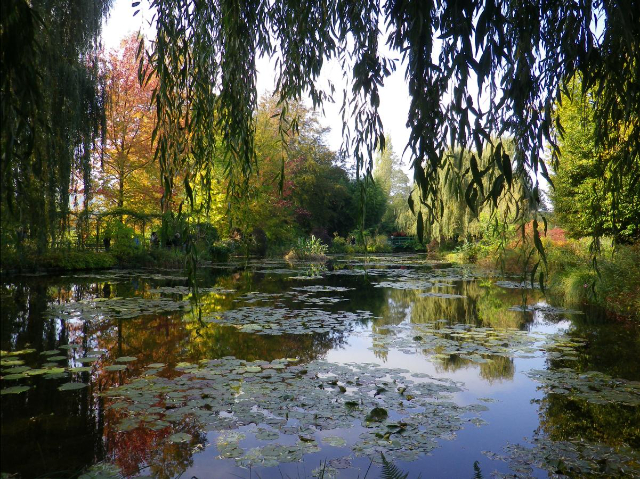

Nestled in the verdant heart of Normandy, Giverny is a village that whispers stories of past centuries, artistic revolutions, and natural beauty. This picturesque hamlet, perched on the banks of the Seine River, is most renowned for its association with one of the art world's luminaries, Claude Monet. Yet, beyond Monet's legacy, Giverny is a tapestry of history and culture waiting to be unraveled.
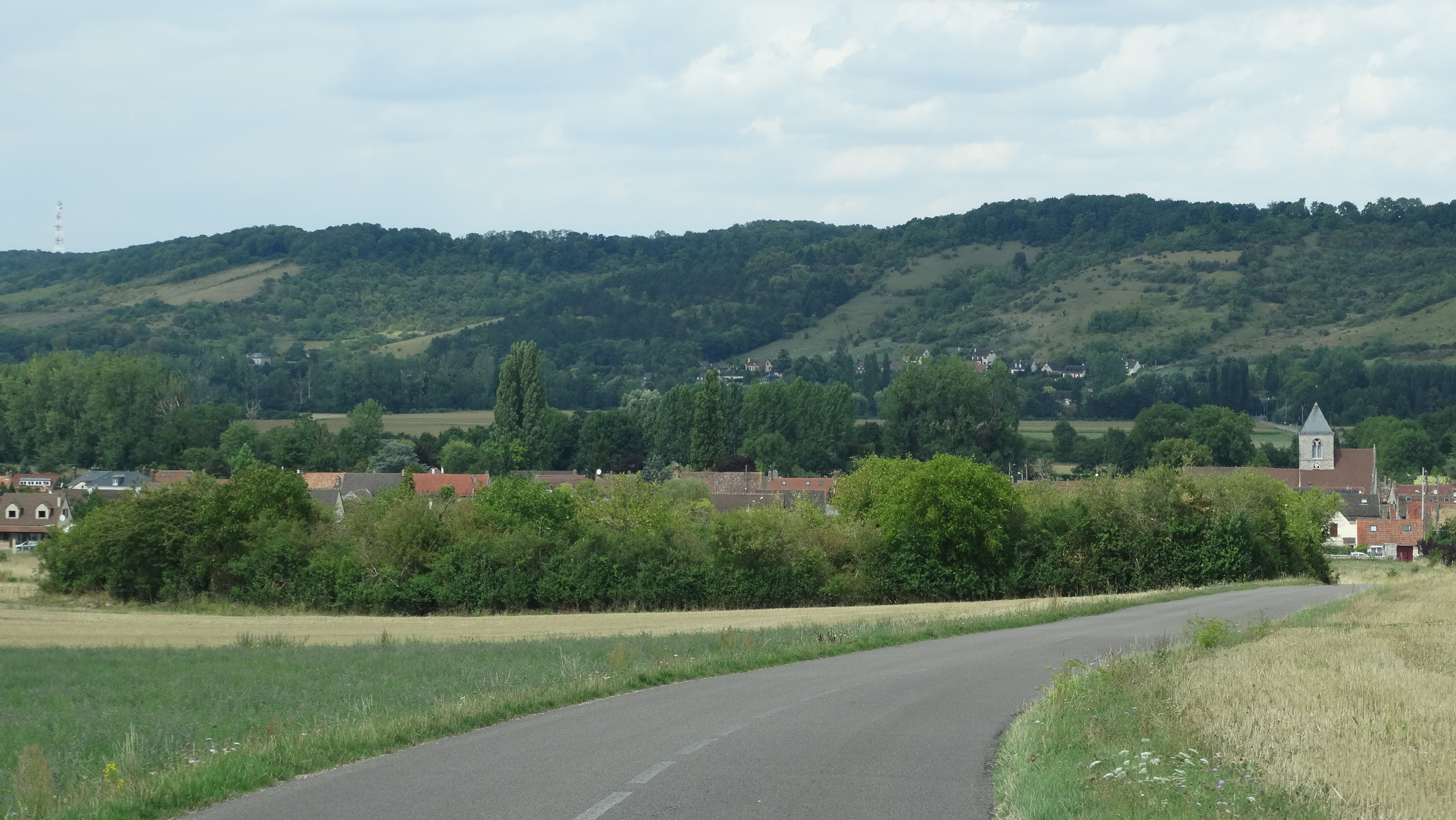
The origins of Giverny trace back to ancient times, with the area believed to have been settled since the Gallo-Roman period. The village itself was officially founded in the early medieval era, flourishing under the auspices of local nobility and ecclesiastical powers. A significant historical milestone was the construction of the Church of Sainte-Radegonde in the 11th century, whose Romanesque architecture still stands as a testament to the village's enduring past.
The artistic magnetism of Giverny emerged in the late 19th century when Claude Monet, captivated by its light and landscape, planted roots here in 1883. Monet's home and garden, now a vibrant museum, is a masterclass in harmony between art and nature. The famous Japanese Bridge and the lush water lily pond are immortalized in Monet's canvases, reflecting his pioneering role in the Impressionist movement. The village became a haven for artists, drawing a creative community that included American painters such as Theodore Butler and Frederick Carl Frieseke.
Architecturally, Giverny is a charming tableau of traditional Norman style, with stone houses, rustic barns, and the enchanting Hotel Baudy, a former hub for artists visiting Monet. The hotel’s atelier, preserved as it was, offers a glimpse into the vibrant artistic exchanges that once filled its rooms.
Giverny’s cultural pulse beats with local traditions and festivities. The Festival of Impressionism, held biennially, celebrates the artistic heritage with exhibitions, workshops, and open-air painting sessions. The villagers also honor the rural calendar with events like the Fête de la Saint-Jean, a midsummer celebration featuring music, dance, and traditional bonfires.
In terms of gastronomy, Giverny offers a taste of Normandy’s rich culinary legacy. Visitors can savor local specialties such as Camembert and Pont-l'Évêque cheeses, accompanied by a crisp glass of Normandy cider. The region's apple-based desserts, like Tarte Tatin, offer a sweet conclusion to any meal. For the adventurous palate, the Croquettes de Vire, a type of savory pancake, provide a distinctive local flavor.
Beyond the well-trodden paths, Giverny harbors lesser-known curiosities. Few visitors realize that Monet’s garden is meticulously divided into two contrasting sections: the formal Clos Normand with its symmetrical beds and the more organic Water Garden, inspired by Japanese landscapes. A short stroll from the main attractions, the Musée des Impressionnismes Giverny delves into the broader impact of Impressionism, showcasing works by Monet’s contemporaries and successors.
For those planning a visit, the best time to experience Giverny is from late spring to early autumn, when the gardens are in full bloom. Arriving early in the day can help avoid the crowds, particularly during the peak tourist months of June to August. Walking or cycling through the village and its surroundings allows for a more intimate encounter with its serene beauty. Be sure to visit the Hôtel Baudy for a coffee in the garden where once Monet, Renoir, and Cézanne exchanged ideas.
Giverny is more than just a snapshot of Monet’s life; it is a living canvas where history, art, and nature intertwine. Each visit promises not only a journey through the annals of Impressionism but also an exploration of Normandy’s rich cultural tapestry. Whether you're an art aficionado or a seeker of tranquil beauty, Giverny offers an immersive experience that lingers long after the visit ends.


