


Tucked away in the northern reaches of Poland lies Gmina Grunwald, a region steeped in history and imbued with the whispers of medieval legends. Here, the past is not just a memory but a living entity, woven into the fabric of the land that witnessed one of the most significant battles of medieval Europe—the Battle of Grunwald in 1410. This event marked a pivotal moment in history when the allied forces of the Kingdom of Poland and the Grand Duchy of Lithuania defeated the Teutonic Knights, altering the balance of power in the region.
The roots of Gmina Grunwald stretch back to ancient times, with traces of human settlement dating to the early Middle Ages. The gmina, or administrative district, is part of the Warmian-Masurian Voivodeship, an area known for its verdant landscapes and shimmering lakes. Over centuries, the region has been a crossroads of cultures and influences, evident in the diverse architecture and local traditions that still thrive today.
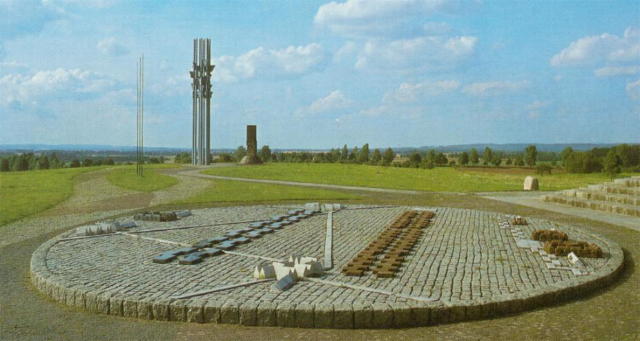
Architecturally, Gmina Grunwald is a tapestry of styles, ranging from the medieval to the modern. The most prominent site is the Grunwald Battlefield, where remnants of the past whisper tales of valor and strategy. Although the battlefield itself is largely an open expanse, it is punctuated by commemorative monuments, such as the imposing Grunwald Monument, which serves as a tribute to the soldiers who fought in the historic battle. Nearby, the Grunwald Museum offers an extensive collection of artifacts, including weapons and armor, providing a tangible link to the past. The museum's exhibits are a fascinating blend of history and art, offering insights into the medieval period's artistic craftsmanship.
The cultural heartbeat of Gmina Grunwald is palpable in its vibrant festivals and traditions. Each year, the Battle of Grunwald is reenacted with great fervor, drawing thousands of history enthusiasts and tourists from around the world. This event is not merely a reenactment but a full-fledged festival celebrating medieval culture, complete with period costumes, jousting tournaments, and traditional crafts. The local community takes immense pride in preserving these traditions, which offer a window into the region's rich historical tapestry.
When it comes to gastronomy, Gmina Grunwald offers a taste of the region's rustic culinary heritage. The local cuisine is heavily influenced by traditional Polish fare, with hearty dishes that reflect the agricultural roots of the area. Visitors can savor pierogi (dumplings stuffed with meat, cheese, or seasonal fruits), bigos (a hearty hunter's stew with sauerkraut and meats), and kielbasa (traditional Polish sausage). These dishes are often accompanied by locally brewed beers or miód pitny—a type of mead that has been enjoyed in Poland for centuries.
Beyond the well-trodden paths of battlefields and festivals, Gmina Grunwald harbors lesser-known curiosities that intrigue and surprise. One such gem is the nearby Góra Dylewska, the highest hill in the region, offering breathtaking views of the surrounding landscape. This natural vantage point is a perfect spot for hiking and immersing oneself in the serene beauty of the Warmian-Masurian countryside. Moreover, the area is dotted with quaint villages where time seems to stand still, each with its own unique charm and stories.
For those planning a visit, the best time to explore Gmina Grunwald is during the summer months, particularly in July when the Battle of Grunwald reenactment takes place. The warm weather and long days provide ideal conditions for outdoor activities and exploration. Visitors are advised to wear comfortable footwear for exploring the battlefield and the surrounding trails. It's also worthwhile to explore local villages and engage with residents, who often share intriguing tales and insights that bring the region's history to life.
In Gmina Grunwald, history is not just a story but a living, breathing experience that envelops visitors in its rich tapestry. From the echoes of medieval battles to the vibrant traditions and flavors, this northern Polish district offers an unforgettable journey through time, wrapped in the enduring beauty of its landscapes and the warmth of its people.
