



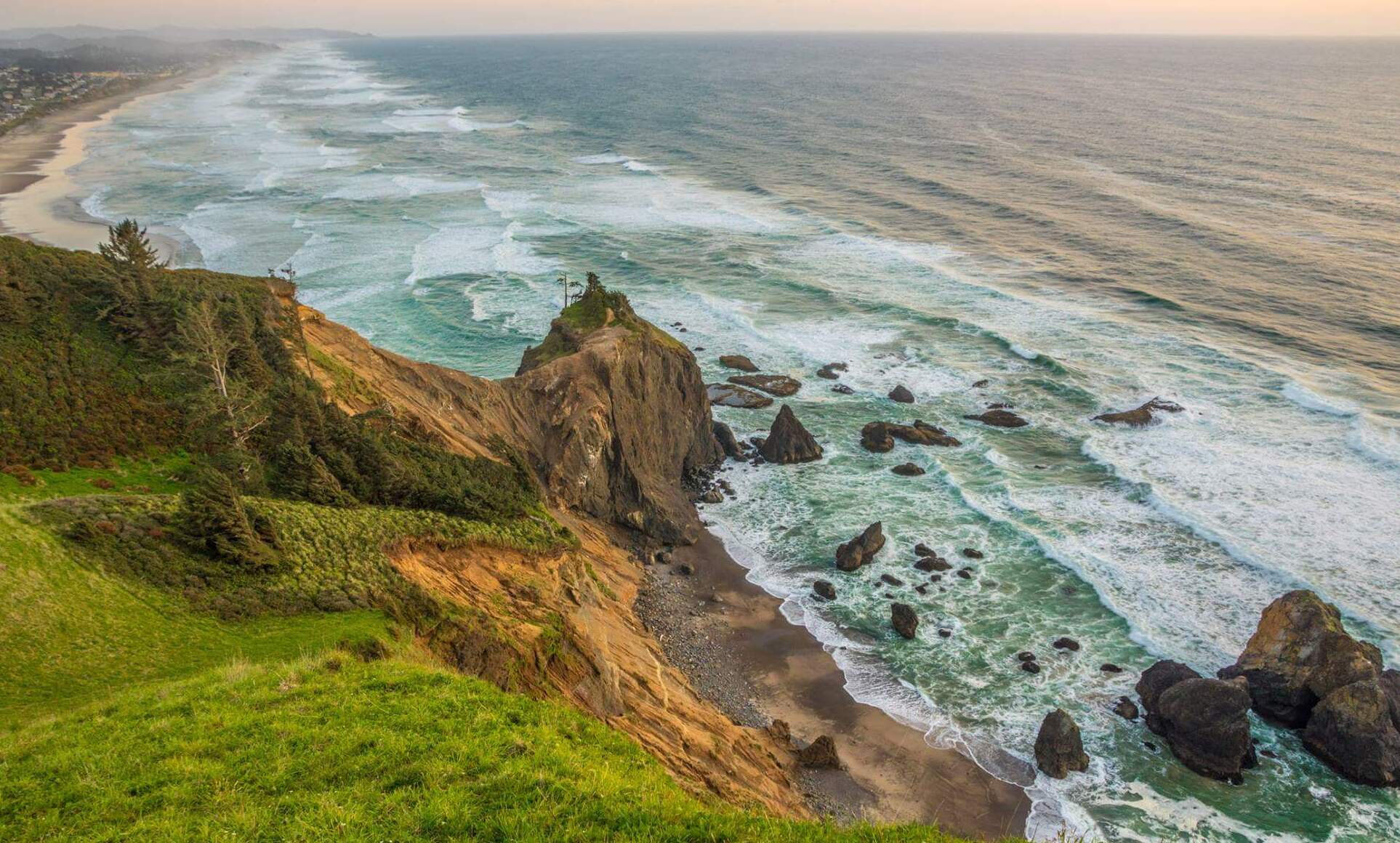
Perched along the rugged Oregon coast, God’s Thumb is a geological marvel that beckons adventurers and nature enthusiasts alike. This peculiar basalt formation, named for its resemblance to a massive thumb jutting from the earth, offers panoramic views that capture the wild beauty of the Pacific Northwest. Located near Otis, Oregon, this natural wonder is a testament to the region’s dynamic geology and its enduring allure.

The history of God’s Thumb is deeply intertwined with the natural forces that have shaped the Oregon coastline over millennia. Formed by ancient volcanic activity, the basalt that constitutes God’s Thumb is part of the larger Cascade Range, a series of volcanic mountains stretching from northern California to southern British Columbia. The indigenous peoples of the region, including the Confederated Tribes of Siletz Indians, have long revered these lands. They tell stories of the earth’s creation that reflect the deep spiritual connection between the land and its earliest inhabitants.
While God’s Thumb itself is a natural formation, the journey to reach it passes through landscapes that whisper stories of the past. The trailhead begins in the northern tip of Lincoln City, a community with a rich history dating back to the early 20th century when it was formed from several small towns to boost tourism. As you trek through the lush undergrowth, the influence of logging—which once dominated the region’s economy—can still be felt in the towering evergreens that now reclaim the land.
Artistic expression in the area is primarily inspired by the stunning natural surroundings. Local galleries in nearby Lincoln City display works by artists who capture the essence of the coastal landscape. The Lincoln City Cultural Center often features pieces that depict the dramatic interplay of light and shadow on the cliffs and sea, echoing the views from God’s Thumb.
Cultural traditions in the region are heavily influenced by its maritime heritage and the diverse communities that have settled here. The annual Kite Festival, held in Lincoln City, celebrates the coastal winds that are integral to the area’s identity. This vibrant event fills the skies with color and creativity, drawing visitors and locals alike. The local culture also celebrates its Native American roots through events like the Siletz Pow-Wow, which honors the traditional dances, music, and crafts of the Siletz Tribe.
In terms of gastronomy, the Oregon coast is renowned for its fresh seafood. Visitors to the area can savor dishes like Dungeness crab, known for its sweet, tender meat, and locally sourced oysters. The region’s culinary offerings are complemented by Oregon’s burgeoning craft beer scene, with breweries in nearby towns offering a range of ales that pair perfectly with the salty sea air.
For those seeking lesser-known curiosities, the area around God’s Thumb offers hidden gems. The Cascade Head Scenic Research Area, a UNESCO Biosphere Reserve, is located nearby and is home to rare plant species and diverse wildlife. Additionally, the Devil's Lake, a freshwater body nestled just inland, provides a stark contrast to the oceanic landscape and offers opportunities for kayaking and fishing.
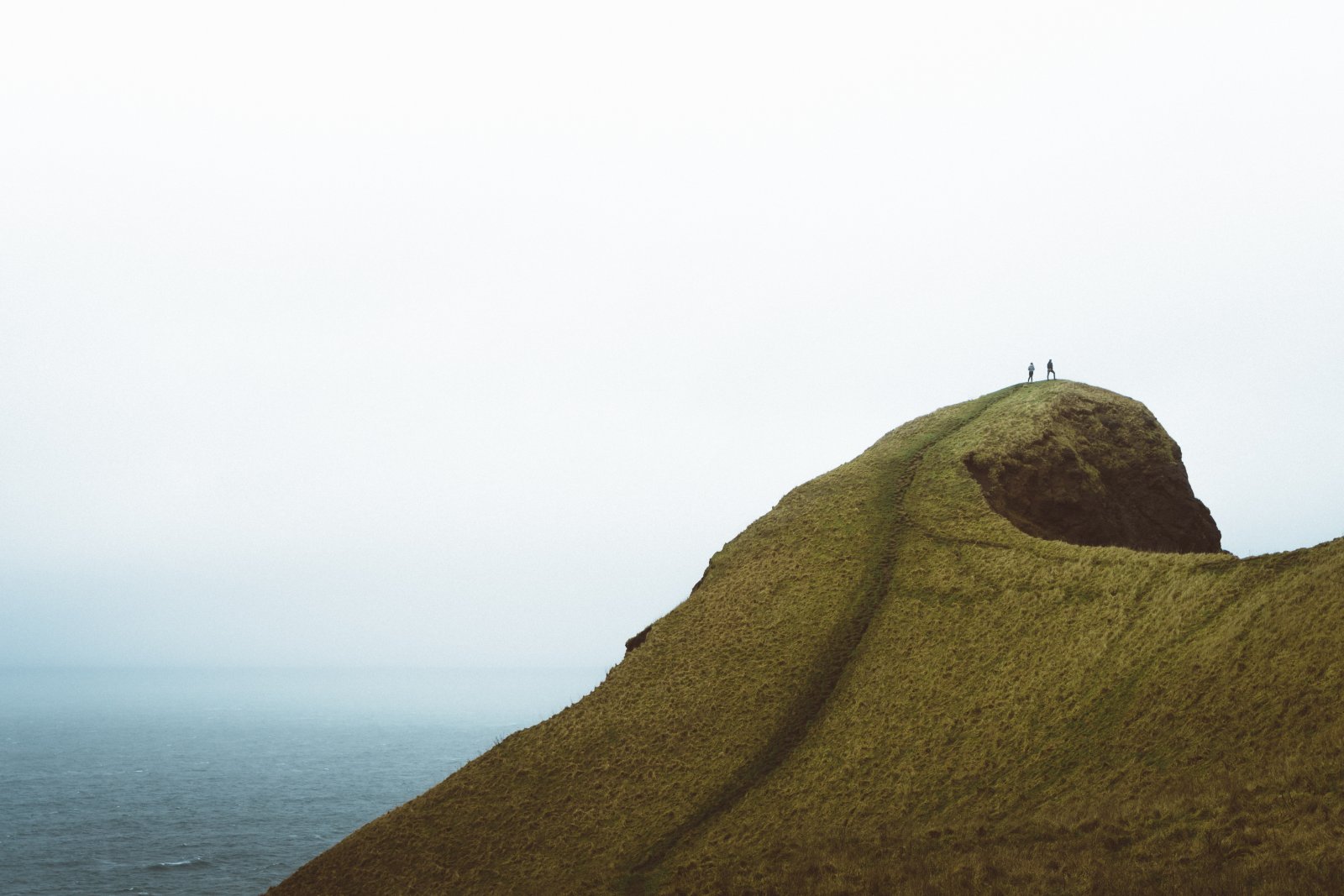
Practical information is essential for anyone planning a visit to God’s Thumb. The best time to explore is during the late spring through early fall when the weather is most favorable. The trail, while relatively short at approximately 4 miles round trip, can be steep and muddy, so sturdy footwear is recommended. Early morning visits often afford the clearest views, as fog can roll in from the Pacific, obscuring the horizon. Always check local weather conditions before heading out, as coastal weather can change rapidly.
As you ascend the trail and reach the grassy knoll atop God’s Thumb, take a moment to breathe in the crisp, salty air and let the vistas of the Pacific Ocean unfurl before you. This is a place where the earth's ancient rhythms continue to inspire awe, and where every visit becomes part of its unfolding history.
