
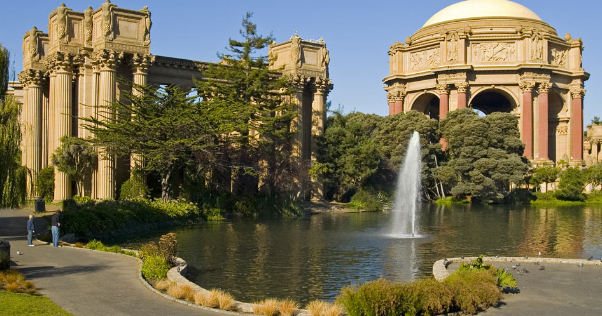

In the heart of bustling San Francisco, where the city's undulating streets meet the Pacific breeze, lies a verdant oasis of tranquility and culture: Golden Gate Park. This expansive urban park, stretching over 1,000 acres, is a testament to vision, resilience, and the human spirit's desire to blend nature with the urban landscape.
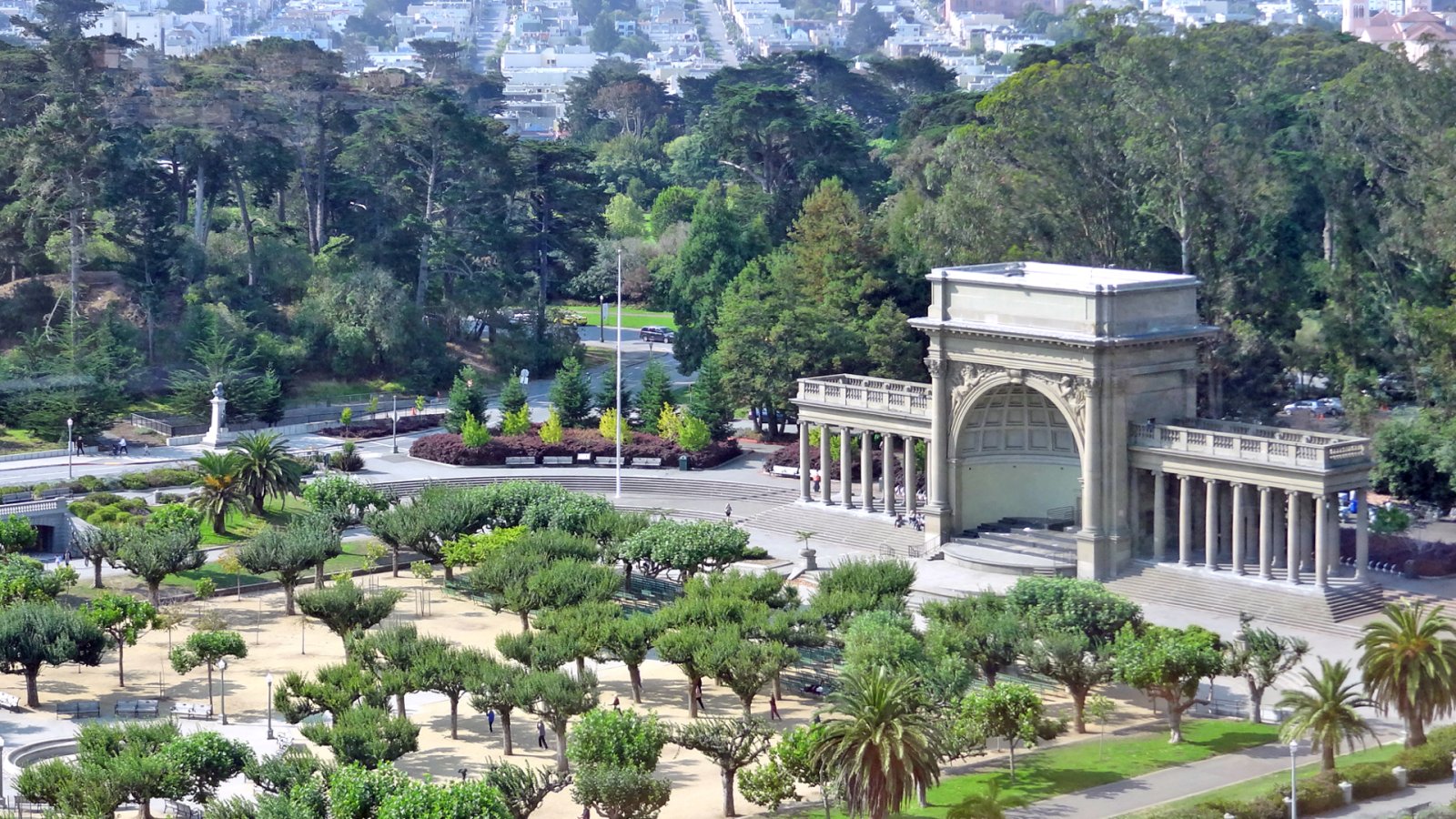
The story of Golden Gate Park begins in the late 19th century, a time when San Francisco was rapidly transforming from a Gold Rush boomtown into a bustling city. Conceived in 1866 and officially established in 1870, the park was a response to the city's growing need for public green spaces, inspired by the success of New York's Central Park. The park's creation was an ambitious endeavor led by visionaries such as engineer William Hammond Hall and master gardener John McLaren. They transformed a windswept expanse of sand dunes into a lush, thriving ecosystem, a feat of ingenuity that stands as a testament to their foresight and dedication.
Golden Gate Park is not just a botanical marvel but also a tapestry of art and architecture. The de Young Fine Art Museum, with its striking copper-clad tower, offers sweeping views of the city and houses a diverse collection of American art from the 17th through the 21st centuries. Nearby, the California Academy of Sciences stands as a beacon of modern sustainable architecture, its living roof a nod to the park’s ecological roots. Within its walls, visitors can explore a rainforest, an aquarium, and a planetarium, all under one roof.
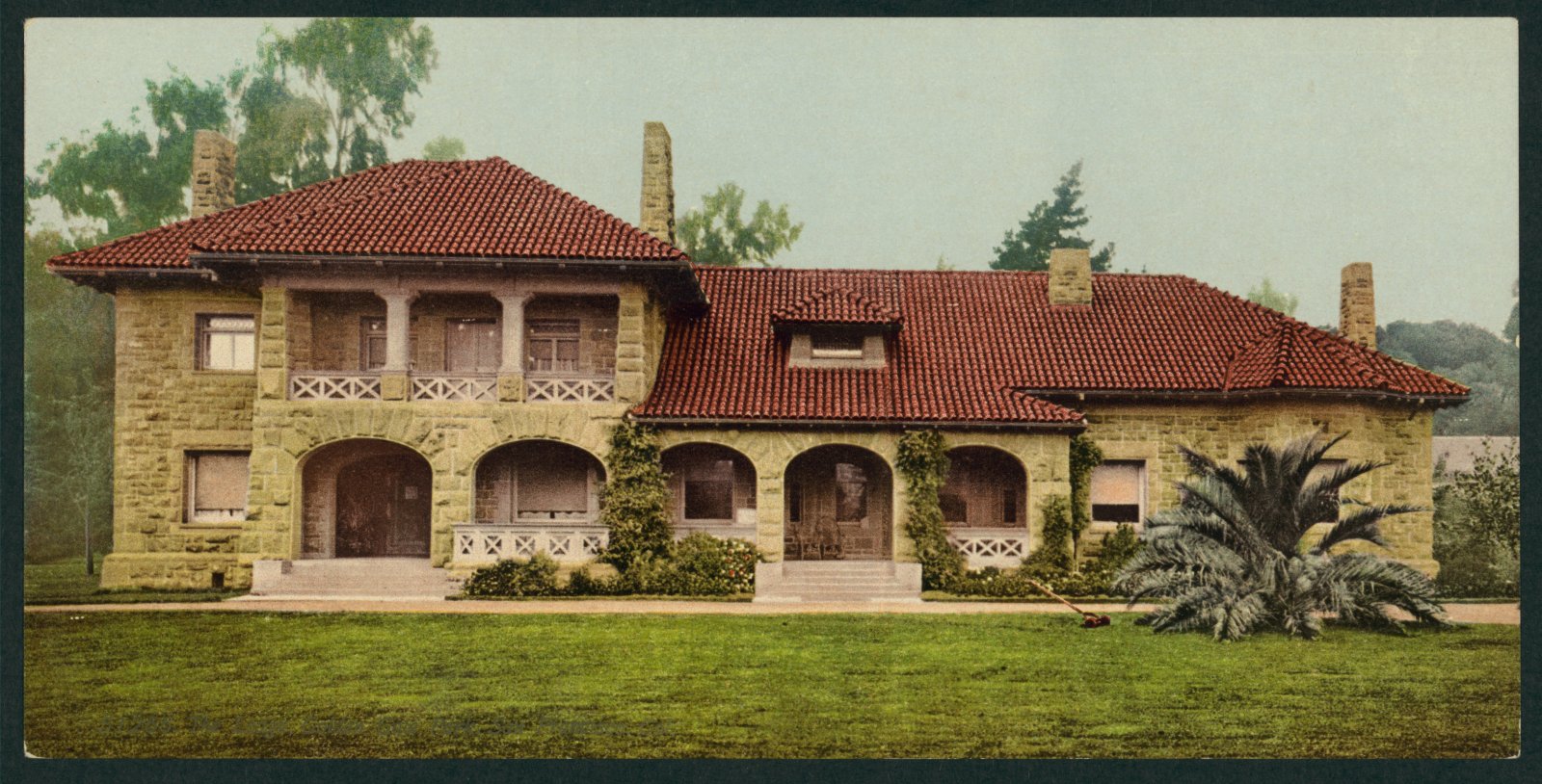
The park is also home to the serene Japanese Tea Garden, the oldest of its kind in the United States. Designed by Makoto Hagiwara, this tranquil space offers a glimpse into Japanese culture with its meticulously maintained gardens, koi ponds, and the iconic drum bridge. It’s a place where art and nature seamlessly intertwine, inviting contemplation and reflection.
Culture thrives within the boundaries of Golden Gate Park, where local traditions and festivals breathe life into its pathways. The park hosts annual events like the Hardly Strictly Bluegrass Festival, a free, three-day concert that celebrates a wide array of musical genres. Each year, the San Francisco Shakespeare Festival brings the Bard’s works to life in the open air, drawing thousands to its performances.
A visit to Golden Gate Park wouldn’t be complete without indulging in the gastronomy that reflects the diverse tapestry of San Francisco. Within the park, the Tea House in the Japanese Tea Garden offers traditional Japanese green tea and sweet rice cakes, providing a delicate taste of Japan amidst Californian greenery. Nearby, the Park Chalet serves up hearty, coastal-inspired dishes that echo the flavors of the Pacific, featuring locally-sourced ingredients and fresh seafood.
Beyond the well-trodden paths lie lesser-known curiosities that intrigue the adventurous visitor. The Bison Paddock, for instance, is home to a small herd of American bison, a nod to the park's eclectic history and a surprising sight in an urban setting. The Windmills, located at the park's western edge, were once vital to the park's irrigation system and now stand as historical monuments, their silhouettes iconic against the setting sun.
Practical information is vital for making the most of a visit to this urban sanctuary. The park is accessible year-round, but the best time to visit is during the spring or fall when the weather is mild, and the gardens are in full bloom. For those seeking a quiet retreat, weekdays are preferable to the bustling weekends. As you explore, take advantage of the park’s free shuttle service, which makes it easy to navigate the extensive grounds without missing any of its hidden treasures.
Whether you are an art enthusiast, a music lover, or simply seeking solace in nature, Golden Gate Park offers a little something for everyone. Its history, culture, and natural beauty invite you to explore, reflect, and discover the myriad stories that have unfolded within its lush embrace.


