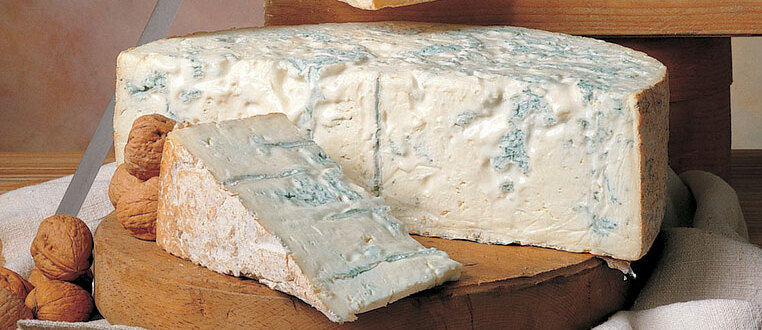

In the heart of Northern Italy, nestled between the picturesque Piedmont and Lombardy regions, lies the quaint town of Gorgonzola. Renowned for giving its name to one of the country's most beloved cheeses, this charming locale is a treasure trove of history, culture, and gastronomic delight.
### History and Origins
The origins of Gorgonzola cheese trace back to the Middle Ages, around the 9th century, when local farmers began experimenting with the milk from their cows. The earliest records mention the cheese in 879 AD, but its production gained significant traction in the 11th century. It was during this time that Gorgonzola emerged as a staple among the local populace, with its rich flavors becoming a part of the region's culinary identity.
In 1996, Gorgonzola cheese was granted DOP (Denominazione di Origine Protetta) status, protecting the traditional methods of production and ensuring that only cheese produced in specific areas could carry its name. Today, the production zone extends over a limited area, emphasizing the importance of local ingredients and techniques, a practice that continues to this day.
### Art and Architecture
While Gorgonzola is primarily celebrated for its culinary heritage, the town itself boasts a variety of architectural gems. The Chiesa di San Vittore, dating back to the 12th century, exemplifies Romanesque architecture with its simple yet elegant stone façade and intricate interior frescoes.
Strolling through the streets, visitors can admire the quaint buildings that reflect the area’s agricultural past, many adorned with decorative elements that tell stories of the town's history. Not far from the church lies the Casa della Cultura, a cultural center that often hosts exhibitions showcasing local artists, blending the rich history of Gorgonzola with contemporary creativity.
### Local Culture and Traditions
The culture in Gorgonzola is deeply rooted in its agricultural heritage. Local customs include the annual Sagra del Gorgonzola, a festival celebrating the beloved cheese, typically held in September. This vibrant event features tastings, cooking demonstrations, and live music, drawing locals and visitors alike to celebrate the town's most famous export.
Moreover, the community takes pride in their artisan traditions, with many families passing down cheese-making techniques through generations. This commitment to craftsmanship is evident in the rich flavors and quality of Gorgonzola cheese, which remains a key part of the local identity.
### Gastronomy
Gorgonzola's culinary scene is inextricably linked to its famous cheese. The sweet version of Gorgonzola, known for its creamy, velvety texture and subtly musky aroma, is particularly favored among locals. It pairs beautifully with pear slices, walnuts, or as a luxurious addition to risottos and pasta dishes.
In addition to cheese, the region offers a variety of local wines, notably Barbera and Dolcetto, which complement the rich flavors of Gorgonzola. Visitors should also try the panettone—a traditional sweet bread typically enjoyed during festive seasons, showcasing the area’s dedication to quality ingredients and artisanal craftsmanship.
### Lesser-Known Curiosities
Many tourists overlook the Museo della Civiltà Contadina, a hidden gem that provides insight into the rural traditions of the region. Housed in a restored farmhouse, the museum offers a fascinating glimpse into the agricultural practices that have shaped the area over centuries. Exhibits include vintage farming tools and artifacts, allowing visitors to appreciate the labor and love that go into cheese production.
Another intriguing fact is that Gorgonzola cheese is one of the few blue cheeses that have received a DOP designation, emphasizing its exceptional quality and the unique methods employed in its creation. The cheese's characteristic blue veins are formed by introducing Penicillium roqueforti during the aging process, a technique that has been refined over generations.
### Practical Visitor Information
The best time to visit Gorgonzola is during the warmer months, from May through September, when the weather is pleasant, and local festivals abound. For those looking to delve deeper into the world of cheese, consider participating in a cheese-making workshop, often offered by local dairies.
When exploring the town, take time to wander through local markets and delicatessens, where you can taste fresh Gorgonzola and purchase artisanal products. Don’t forget to enjoy a leisurely meal at a local trattoria, savoring the regional specialties that highlight this unique cheese.
In planning your visit, the Secret World app can help you create a personalized itinerary that ensures you experience the best of Gorgonzola.
