
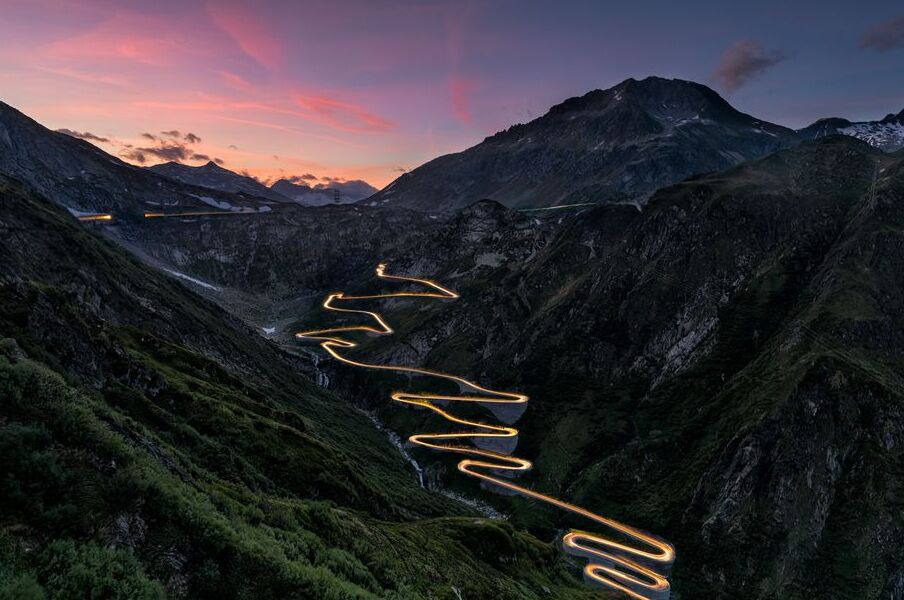

The Gotthard Pass, or Passo San Gottardo, stands as one of the most significant alpine crossings in Switzerland, linking the northern regions to the south. At an elevation of 2,106 meters, it not only offers breathtaking views but is steeped in a rich tapestry of history and culture that dates back centuries.
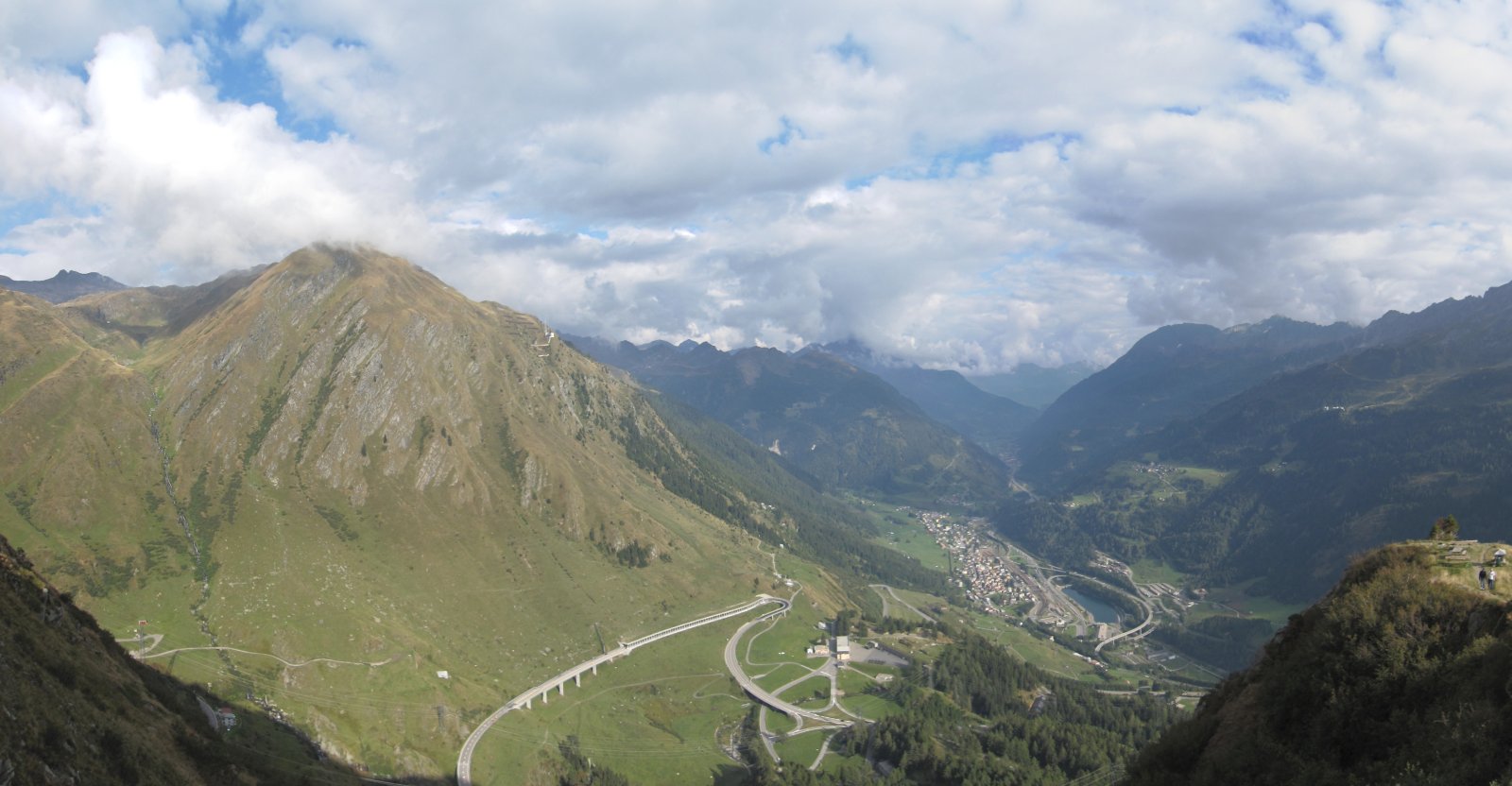
History and Origins The origins of the Gotthard Pass can be traced back to ancient times when it was a mere footpath used by traders and travelers navigating the harsh terrain of the Swiss Alps. Early records of human activity in the region date back to the Roman Empire, although the pass itself was avoided due to the treacherous Reuss River and the dramatic cliffs of the Schöllenen Gorge. It wasn’t until the 13th century that the first significant construction effort took place, with the completion of the Devil's Bridge in 1230. This medieval marvel became a crucial link for travelers, even as legends grew around its creation, including tales of the devil himself being involved in its construction.
By the 19th century, as the demand for efficient transport routes increased, the first road over the pass was opened in 1830, revolutionizing travel through the Alps. The subsequent construction of the Gotthard Rail Tunnel in 1882 marked a new era of connectivity, although it came with a heavy toll—177 lives were lost during its construction. The motorway tunnel, opened in 1980, is now one of the longest road tunnels in the world, offering a more modern, albeit less scenic, route over this historic pass.
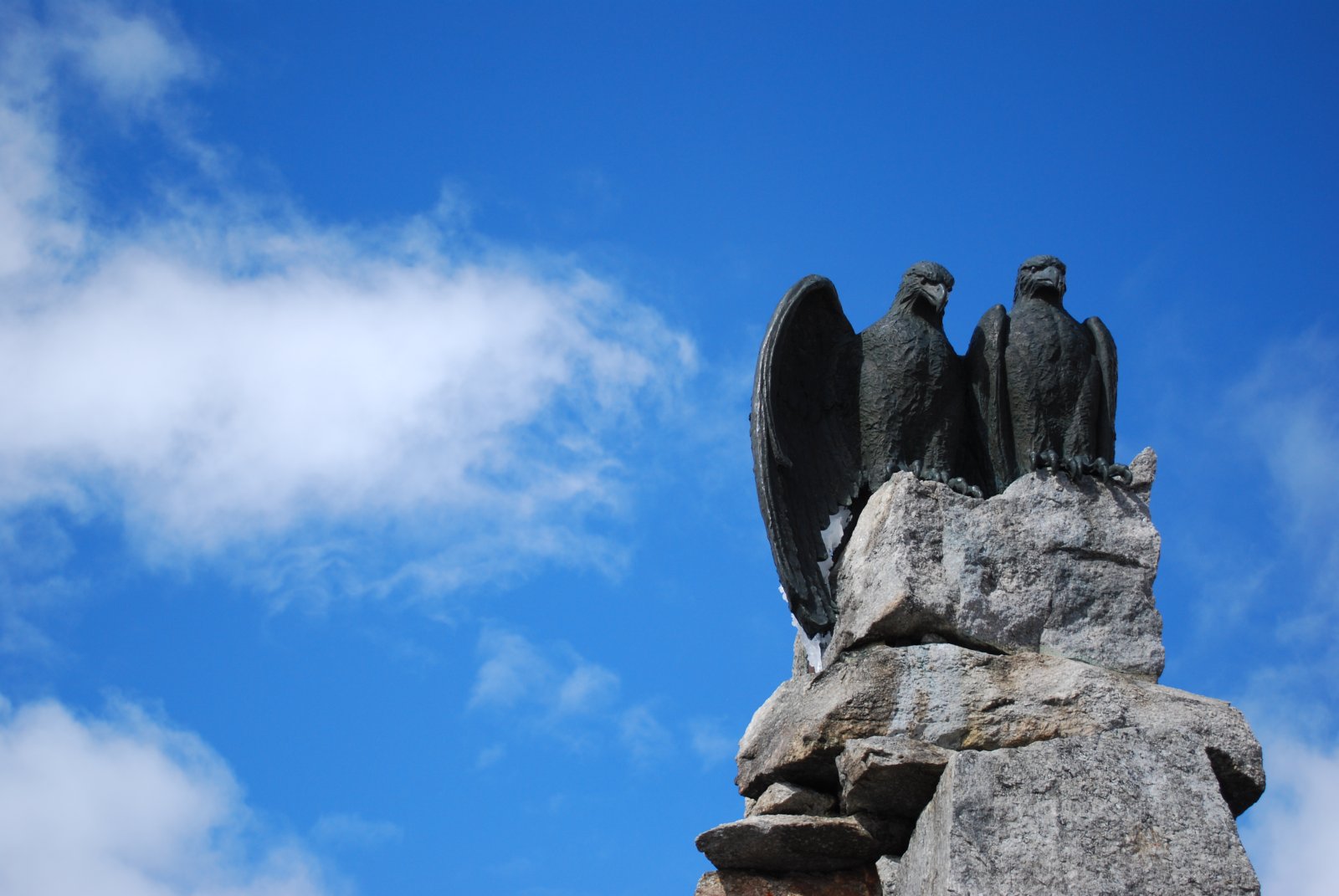
Art and Architecture The architectural significance of the Gotthard Pass is highlighted by the Devil's Bridge, which is a stunning example of medieval engineering. The bridge features a single arch that spans the gorge, its design embodying the artistic style of the time. The surrounding area is dotted with quaint villages, where traditional Swiss chalets reflect the alpine architectural style characterized by wooden structures and sloping roofs, perfectly adapted to the harsh mountain climate.
In addition to its structures, the region is rich in artistic significance. The Gotthard Pass has inspired many artists and writers throughout history, drawn by its natural beauty and mythic qualities. Today, visitors can explore various art installations and exhibitions that celebrate the cultural heritage of this unique location.
Local Culture and Traditions The local culture around the Gotthard Pass is vibrant and steeped in tradition. The region is home to several local customs and festivals that showcase Swiss heritage. One such festival is Alpabzug, where herders drive their cattle down from the mountain pastures in autumn, adorned with flowers and bells. This event not only celebrates the end of the grazing season but also highlights the longstanding traditions of alpine farming.
Additionally, the Gotthard Pass area is known for its strong sense of community, where locals take pride in their customs, crafts, and the preservation of their cultural identity. The blend of German, Italian, and Romansh influences creates a unique cultural tapestry, evident in local dialects, art forms, and culinary practices.
Gastronomy No visit to the Gotthard Pass would be complete without indulging in its local gastronomy. The region is famous for Älplermagronen, a hearty dish made from potatoes, pasta, and cheese, often served with apple sauce. Another local specialty is Rösti, a crispy potato dish that is a staple of Swiss cuisine.
For a sweet treat, visitors should try Tirggel, a traditional honey cookie, especially popular during the festive season. Pair these dishes with a glass of Fendant, a white wine from the nearby Valais region, or a robust Grappa, to truly savor the flavors of the Gotthard Pass.
Lesser-Known Curiosities While many tourists flock to the Devil's Bridge, fewer are aware of the Gotthard Hospice, a historical inn established in the 13th century to aid weary travelers. This inn not only served as a resting place but was also a vital refuge during harsh weather conditions.
Another fascinating fact is that the Gotthard Pass is home to the Gotthard Massif, which is a geological wonder featuring a mix of rock formations, including granite and gneiss. This area is also a significant part of the Swiss National Park, making it a perfect destination for nature lovers and hikers.
Practical Visitor Information The best time to visit the Gotthard Pass is during the summer months, from June to September, when the weather is typically mild and ideal for hiking and exploring. However, autumn offers a spectacular display of fall foliage, while winter transforms the pass into a snowy wonderland, perfect for skiing enthusiasts.
Travelers should be prepared for varying weather conditions and should always check road accessibility before planning their journey. For those looking to enjoy the stunning views, take the time to stop at the many lookouts along the route, each offering unique perspectives of the majestic landscapes.
Whether you're a history buff, an art lover, or a culinary enthusiast, the Gotthard Pass is a treasure trove of experiences waiting to be uncovered. To make the most of your adventure, consider using the Secret World app for a personalized itinerary that highlights the best of this remarkable alpine destination.


