
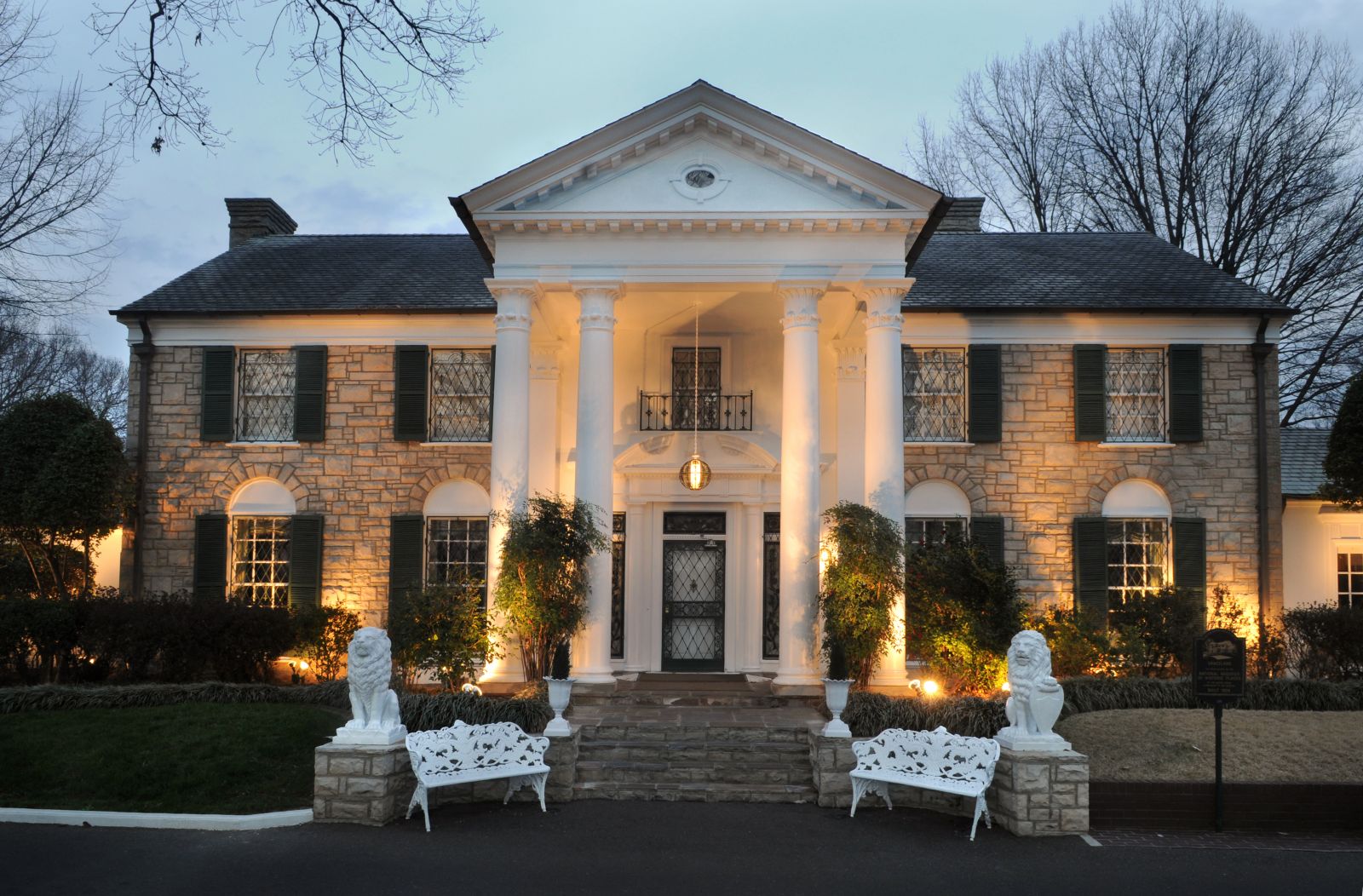

In the heart of Memphis, Tennessee, nestled amid the vibrant rhythm of a city steeped in musical heritage, lies Graceland, a place where time seems to dance between the past and present. This iconic estate, sprawling over 13.8 acres, is not just a mansion; it is a pilgrimage site for fans of the legendary Elvis Presley, whose influence on music and culture resonates far beyond the borders of the United States.
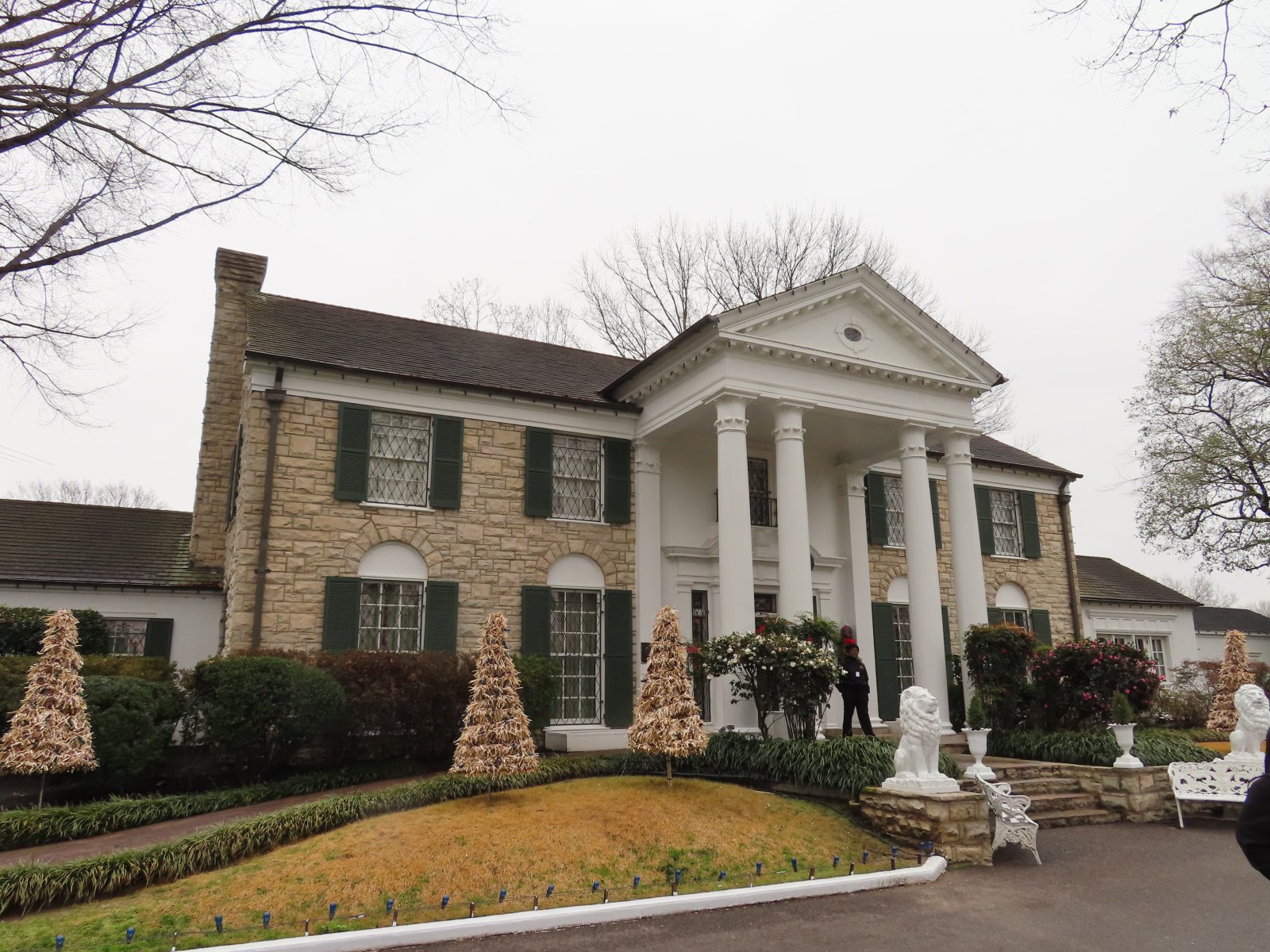
The history of Graceland begins long before Elvis Presley set foot on its grounds. Built in 1939 by Dr. Thomas Moore and his wife Ruth, the mansion was named after Ruth's aunt, Grace. The Colonial Revival-style architecture of the estate reflects a period of American history characterized by classical symmetry and grandeur. When Presley purchased it in 1957 for $102,500, Graceland became more than a home; it transformed into a symbol of his unparalleled success and artistic innovation.
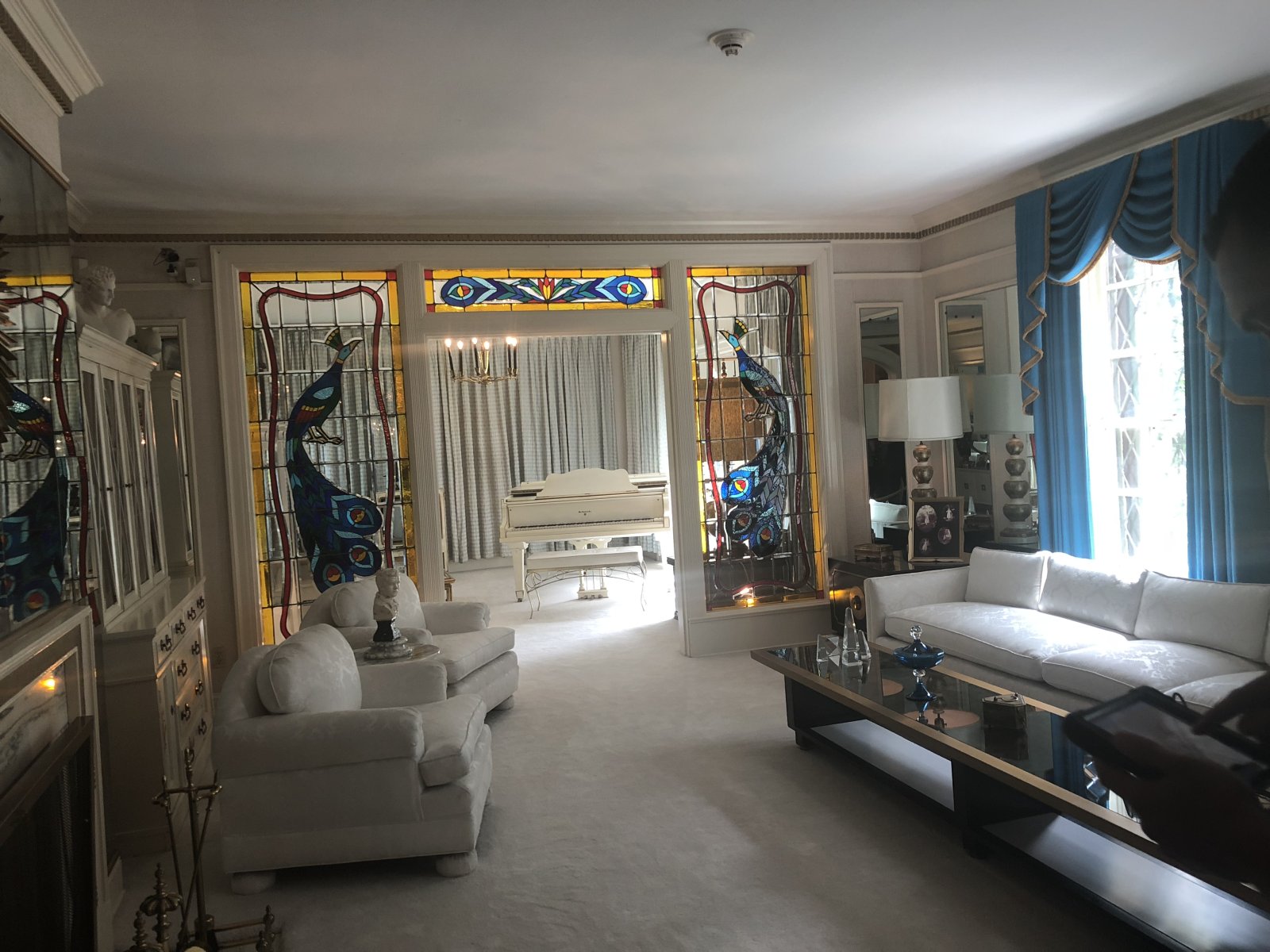
Architecturally, Graceland is a study in both opulence and personal taste. The mansion's white-columned facade is understated yet stately, but it is the interior that truly captures the imagination. The Jungle Room, with its Polynesian-inspired design, features green shag carpeting and carved wooden furniture, embodying the eclectic style that Presley favored. The Trophy Building houses an array of Elvis's gold records and costumes, serving as a testament to his extraordinary career. Each room tells a story, not just of a superstar's lifestyle, but of a man who embraced both simplicity and extravagance.
Culturally, Graceland is a vibrant tapestry interwoven with the spirit of Memphis, a city renowned for its deep musical roots. Every August, the estate becomes the epicenter of Elvis Week, a celebration of the King’s legacy that draws fans from around the globe. This week-long festival is marked by tributes, concerts, and the candlelight vigil, where thousands gather to honor Presley's memory in a poignant display of collective admiration and nostalgia.
Memphis is also a city that delights the palate, and a visit to Graceland wouldn't be complete without indulging in some of the local gastronomy. The estate itself offers a taste of Elvis's favorites at the Graceland Mansion Restaurant. Here, visitors can savor a fried peanut butter and banana sandwich, a quirky culinary creation synonymous with the King. For a broader culinary experience, Memphis offers a rich array of Southern delicacies, from tangy barbecue ribs to sweet pecan pie, each dish telling a story of cultural fusion and tradition.
Beyond the well-trodden paths of Graceland's main attractions lie lesser-known curiosities that intrigue the curious visitor. One such gem is the Meditation Garden, the serene resting place of Elvis and his family. This tranquil corner of the estate offers a moment of reflection amidst the fervor of fanfare. Additionally, few realize that Graceland was one of the first properties in Memphis to be designated a National Historic Landmark, highlighting its cultural significance not just as a former home, but as a site of historical importance.
For those planning a visit, practical information can enhance the experience. The best time to explore Graceland is during the spring or fall when the Tennessee weather is pleasantly mild. To avoid the crowds, consider visiting early in the morning or late in the afternoon. While exploring, take note of the details—like Elvis's personal touches in the racquetball building or the quaint charm of the kitchen, which offer intimate glimpses into his daily life.
Graceland, with its blend of history, art, and cultural vibrancy, is more than a monument to a music legend; it is a living narrative that continues to inspire and captivate. As visitors walk through its halls, they are not just stepping into the world of Elvis Presley but into a piece of American history that echoes with the melodies of the past and the whispers of an enduring legacy.


