



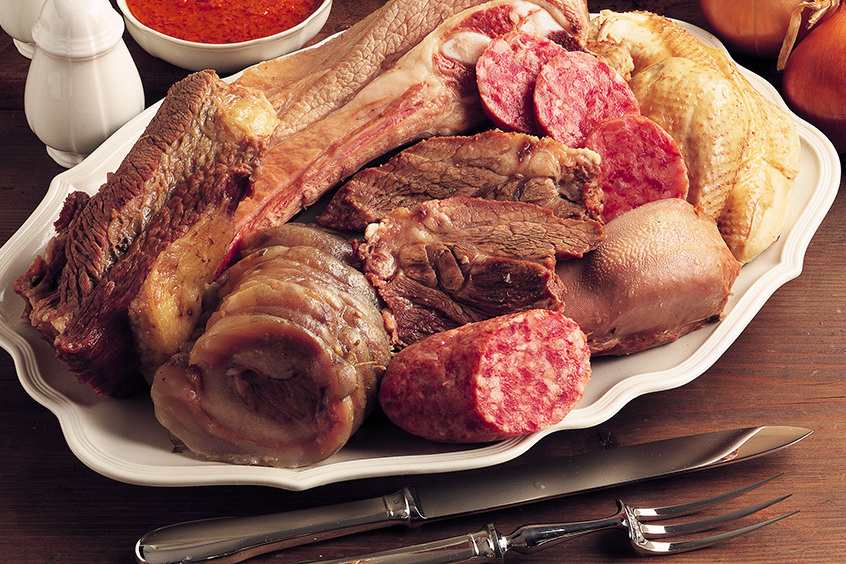
Nestled in the heart of Piedmont, Italy, the Gran Bollito misto alla piemontese is more than just a dish; it is a culinary celebration steeped in history and tradition. Often referred to as the "Bollito storico risorgimentale piemontese," this rich boiled meat dish is a testament to the region's cultural heritage and was a favorite of King Vittorio Emanuele II, the first king of unified Italy.
### History and Origins
The roots of Bollito misto can be traced back to the noble kitchens of the Piedmontese aristocracy in the 19th century. It was during the Risorgimento, a pivotal period of Italian unification from the early to mid-1800s, that this dish gained its royal endorsement. The complex layers of flavors and techniques reflect the region's agricultural bounty and culinary craftsmanship. As the dish evolved, it became a symbol of national pride, especially during festive gatherings and significant events.
In the kitchens of Turin, the dish showcases both the simplicity and sophistication of Italian cuisine. It represents a fusion of various influences, including French culinary techniques, which were prevalent during the era of the Savoia dynasty. The presentation and preparation of the Gran Bollito are as important as the ingredients themselves, highlighting the meticulous care that goes into this traditional dish.
### Art and Architecture
While Gran Bollito misto is a culinary masterpiece, the architectural landscape of Turin mirrors its rich history. The city is renowned for its baroque architecture, particularly the Palazzo Reale, which served as the residence for the House of Savoy. The intricate designs and grandiose structure echo the opulence of the meals served within its walls.
Another architectural gem is the Mole Antonelliana, a towering symbol of Turin that originally housed the city's Jewish Museum. Its unique silhouette and detailed interiors reflect the artistic spirit of the region. Walking through the streets of Turin, visitors can appreciate the beauty of the buildings while imagining the sumptuous feasts that once took place inside.
### Local Culture and Traditions
In Piedmont, food is at the heart of social gatherings and cultural celebrations. The preparation and enjoyment of Gran Bollito misto are often accompanied by communal traditions, where families and friends come together to savor each component of the dish.
One of the most notable festivities is the Festa del Bollito, celebrated annually in various towns across the region, where locals gather to honor this traditional dish. This event features cooking demonstrations, tastings of various meats, and an array of regional wines, reinforcing the communal bond through shared culinary experiences.
### Gastronomy
Gran Bollito misto consists of seven primary cuts of beef, each contributing to the dish's rich flavor profile. These cuts are boiled together in a large pot, while additional meats, called ammenicoli, are prepared separately. The dish is served with seven sauces, including the vibrant bagnet verd (a green sauce made with parsley, garlic, and anchovies) and bagnet ross (a red sauce made with tomatoes and pepper).
Complementing the meats are traditional sides like boiled potatoes, sautéed mushrooms, spinach in butter, and sweet and sour onions. As a finishing touch, a steaming cup of broth is served at the end of the meal, warming the body and soul, especially during the colder months.
Piedmont is also famous for its exceptional wines, with Dolcetto, Barbera, and Grignolino being perfect companions to the hearty dish, enhancing the flavors and providing a delightful balance.
### Lesser-known Curiosities
What many travelers may not know is that Gran Bollito misto was traditionally served on special occasions, including Christmas and New Year’s celebrations. It is said that the dish was so beloved that it found its way into the kitchens of peasant families, who adapted it with whatever meats were available, ensuring that everyone could partake in its warmth and richness.
Another fascinating detail is the use of specific cuts of meat. The choice of these cuts is significant, as each brings a unique texture and flavor to the table. The meticulous selection process is passed down through generations, with families often having their own secret recipes and methods of preparation.
### Practical Visitor Information
The best time to experience Gran Bollito misto in Piedmont is during the colder months, particularly from late autumn to early spring. This is when the dish is typically featured in local restaurants and during festivals.
For visitors, seeking out traditional trattorias in Turin is essential, where the ambiance reflects the city's rich culinary heritage. Don’t hesitate to ask locals for recommendations, as hidden gems often provide the most authentic experiences.
To truly immerse yourself in the culture, consider joining a cooking class where you can learn the art of preparing this beloved dish firsthand.
When planning your visit, check local event calendars for food festivals, which often include tastings of Gran Bollito and other regional specialties.
For an unforgettable journey through the heart of Piedmont, consider using the Secret World app to plan a personalized AI itinerary that includes culinary delights and cultural experiences.
