
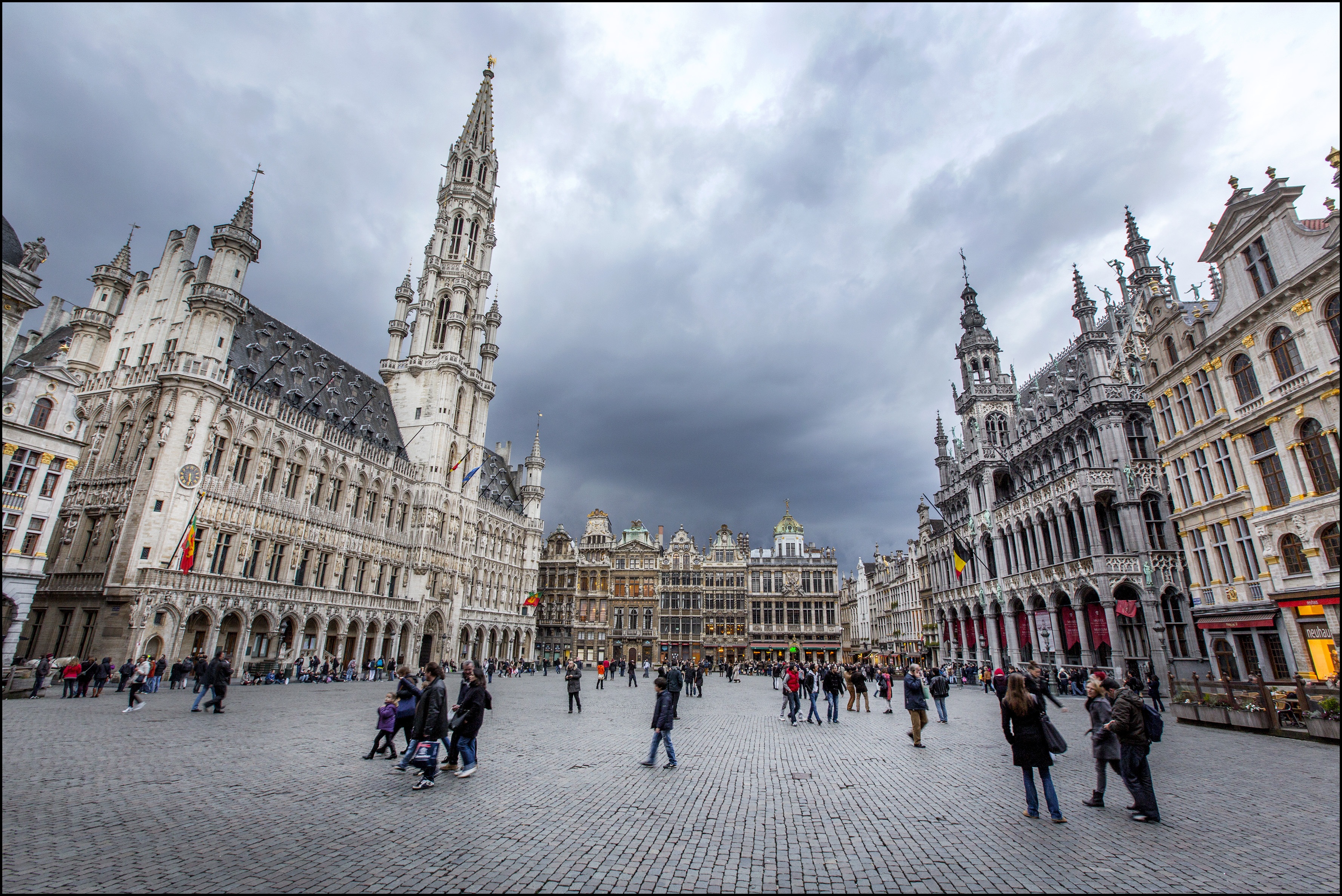

As you wander through the narrow cobbled streets of Brussels, an unexpected vastness greets you: the breathtaking Grand-Place. This UNESCO World Heritage site is not just a square; it is the beating heart of the city, steeped in centuries of history and culture.
The origins of the Grand-Place date back to the 13th century, when it served as a marketplace. Over the years, it evolved into a hub of political and social activity. The square was the site of many historical events, including the Brussels Revolution of 1830, which led to Belgium's independence from the Netherlands. The square has witnessed both the rise and fall of power, and today, it remains a testament to the city’s rich tapestry of history.
Dominating the square is the Hotel de Ville, or Town Hall, an architectural marvel built in the 15th century. This striking example of Gothic architecture features an asymmetrical façade that grabs attention at every angle. Its towering 96-meter (315-foot) spire, adorned with a gilded copper statue of St. Michael, reflects the city’s deep-rooted Catholic heritage and its historical connection with the Hapsburg monarchy. Across from the Town Hall stands the Maison du Roi (King's House), originally commissioned in 1515 and reconstructed in the 1890s. This building now houses the Musée de la Ville de Bruxelles, where visitors can admire a collection of tapestries, altarpieces, and fascinating artifacts that chronicle the city's evolution.

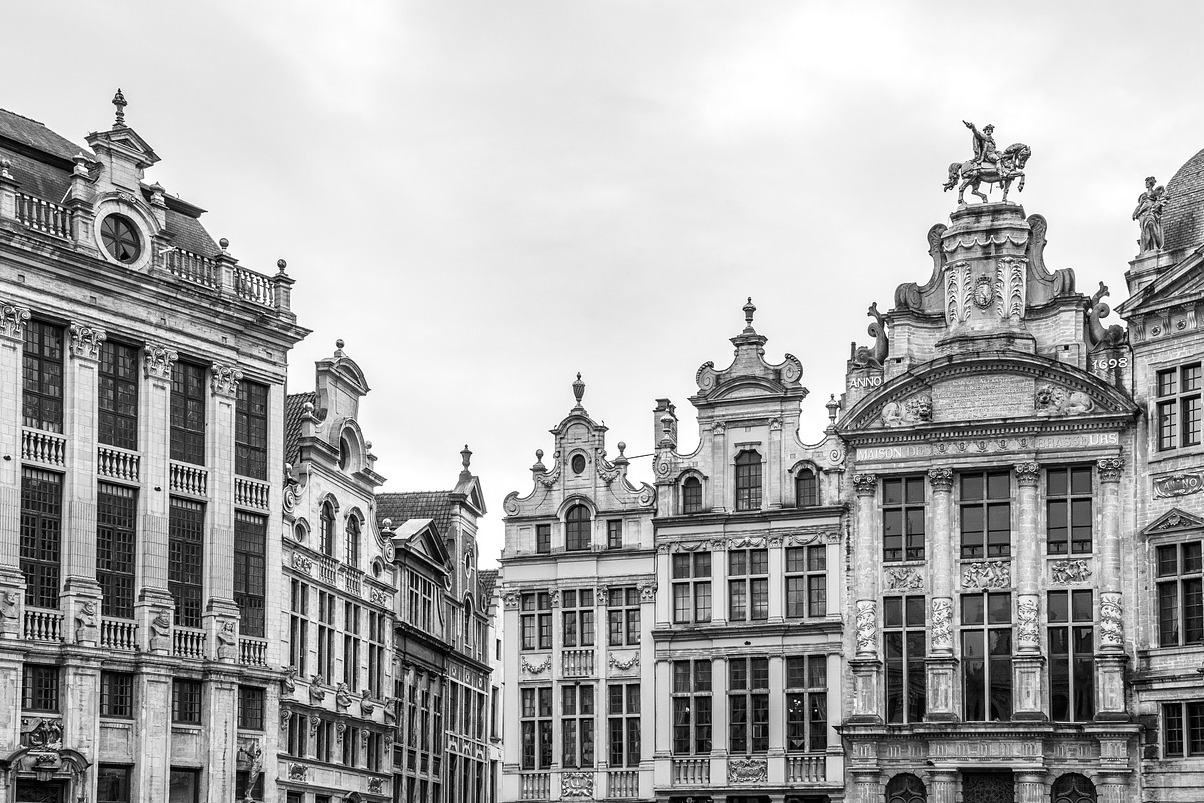
The artistic significance of the Grand-Place extends beyond its architecture. The square is framed by opulent guildhalls, each with its own unique design, showcasing the wealth and power of the various trade guilds that flourished here. The Maison des Ducs de Brabant, with its intricate carvings and gold leaf embellishments, stands as a proud reminder of the city’s artistic heritage. The annual Flower Carpet Festival, where the square is adorned with a stunning floral tapestry, celebrates this artistic spirit, drawing thousands of visitors every two years.
Local culture thrives in the Grand-Place, particularly during its many festivals. The Ommegang Festival, held in July, is a vibrant celebration featuring a historical pageant that retraces the 1560 entry of the Spanish Governor into Brussels. Revelers dress in period costumes, and the atmosphere is filled with music, dance, and local delicacies. The square is also a focal point for events like Christmas markets, where visitors can indulge in the festive spirit with lights, decorations, and local treats.
No visit to the Grand-Place would be complete without indulging in the local gastronomy. Sample Belgian waffles, crisp on the outside and fluffy inside, often topped with whipped cream, strawberries, or chocolate. Pair your treat with a glass of Belgian beer, renowned for its variety and richness. The Brussels Beer Project and the Cantillon Brewery, located nearby, offer tastings that showcase the city’s brewing traditions. Don’t miss out on the opportunity to try moules-frites (mussels and fries), a beloved dish that encapsulates the essence of Belgian comfort food.
For those willing to look beyond the obvious, the Grand-Place is full of lesser-known curiosities. The Statue of Everard 't Serclaes, a local hero who helped secure Brussels’ independence, is often touched by visitors for good luck. One can also find hidden details in the architecture, such as the golden statue of the "Manneken Pis,"** a mischievous little boy peeing into a fountain, which symbolizes the city's irreverent spirit. This playful statue is often dressed in various costumes, reflecting local culture and events.
To make the most of your visit to the Grand-Place, timing is essential. The best time to visit is during the early morning or late afternoon, when the light casts a magical glow over the buildings. Weekdays are typically less crowded than weekends, allowing you to savor the atmosphere in relative peace. Be sure to bring your camera to capture the stunning details of this architectural masterpiece.
In conclusion, the Grand-Place is a vibrant tapestry of history, artistry, and culture, making it an essential stop on any journey through Brussels. To navigate this rich experience and create a personalized itinerary, consider using the Secret World app to explore the wonders of Brussels at your own pace.


