



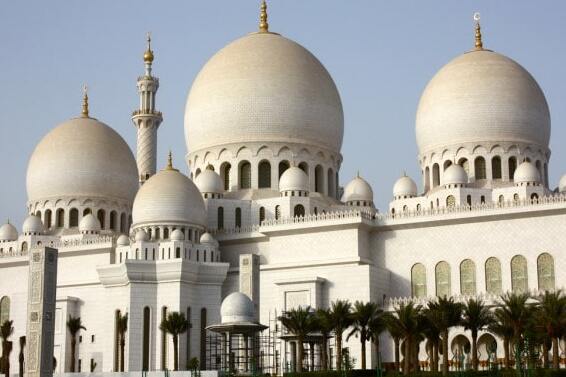
In the heart of Abu Dhabi, the Sheikh Zayed Grand Mosque stands as a beacon of both spiritual significance and architectural marvel, drawing visitors from around the globe. Named after the founding father of the United Arab Emirates, Sheikh Zayed bin Sultan Al Nahyan, this grand edifice embodies the visionary spirit and cultural richness of the region.
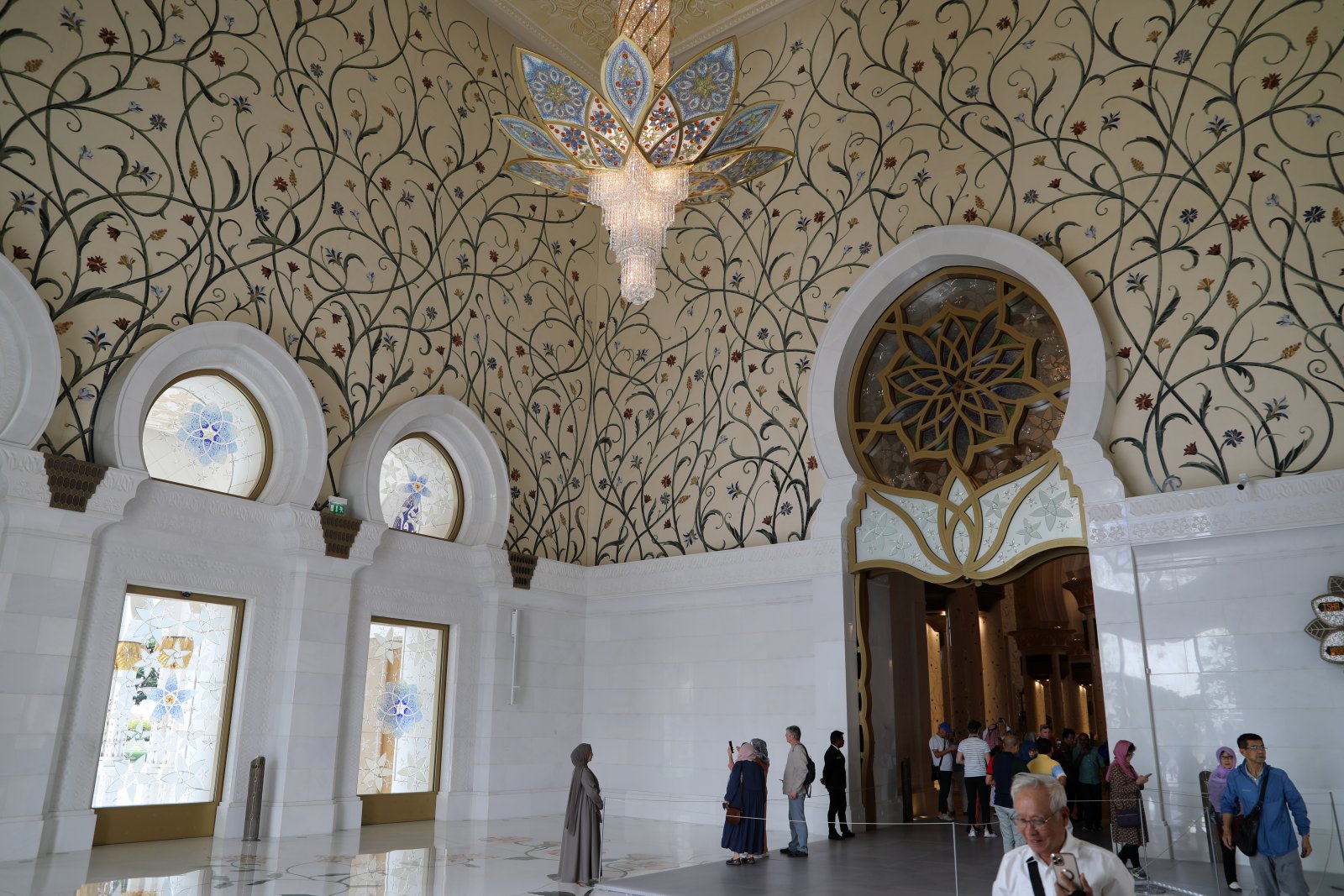
The mosque's origins trace back to the late 20th century when Sheikh Zayed envisioned a sanctuary that would reflect the Islamic world's diversity and offer a space for cultural dialogue. Construction began in 1996, and the mosque was completed in 2007, shortly after Sheikh Zayed's passing. His vision was to create a mosque that not only served as a place of worship but also as a symbol of unity, bringing together artisans and materials from various countries, including Italy, Germany, Morocco, India, Turkey, Iran, China, Greece, and the UAE.
The architectural style of the Sheikh Zayed Grand Mosque is a harmonious blend of traditional Islamic design and contemporary flair. Its pristine white facade is made from Sivec marble from Macedonia, and the mosque is adorned with intricate floral patterns inlaid with semi-precious stones. The mosque's central prayer hall houses the world’s largest hand-knotted carpet, a masterpiece crafted by 1,200 artisans from Iran. Its chandeliers, crafted by Faustig of Germany, incorporate millions of Swarovski crystals, casting a celestial glow that elevates the mosque's serene ambiance.
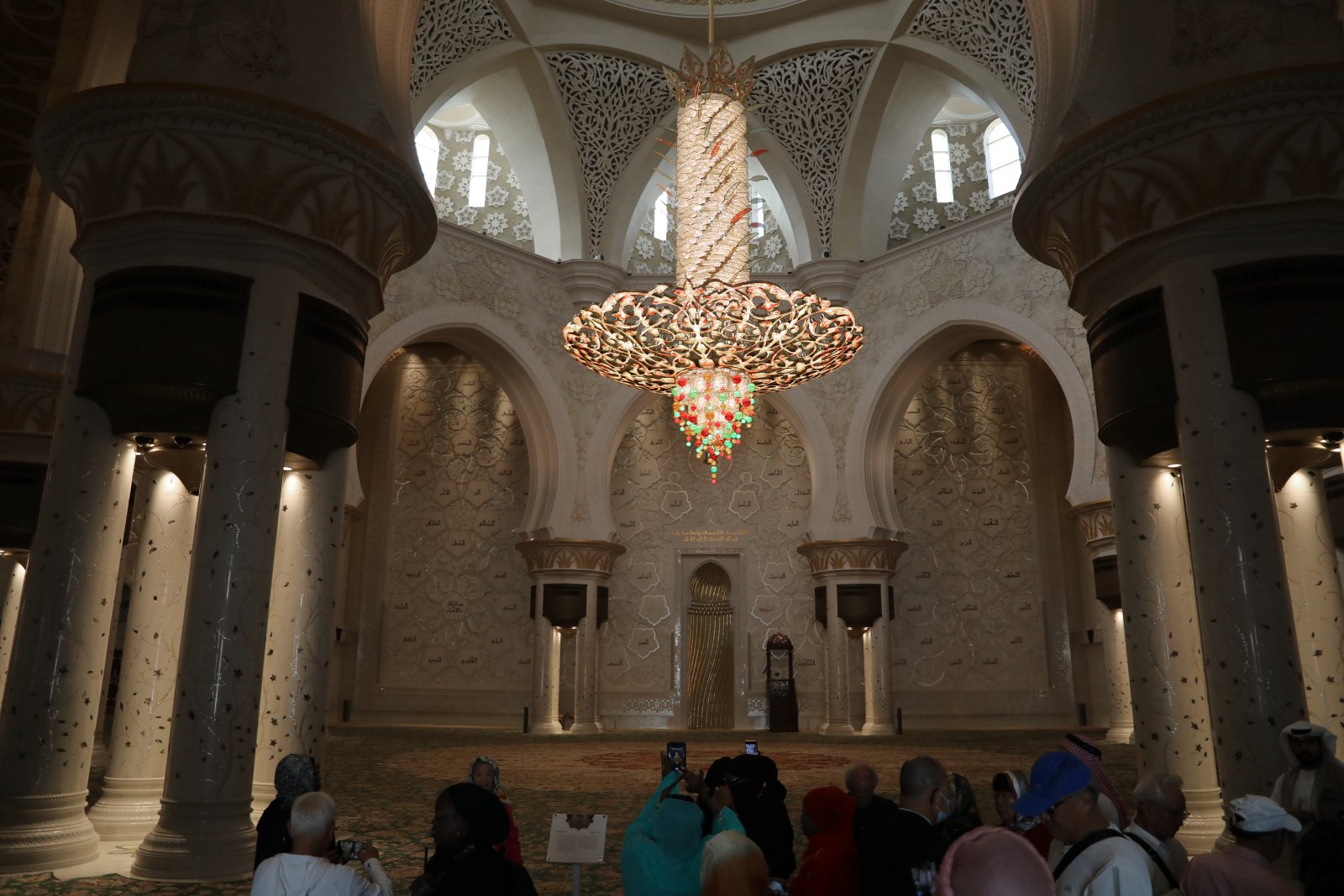
The mosque's 82 domes, each a testament to the Mughal and Moorish architectural influences, punctuate the skyline of Abu Dhabi. The reflective pools surrounding the mosque amplify its grandeur, creating a mesmerizing spectacle of light and shadow at sunrise and sunset. The mosque can accommodate over 40,000 worshippers, and its four minarets, standing at 107 meters each, serve as silent sentinels watching over the city.
In the local culture, the mosque is more than an architectural landmark; it is a vibrant center of religious and cultural life. It hosts the annual Ramadan Iftar, where thousands gather to break their fast in an atmosphere of communal harmony. The mosque also serves as a venue for cultural events and exhibitions, promoting an understanding of Islamic culture and heritage.
Food is an integral part of the cultural experience in Abu Dhabi, and the mosque's surrounding area offers a delightful taste of Emirati gastronomy. Visitors can savor traditional dishes such as machboos, a spiced rice dish with meat or fish, and luqaimat, sweet dumplings drizzled with date syrup. The nearby souks and restaurants offer a plethora of flavors that reflect the UAE's rich tapestry of culinary influences from across the Middle East and beyond.
Beyond its well-documented grandeur, the Sheikh Zayed Grand Mosque harbors lesser-known curiosities that intrigue the inquisitive traveler. One such feature is the mosque's unique lighting system, which follows the lunar phases, creating a visual metaphor for the Islamic calendar. This thoughtful design casts different hues on the mosque's surface, reflecting the waxing and waning of the moon.
For those planning a visit, the mosque is open to visitors of all faiths, and guided tours are available to provide deeper insights into its architecture and cultural significance. The best time to visit is during the cooler months from November to March, when the weather is mild. Dress modestly, with women required to wear an abaya, which is often provided at the mosque entrance. Photography is welcomed, but be mindful of prayer times when visitors are restricted to certain areas.
As one strolls through the mosque's expansive courtyards and hallways, it's easy to lose oneself in the intricate artistry and the aura of tranquility that pervades this sacred space. Whether you're a history enthusiast, an architecture aficionado, or simply a curious traveler, the Sheikh Zayed Grand Mosque offers a profound journey into the heart of the UAE's cultural and spiritual heritage.
