



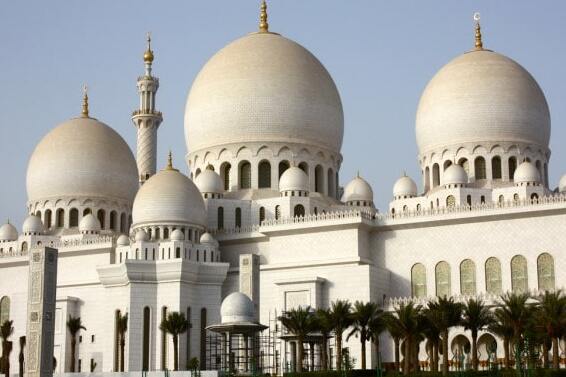
As dawn breaks over Abu Dhabi, the sun casts a golden hue on the gleaming white domes of the Sheikh Zayed Grand Mosque, a modern marvel that stands as a testament to the United Arab Emirates' rich cultural heritage and visionary future. This architectural masterpiece, completed in 2007, is not only a centre of worship but also a symbol of unity, blending traditional Islamic design with contemporary influences.
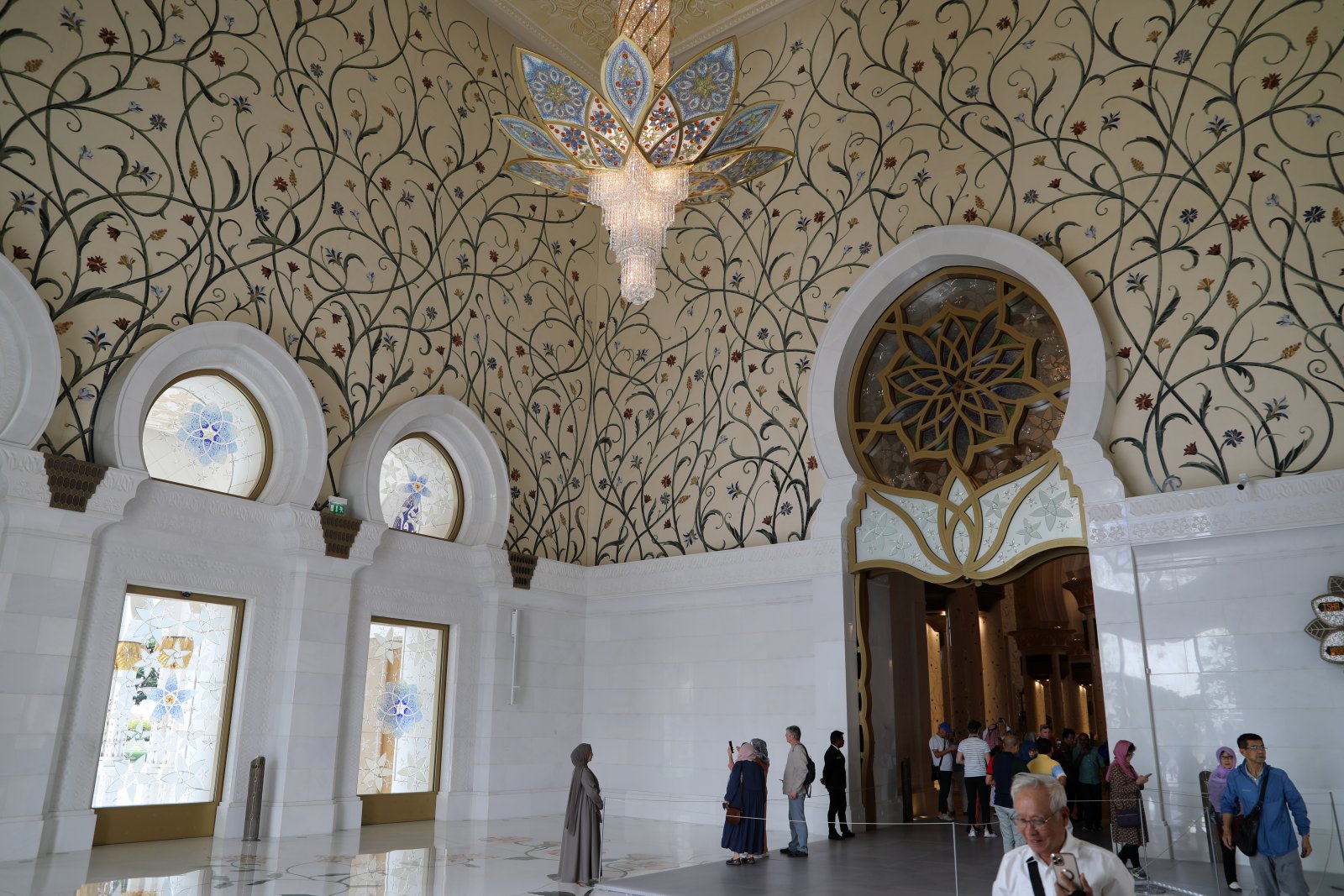
The history of the Sheikh Zayed Grand Mosque is intrinsically linked to its namesake, Sheikh Zayed bin Sultan Al Nahyan, the founding father of the UAE. His vision was to create a sanctuary that would reflect the diversity and tolerance of Islam. Construction began in 1996, with input from artisans and materials sourced from across the globe, including India, Italy, Morocco, Germany, and Turkey. The mosque's design draws inspiration from several Islamic empires, most notably the Mamluk, Ottoman, and Fatimid styles, evident in its intricately carved marble, expansive courtyards, and grand arches.
Architecturally, the mosque is a wonder. The main prayer hall, crowned by one of the largest chandeliers in the world, is adorned with Swarovski crystals, gold-plated ornaments, and a hand-knotted carpet crafted by 1,200 artisans from Iran. The serene white marble façade, engraved with floral motifs and inlaid with semi-precious stones, reflects the artistry of Islamic design. The mosque's 82 domes and more than 1,000 columns are a tribute to traditional craftsmanship, while the reflective pools surrounding the structure amplify its majestic beauty.
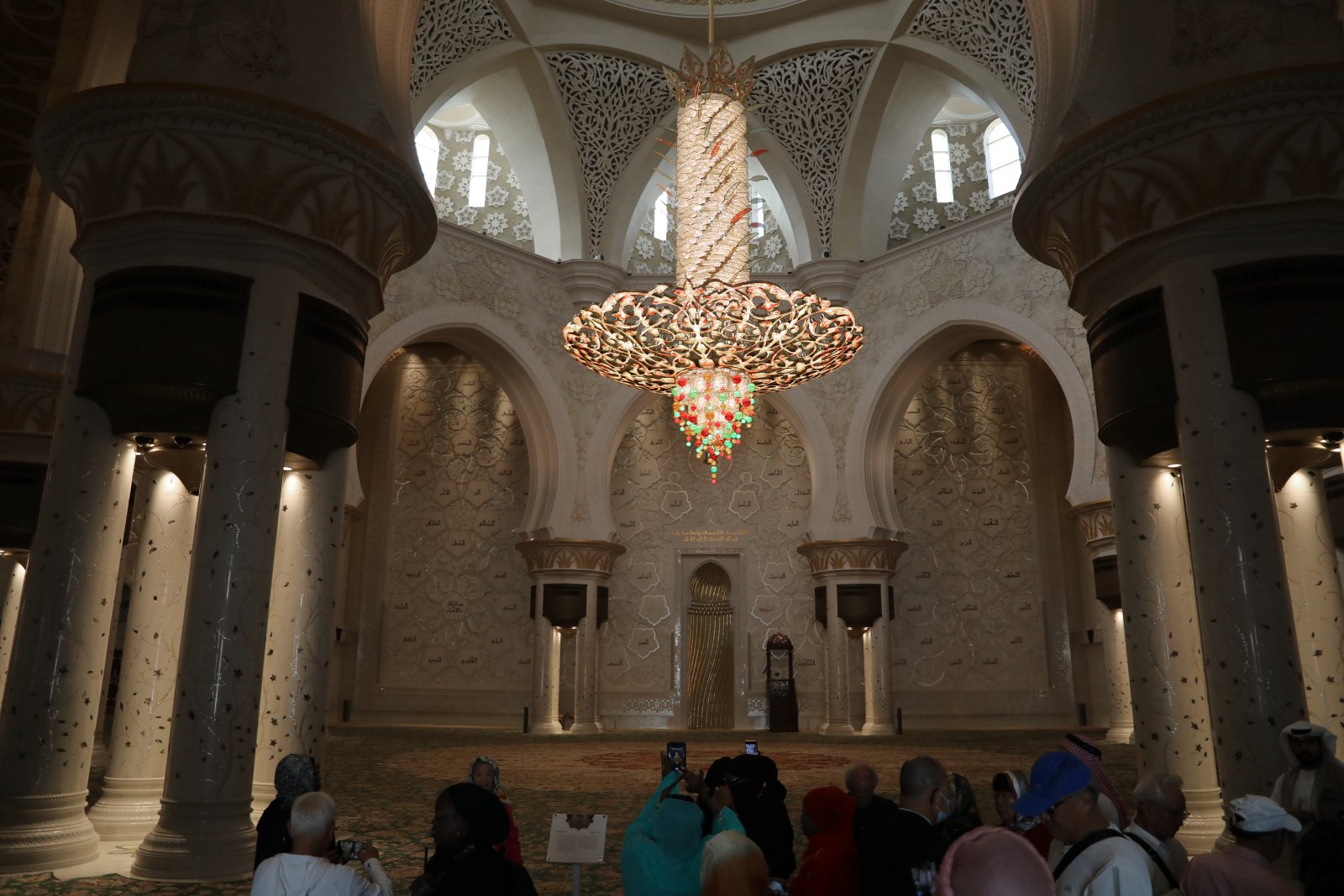
Beyond its architectural splendour, the Sheikh Zayed Grand Mosque plays a pivotal role in the cultural and spiritual life of Abu Dhabi. It hosts various Islamic festivals, such as Eid al-Fitr and Eid al-Adha, when the mosque comes alive with thousands of worshippers gathering for communal prayers. The mosque is also a venue for cultural events and is open to visitors of all faiths, promoting a message of peace and inclusivity.
No visit to the mosque would be complete without exploring the local gastronomy that Abu Dhabi offers. While the mosque itself does not serve food, the nearby areas are a treasure trove of Emirati cuisine. Traditional dishes such as machboos, a spiced rice dish with meat or fish, and luqaimat, sweet dumplings drizzled with date syrup, offer a taste of the region's culinary heritage. For a refreshing drink, try jallab, a mix of date syrup, rose water, and crushed ice, often garnished with pine nuts.
For those with an eye for detail, the mosque holds several lesser-known curiosities. Each of the four minarets, standing at 107 metres tall, represents the four corners of the Islamic world. The mosque's 96 columns in the main prayer hall are clad with mother-of-pearl, a nod to the UAE’s pearl diving history. Visitors might also notice the subtle differences in the floral designs on each carpet, a deliberate choice to ensure that every piece is unique.
Practical information is key for those planning a visit. The mosque is open daily, except during Friday morning prayers. The best time to visit is either early morning or late afternoon, when the sunlight casts dramatic shadows across the mosque's surfaces. Modest dress is required, and complimentary abayas and kanduras are available for visitors. Guided tours are highly recommended, offering insightful narratives about the mosque's construction and significance.
As the day draws to a close, the mosque takes on a different persona. Illuminated by a unique lighting system that reflects the phases of the moon, its ethereal glow is a sight to behold, reminding visitors of the harmony between tradition and modernity that defines the Sheikh Zayed Grand Mosque. Whether you’re drawn by its architectural grandeur, cultural significance, or serene spirituality, this iconic landmark is an unforgettable highlight of any journey to Abu Dhabi.
