



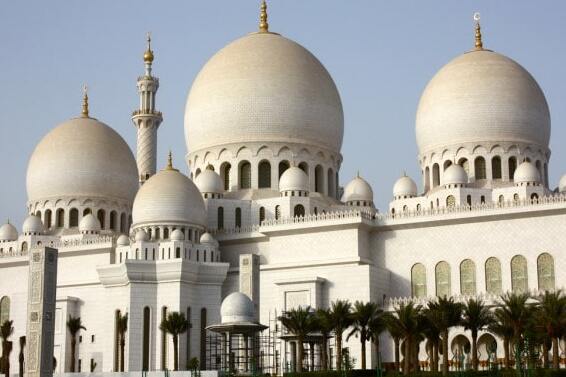
The Sheikh Zayed Grand Mosque in Abu Dhabi stands as a majestic testament to the intersection of history, art, and spirituality. This architectural marvel, shimmering under the Arabian sun, is not just a place of worship but a beacon of cultural synthesis and a testament to the vision of the late Sheikh Zayed bin Sultan Al Nahyan, the founding father of the United Arab Emirates.
The mosque's inception traces back to the late 20th century when Sheikh Zayed envisioned a grand structure that would unite the cultural diversity of the Islamic world. Completed in 2007, the mosque is named after him, and his final resting place lies within its serene grounds. Its creation brought together artisans and materials from around the globe, symbolizing unity and peace, values central to Sheikh Zayed's leadership.
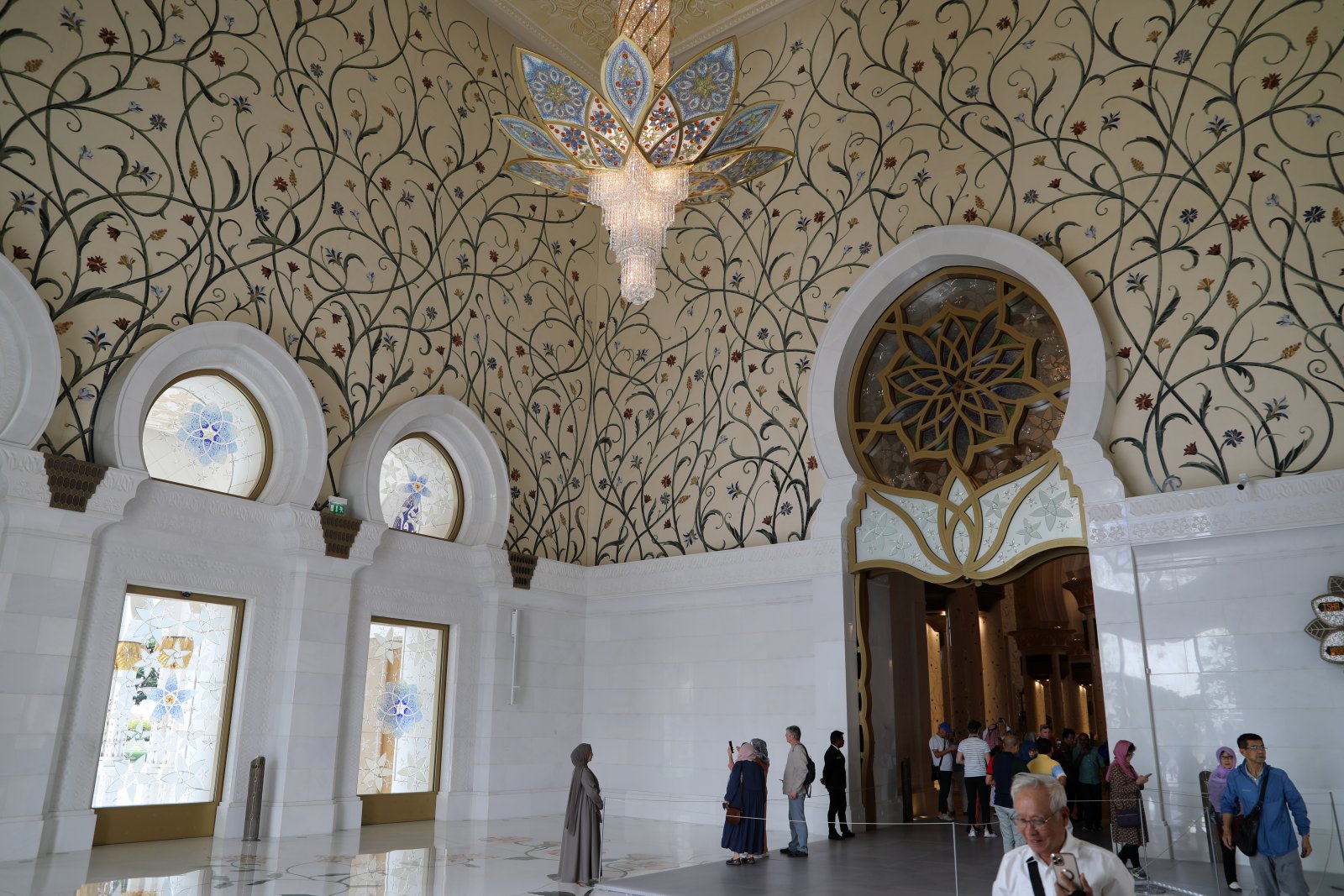
Architecturally, the Sheikh Zayed Grand Mosque is a masterpiece of Islamic design, blending various architectural styles. It boasts a stunning fusion of Moorish, Mughal, and Arab motifs. The mosque's 82 domes, clad in pure white marble, are particularly striking against the azure sky. The expansive courtyard, with its intricate floral designs inlaid with semi-precious stones, echoes Persian and Mughal influences. Inside, visitors are greeted by one of the world's largest chandeliers, a dazzling creation adorned with millions of Swarovski crystals, reflecting the mosque's opulence and grandeur.
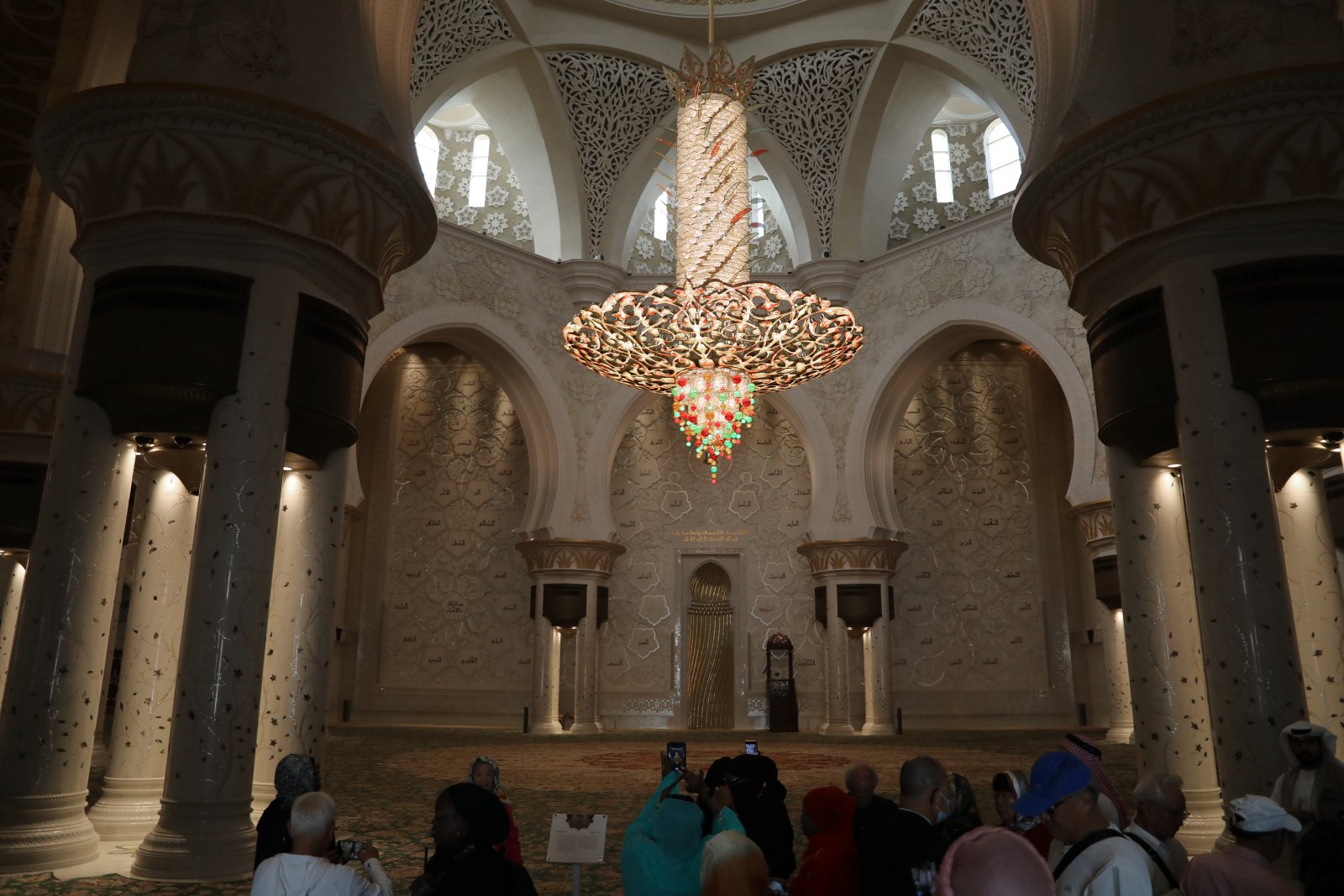
Art lovers will appreciate the mosque's impressive collection of artworks, including the world's largest hand-knotted carpet, crafted by over 1,200 artisans. This carpet spans the main prayer hall, showcasing traditional Iranian design elements. The mosque's minarets and columns are adorned with calligraphy and geometric patterns, paying homage to the rich artistic traditions of Islam.
The cultural significance of the Sheikh Zayed Grand Mosque cannot be overstated. It serves as a hub for Islamic scholarship and cultural exchange, hosting events and festivals that draw visitors from across the globe. During Ramadan, the mosque becomes a focal point for community gatherings, offering Iftar meals to thousands of worshippers and visitors, embodying the spirit of hospitality and charity central to Islamic culture.
Gastronomy around the mosque offers a taste of Emirati hospitality. While the mosque itself does not serve food, nearby eateries provide a chance to sample traditional Emirati dishes. Try Machboos, a flavorful rice dish cooked with aromatic spices and meats, or enjoy Luqaimat, sweet dumplings drizzled with date syrup, often enjoyed during Ramadan. These culinary experiences offer a glimpse into the local culture and heritage.
For those seeking lesser-known aspects of the mosque, the reflective pools surrounding the structure are a marvel often overlooked. These pools, with their mirror-like surfaces, create an ethereal ambiance, especially at dusk when the mosque is illuminated. Another hidden gem is the library within the mosque, which houses a collection of rare Islamic manuscripts and texts, offering insights into the intellectual traditions of the Islamic world.
When planning a visit to the Sheikh Zayed Grand Mosque, timing is key. The mosque is open to non-Muslim visitors daily, except during Friday prayers. Early morning or late afternoon visits are ideal for avoiding the midday heat and witnessing the breathtaking play of light on the mosque's marble surfaces. Dress modestly as a sign of respect, with women required to wear an abaya and headscarf, available at the mosque's entrance.
As you explore, take time to appreciate the serene atmosphere and the intricate details that tell stories of dedication, artistry, and faith. Whether you're drawn by the grandeur of its architecture, the depth of its cultural significance, or the tranquility of its spiritual ambiance, the Sheikh Zayed Grand Mosque offers a profound and enriching experience, embodying the harmonious blend of tradition and modernity in the heart of Abu Dhabi.
