



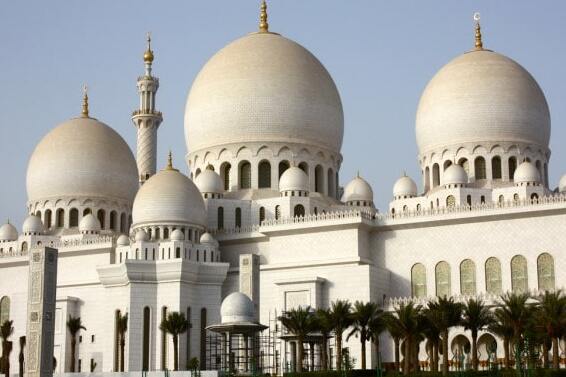
Nestled amidst the opulent skyline of Abu Dhabi, the Sheikh Zayed Grand Mosque stands as a beacon of Islamic architecture and spiritual serenity. This architectural marvel is not just a place of worship but a symbol of unity, bringing together the cultural diversity of the Islamic world.
The mosque was commissioned by the late Sheikh Zayed bin Sultan Al Nahyan, the founding father of the UAE, whose vision was to build a structure that would reflect the Islamic world’s diversity and epitomize the historical and cultural heritage of the region. Construction began in 1996 and took over a decade to complete, finally opening its doors in 2007. The mosque's location was deliberately chosen at the gateway to Abu Dhabi, symbolizing a warm welcome to visitors from around the globe.
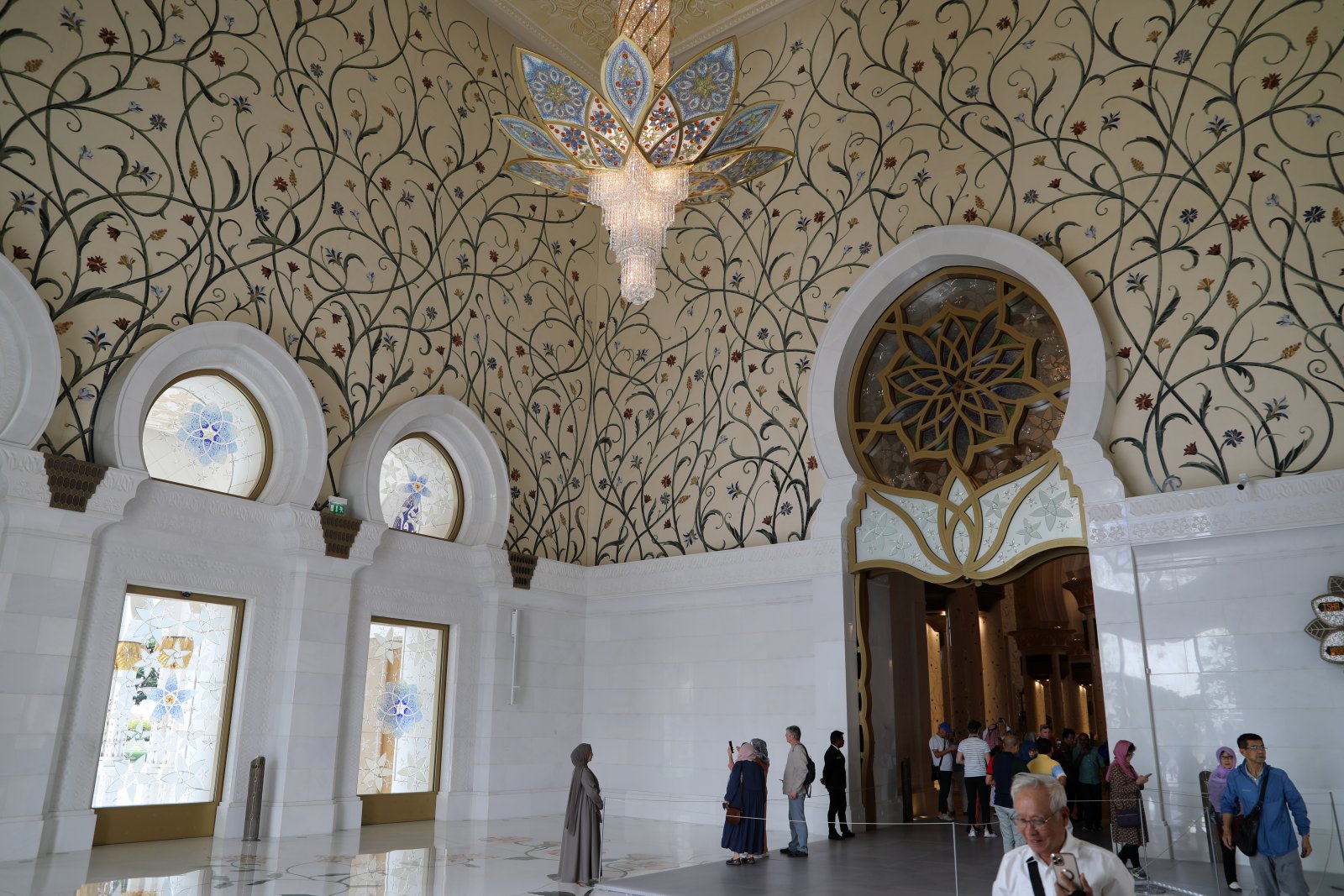
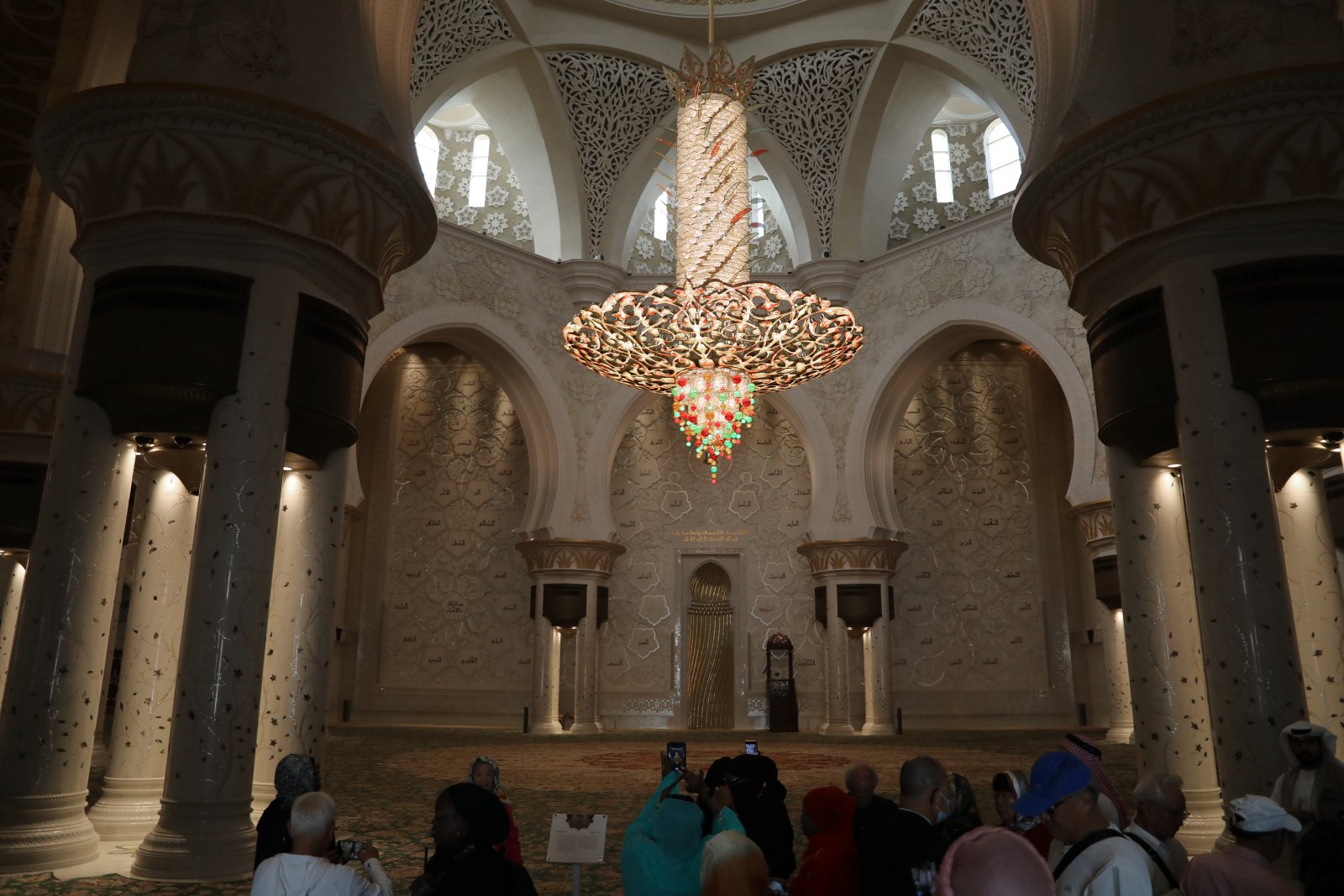
Visually, the Grand Mosque is a masterpiece of Mughal, Moorish, and Persian architectural styles. Its stunning white marble façade is embellished with intricate floral patterns and mosaics. The mosque's main prayer hall houses the world's largest hand-knotted carpet, crafted by over 1,200 artisans from Iran. Above it hangs one of the world's largest chandeliers, studded with millions of Swarovski crystals, casting a luminous glow that echoes the mosque’s ethereal beauty.
Beyond its architectural splendor, the mosque plays a pivotal role in local culture and tradition. It hosts religious ceremonies such as Eid and Ramadan, drawing thousands of worshippers. The mosque is also a hub for cultural learning, offering visitors insights into the Islamic faith and Emirati traditions through guided tours and educational programs. The annual Sheikh Zayed Heritage Festival celebrates the UAE's history and culture, underscoring the mosque's role as a cultural cornerstone.
In terms of gastronomy, Abu Dhabi offers a delectable array of cuisine that reflects its multicultural population. Traditional Emirati dishes such as majboos, a spiced rice dish with lamb or chicken, and luqaimat, sweet dumplings drizzled with date syrup, are must-tries. Visitors can explore local flavors at the mosque's café, which serves a selection of Middle Eastern delicacies, providing a culinary experience that complements the spiritual journey.
One of the lesser-known curiosities about the Grand Mosque is its symbolic use of colors and materials. The white marble signifies purity and piety, while the mosque's 82 domes, each representing a different Islamic era, symbolize the diversity within the Muslim world. The mosque's design incorporates elements from several countries, including precious stones from Italy, glasswork from Germany, and ceramics from Turkey, embodying Sheikh Zayed’s vision of global unity.
For those planning to visit, the best time is during the cooler months from November to March. Arrive early in the morning or late afternoon to avoid the crowds and the midday heat. Dress conservatively, keeping in mind the mosque's dress code, which requires long, loose clothing and women to wear a headscarf. Free guided tours are available, offering insights into the mosque’s history and architectural details, making the visit both educational and spiritually enriching.
As you wander through the mosque’s tranquil courtyards and marvel at its architectural grandeur, take a moment to reflect on the harmonious blend of cultures that it represents. The Sheikh Zayed Grand Mosque is more than a religious site; it is a testament to the power of collaboration, tolerance, and peace, echoing the values upon which the UAE was built.
