


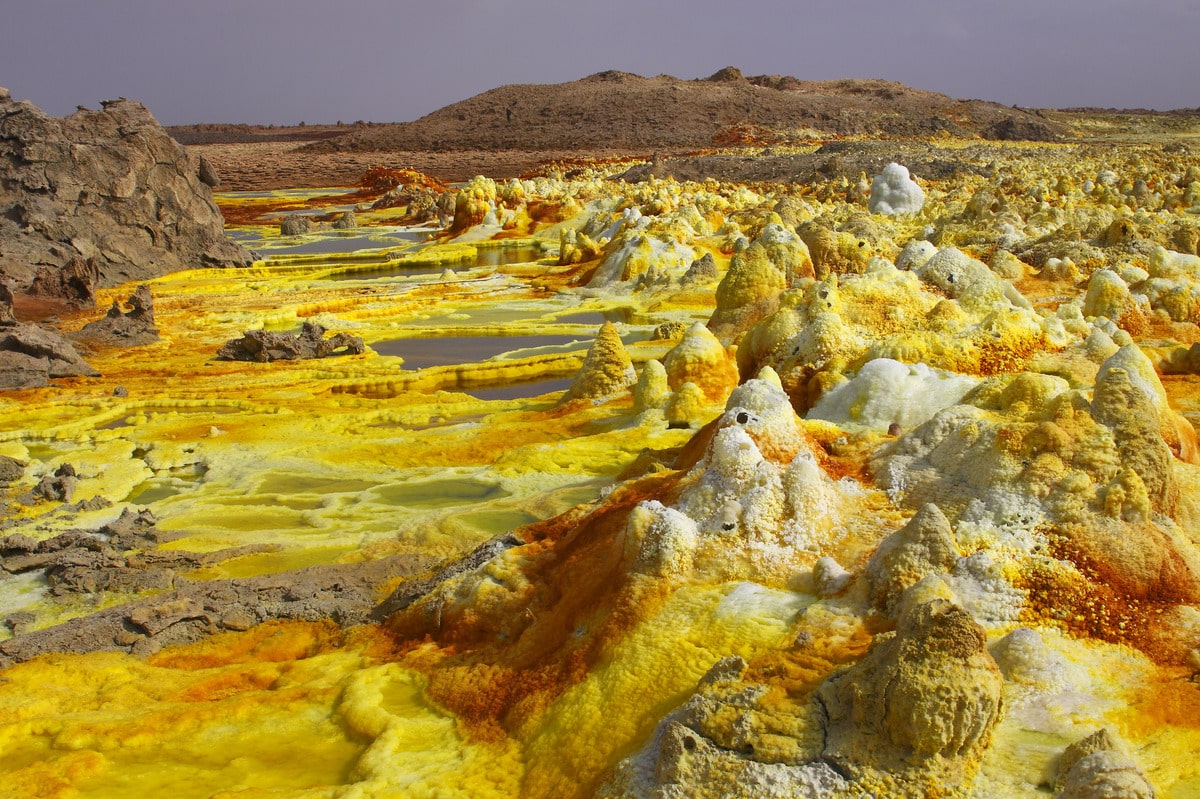
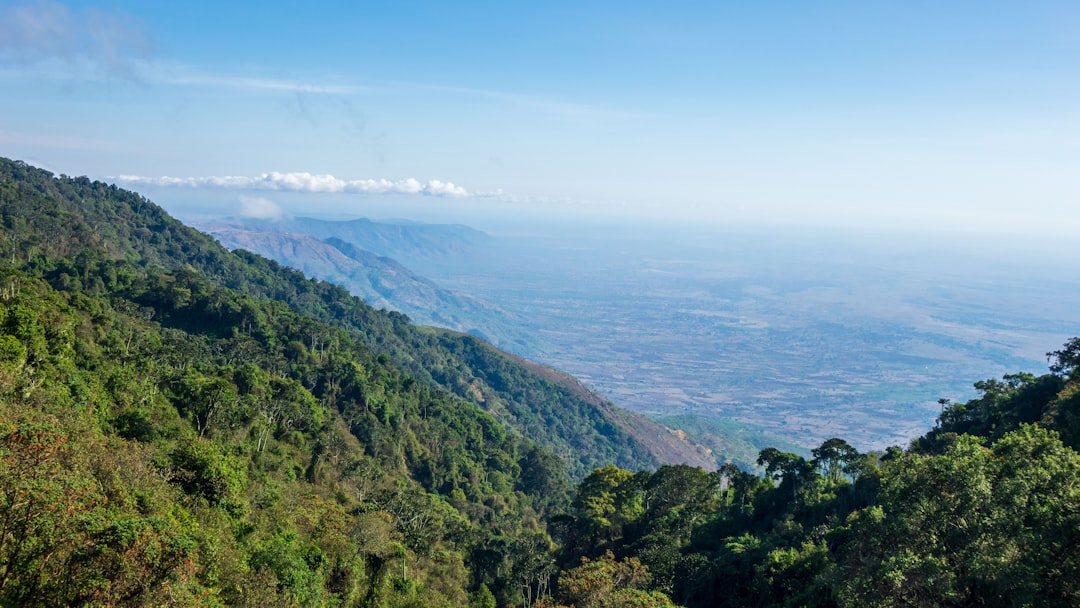
The Great Rift Valley, a geological marvel stretching from Lebanon to Mozambique, offers a mesmerizing blend of natural beauty, diverse wildlife, and rich cultural heritage. This stunning landscape, characterized by its dramatic escarpments and tranquil lakes, tells a story that dates back to the dawn of humanity. As you explore its depths, you'll be tracing the pathways of early hominins who roamed these lands over a million years ago, making it not only a site of immense natural beauty but also one of profound historical significance.

The valley's formation is a tale of tectonic forces at work. Around 30 million years ago, the African and Arabian tectonic plates began to pull apart, creating a series of rifts and faults. This geological activity gave birth to the valley's iconic features—steep cliffs, expansive savannahs, and a chain of lakes that teem with life. Among the most famous are Lake Turkana, Lake Nakuru, and Lake Naivasha, each with its unique ecosystem and history. For instance, Lake Turkana, also known as the "Jade Sea" due to its striking turquoise waters, is not just the world's largest desert lake but also a UNESCO World Heritage site, offering a glimpse into the prehistoric era with its archaeological sites.
In terms of art and architecture, the human influence on the Great Rift Valley is subtle yet profound. While nature dominates the landscape, the valley has inspired countless artistic endeavors. Traditional beadwork and intricate wood carvings from the local communities reflect the symbiosis between humans and nature. The Maasai, one of the indigenous peoples, are known for their vibrant jewelry and textiles, which are not only art forms but also expressions of cultural identity and social status.
The local culture and traditions within the Great Rift Valley are as diverse as its landscapes. The Maasai and other ethnic groups such as the Kikuyu and Kalenjin celebrate their heritage through music, dance, and traditional ceremonies. One of the most renowned events is the annual Maasai Mara migration, where millions of wildebeest, zebras, and gazelles traverse the Maasai Mara National Reserve. This spectacle is not only a natural wonder but also a vital cultural event for local communities, who have coexisted with these migrations for centuries.
No visit to the Great Rift Valley would be complete without indulging in its gastronomy. The region's cuisine is a testament to its agricultural bounty and cultural fusion. Sample dishes like Nyama Choma, a popular barbecued meat, often enjoyed with Ugali, a maize-based staple. The valley's fertile soils also support a variety of fruits and vegetables, making fresh produce a staple in local diets. Don't miss trying local brews such as Muratina, a traditional honey wine that has been crafted by the Kikuyu people for generations.
For those seeking lesser-known curiosities, the Great Rift Valley has plenty of surprises. The El Molo, one of the smallest ethnic groups in Kenya, reside on the shores of Lake Turkana. Their unique lifestyle, reliant on fishing and boat building, offers a rare glimpse into a way of life that has remained largely unchanged for centuries. Additionally, the Hell's Gate National Park—thought to have inspired the landscape of Disney's "The Lion King"—is home to geothermal hot springs and offers thrilling adventures such as rock climbing and cycling safaris.
When planning a visit, the best time to explore the Great Rift Valley is during the dry seasons, from June to October and from late December to March. These months offer the best wildlife viewing opportunities, as animals gather around water sources. For bird enthusiasts, the rainy season from November to December is ideal, as it attracts migratory birds to the valley's lakes. It's crucial to prepare for varying climates—while the days can be warm, nights may require a light jacket.
To fully appreciate this remarkable region, consider hiring a local guide. Their knowledge can provide deeper insights into the valley's ecosystems and cultural heritage. Whether you're watching flamingos paint the waters of Lake Nakuru pink at sunrise or listening to the stories of the Maasai under a starlit sky, the Great Rift Valley promises an unforgettable journey into the heart of Africa's natural and cultural splendor.
