
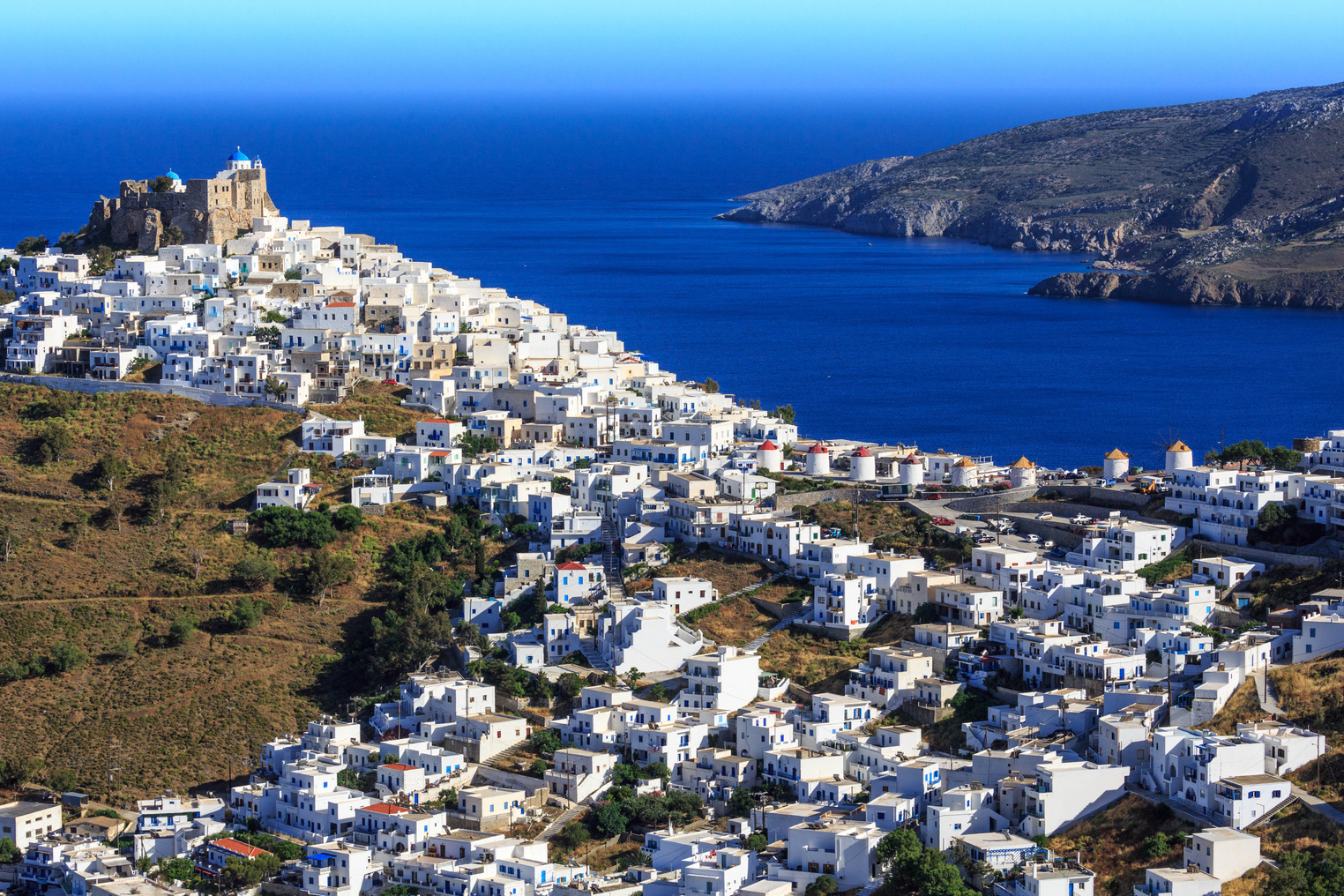

Perched majestically on a rocky hilltop, the Venetian Castle of Querini in Astypalea is not just a remnant of the past; it is a testament to the island's resilience and rich history. Founded in 1413 by Giovanni Querini, a Venetian official of the Duchy of Naxos, this fortress was constructed during a tumultuous period when Astypalea faced relentless pirate raids. The castle’s strategic position, where the ancient acropolis once thrived, served to revive the village and fortify it against potential invaders.
The architectural prowess of the castle is evident even today, characterized by its formidable stone walls made from local ferrous rocks. Visitors enter through a single, low-vaulted passageway on the southwest side, a deliberate design choice that limited access and enhanced security. The surrounding walls, which were supported by reinforced house structures called "xokastra," formed an additional layer of defense. Although many of these houses have succumbed to time and the devastating earthquake of 1956, restoration efforts have begun, breathing new life into the remnants of history.
At the southern end of the castle, the tower known as "Saray" stands as a proud sentinel over the landscape. Adorned with the typical Venetian style, the tower narrates stories of its storied past. Within the castle's confines, two churches with striking whitewashed walls offer a stark contrast to the gray stone. Panagia Castriani, built in 1853, is dedicated to the Annunciation of the Blessed Virgin Mary and was constructed using materials salvaged from the Querini family homes. Further within the castle, the church of Agios Georgios, dating back to 1790, features a charming square known as the "platsa," where gatherings and community events once flourished.
The cultural fabric of Astypalea is woven with traditions that echo its historical significance. The island celebrates various local festivals, most notably the Feast of Agios Georgios in April, where locals partake in lively processions, traditional music, and dance. This festival not only honors the patron saint but also serves as a reunion for families and friends who gather to share in the communal spirit. The island’s rich folklore, often passed down through generations, plays a vital role in shaping its identity.
Gastronomy in Astypalea is a delightful exploration of flavors that reflect the island's heritage. Local dishes such as "Makarounes," a type of handmade pasta served with a variety of sauces, and "Soutzouk Loukou," a traditional sweet made from grape must, showcase the island's agricultural bounty. Visitors can also enjoy freshly caught seafood, prepared simply to enhance its natural flavors. Pairing these dishes with the local "Retsina," a resin-infused wine, creates a dining experience that is both authentic and memorable.
For those who venture beyond the well-trodden paths, there are lesser-known curiosities waiting to be discovered. One can find remnants of ancient tombs and inscriptions scattered around the island, hinting at its long-lost civilizations. The local legend of Astypalea being the birthplace of the mythological hero Hercules adds an enchanting layer to its history. Additionally, the island's unique butterfly population, which emerges in late spring, attracts nature enthusiasts eager to witness these delicate creatures fluttering across the rugged landscape.
The best time to visit Astypalea is during the late spring and early fall when the weather is pleasantly warm, and the island is less crowded. Early June and September are particularly ideal, as the sea is inviting for swimming, and local festivals are in full swing. When exploring the Venetian Castle of Querini, take time to wander through its ruins, allowing the stories of the past to unfold before you. Be sure to bring a camera; the panoramic views of the Aegean Sea and the surrounding landscape from the castle are breathtaking.
As you plan your visit to Astypalea, consider using the Secret World app to craft a personalized itinerary that highlights the castle’s history and the island’s hidden gems.


