



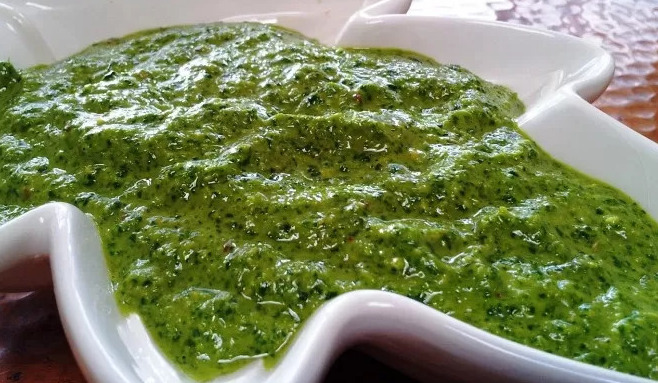
Nestled in the rolling hills of Monferrato, a region in the heart of Piedmont, Italy, the green garlic (aglio verde) holds a place of pride among the area's culinary treasures. Known for its vibrant flavor and rich history, this local delicacy is more than just a condiment; it embodies the spirit of the land and its people.
History and Origins
The origins of agliata verde monferrina are steeped in antiquity, tracing back to the Middle Ages when it was a staple for the peasant class. This humble sauce reflects the agrarian lifestyle of the region, where fresh herbs and seasonal ingredients were essential for sustenance. While the precise date of its inception is unknown, historical records indicate that garlic has been cultivated in this area since Roman times, hinting at its long-standing significance in local cuisine.
As trade routes flourished, the ingredients for agliata verde evolved, incorporating flavors from neighboring regions. The sauce was initially utilized as a preservative, allowing families to enjoy the bounty of their gardens throughout the year. Over time, it transitioned from a simple condiment to a sophisticated appetizer, frequently served at local feasts and gatherings, showcasing the culinary creativity of the Monferrato people.
Art and Architecture
The beauty of Monferrato extends beyond its gastronomy. The area boasts a wealth of historical architecture, including stunning churches and ancient castles that tell the story of its rich past. The Castello di Casale Monferrato, a magnificent fortress dating back to the 14th century, offers visitors a glimpse into the feudal era, while the Collegiata di San Bartolomeo, with its baroque façade and exquisite frescoes, exemplifies the artistic prowess of the region.
Local artisans also contribute to Monferrato's artistic legacy. The craftsmanship of its pottery and textiles reflects the cultural heritage of the area, often inspired by the surrounding landscape. Visitors can find unique handcrafted items in local markets, each piece telling a story of tradition and artistry.
Local Culture and Traditions
Cultural life in Monferrato is vibrant, marked by festivals that celebrate its bountiful produce and rich history. The Fiera di San Giuseppe, held in March, is a lively event where locals gather to enjoy food stalls, traditional music, and various artisan crafts. This festival not only showcases the agricultural heritage of the region but also serves as a social gathering for the community.
Another significant event is the Palio di Asti, taking place in September. This historic horse race is one of the oldest in Italy and draws participants and spectators from all over the region, encapsulating the competitive spirit and camaraderie of local traditions.
Gastronomy
The culinary landscape of Monferrato is a feast for the senses, with aglio verde as a highlight. This delightful green garlic sauce is often paired with fresh toma or robiola, two local cheeses that enhance its flavor profile. Served on crunchy croutons or as a dip for breadsticks, it makes for an irresistible appetizer.
Pasta dishes adorned with agliata verde reveal the versatility of this sauce, making it a perfect companion for both handmade tagliatelle and gnocchi. Additionally, its robust flavor pairs beautifully with freshwater fish, providing a unique twist to traditional recipes.
As you explore the local gastronomy, don't miss the chance to savor other Piedmontese delights, such as truffles, hazelnuts, and the renowned Barolo wine. Each bite tells a story of the land, its people, and their enduring love for food.
Lesser-known Curiosities
While many visitors flock to Monferrato for its breathtaking landscapes and delicious food, there are hidden gems waiting to be discovered. For instance, the green garlic used in aglio verde is often grown in small family gardens, passed down through generations. This personal touch adds a layer of authenticity to the sauce, connecting it intimately to the land.
Additionally, the technique of crushing garlic in a mortar was once a common practice, believed to enhance the flavors and aromas of the dish. Today, while modern methods have taken precedence, some local chefs still honor this tradition, preserving the culinary integrity of aglio verde.
Practical Visitor Information
The best time to visit Monferrato is during the spring and early autumn months when the weather is mild and the landscape is adorned with blooming flowers and harvest-ready vineyards. To experience the region's culinary offerings, timing your visit with local festivals can provide an immersive experience of flavors and culture.
When exploring Monferrato, consider taking a leisurely drive through the scenic vineyards, stopping at small villages to sample local dishes. Don’t forget to visit local markets where you can find artisanal products and interact with friendly vendors who are eager to share their stories.
To truly appreciate the essence of Monferrato, allow yourself to wander its hills, indulge in its rich cuisine, and immerse yourself in the traditions that have defined this charming region for centuries.
To plan your personalized itinerary and discover more hidden treasures, consider using the Secret World app for a tailored travel experience.
