



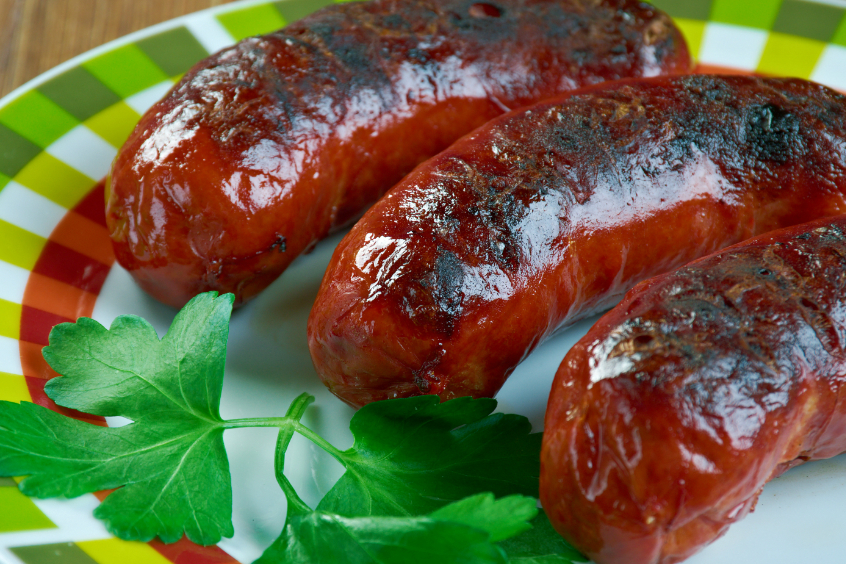
Imagine biting into a sizzling, succulent piece of Finnish tradition, with the aroma of wood smoke enveloping you in the embrace of a Nordic forest. This is the experience of Grillimakkara, a quintessential Finnish sausage that has delighted locals and intrigued visitors for generations. Though it might seem like a simple sausage at first glance, Grillimakkara carries a depth of history, culture, and flavor that reflects the heart of Finland.
The history of Grillimakkara is deeply intertwined with the Finnish love for the outdoors and communal gatherings. These sausages trace their origins back to the post-war era, when Finland was rebuilding its identity and economy. As urbanization spread, Grillimakkara became a staple of Finnish comfort food, often enjoyed during family outings, summer picnics, and winter gatherings around a campfire. The tradition of grilling these sausages outdoors is a nod to Finland's relationship with nature—a bond that is as strong as the flavors of the Grillimakkara itself.
While Finland is renowned for its architectural marvels, such as the works of Alvar Aalto, the Grillimakkara represents an everyday art form that is savored rather than seen. The artistry lies in the simplicity and quality of the ingredients. Finnish cuisine, much like its design aesthetic, values purity and functionality. This is evident in the Grillimakkara's modest yet mouthwatering composition of pork, beef, or a combination, seasoned with salt and pepper, and encased in a delicate skin that crisps to perfection over an open flame.
In Finnish culture, the Grillimakkara is more than just a meal—it's a tradition that brings people together. The act of gathering around a grill, sharing stories, and savoring the crackling of sausages is a cherished custom. It's common to find Grillimakkara at local events, from the lively summer festivals like Juhannus, the midsummer celebration, to the cozy winter gatherings when Finns embrace the concept of hygge. The sausage is often paired with sinappi (mustard) and washed down with locally brewed beer, completing the authentic Finnish experience.
Gastronomically, Grillimakkara is a gateway into the broader spectrum of Finnish cuisine. While the sausage takes center stage, it is often accompanied by other local delights such as rye bread, Karelian pasties, or a fresh and tangy salmon soup. Beverages like Karhu or Lapin Kulta beer are popular accompaniments, adding a refreshing balance to the hearty flavors.
For those seeking a deeper connection with Finnish culture, there are lesser-known curiosities about Grillimakkara that add to its charm. For instance, the informal "Grilli Test" is a playful nod to Finnish resilience, where locals challenge each other to see who can stand the longest in the cold while grilling their sausages. This light-hearted contest exemplifies the Finnish spirit of camaraderie and endurance. Moreover, each region in Finland boasts its own variation of the sausage, with subtle differences in spice and preparation reflecting local tastes and traditions.
Visitors to Finland should aim to experience Grillimakkara at its finest during the summer months, when the days are long and the weather is inviting. The best places to enjoy this delicacy are by the numerous lakes and forests that dot the Finnish landscape. However, winter brings its own magic, as grilling by a roaring fire amidst a snowy backdrop provides a quintessentially Finnish experience. To make the most of your visit, join a local festival or community gathering, where the true essence of Finnish hospitality shines.
In conclusion, Grillimakkara is not merely a Finnish sausage; it is a celebration of Finnish culture, history, and the simple joys of life shared with loved ones. Whether enjoyed in the vibrant warmth of summer or the crisp embrace of winter, this iconic dish is a must-try for anyone wishing to understand and appreciate the rich tapestry of Finnish tradition. As you savor each bite, you partake in a legacy that has been lovingly passed down through generations, a testament to Finland's enduring spirit and culinary heritage.
