
← Back

Gromo

24020 Gromo BG, Italia ★★★★☆ 204 views
Paola Cortese
Gromo
🏆 AI Trip Planner 2026

Get the free app

Discover the best of Gromo with Secret World — the AI trip planner with 1M+ destinations. Get personalized itineraries, hidden gems and local tips. Free on iOS & Android.

🧠 AI Itineraries 🎒 Trip Toolkit 🎮 KnowWhere Game 🎧 Audio Guides 📹 Videos
Scan to download iOS / Android
Scan for AppGallery Huawei users

About Gromo

Gromo - Gromo | Secret World Trip Planner

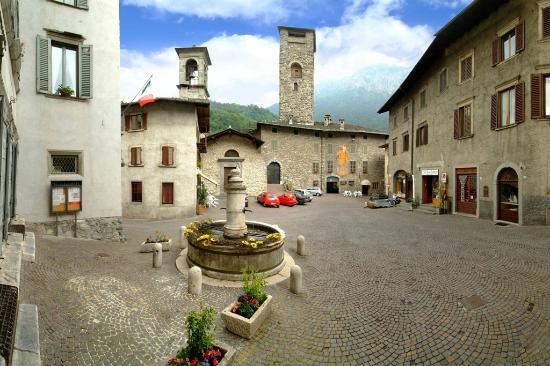
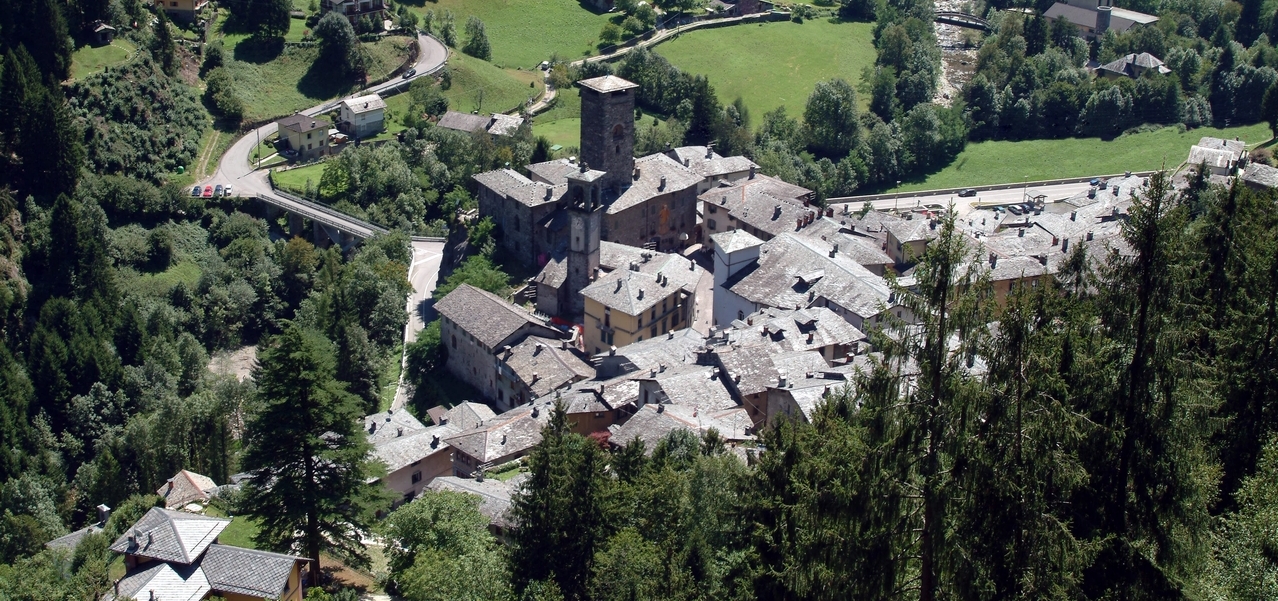
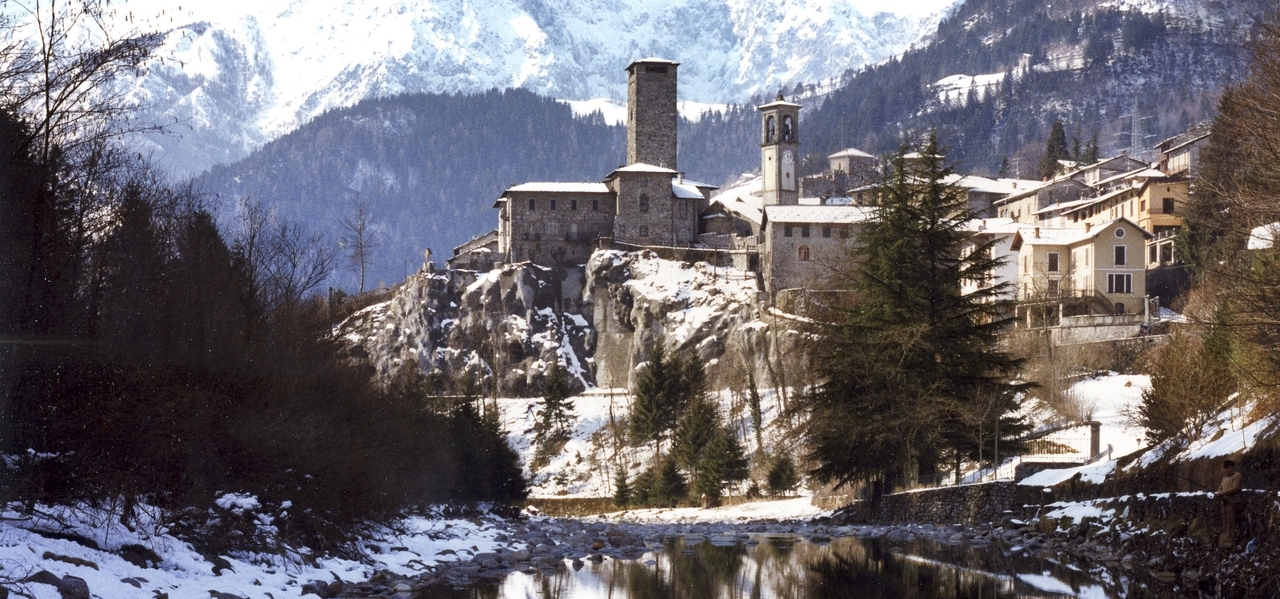
The toponym is very diffused in bergamasca and appears in numerous variants (Gromo, Grumello del Monte, Gromello de Zanchi, Grumalto, Gromlongo etc). Oliviero made it simply derive from "Grom" (grumo-mucchio, in the translate meaning of hillock-high ground). In ancient times the center was occupied by the Romans, who held the military garrisons, probably activating the local iron mines. In 1226, in the name of the Emperor Federico II, nephew of Barbarossa, was granted the territory of the High Valley in feud to the family Licini and was erected the Castle of Gromo. In this period the industry of iron and silver extraction developed more and more. From 1428 to 1797 Gromo, following the fate of Bergamo, was annexed to the Republic of Venice. In the workshops of Gromo, in this period was flourishing the activity of production of white weapons, swords and retorts, daggers and daggers, spikes and halberds that were exported all over Europe. On November 2, 1666, an avalanche of mud, stones and timber fell from the area of Novazza, greatly reducing the flourishing industry. It was then that Venice exempted Gromo from any tax giving it the right to call itself a city and gave it a coat of arms depicting a swan with a snake in its beak, surmounted by the ducal crown. Between 1700 and 1830 still prospered the iron industry, in the remaining workshops along the Serio river; this activity was completely extinguished with the end of 800. To the beginnings of 1900 the small mills, the hammers, the sawmills, saw to diminish their use for various causes, between these the diminution of the water quantity in the two principal rivers: the Serio and the Goglio. Fortunately, the particular location of the country, in an area difficult to access for defense reasons, has kept at a distance from the old core new buildings. So we have received one one of the most beautiful and unaltered examples of fortified mountain village. Places of interest: 1)Communal Palace (1456) 2)Ginami Castle (1246) 3)Gananderio Tower 4)Church of San Giacomo 5)Church of the Crocetta 6)Church of San Gregorio 7)Church of S.S. Trinità 8)San Bartolomeo Church 9)Naturalistic Ecomuseum 10)MAP - Museum of the white weapons and of the parchments 11) Weapons Hall
Gromo - Gromo | Secret World Trip Planner
🗺 AI Trip Planner 2026

Plan your visit to Gromo

Suggested itinerary near Gromo

MAJ+
500.000+ travelers worldwide
  1. 🌅
    Morning
    Gromo
    📍 Gromo
  2. ☀️
    Afternoon
    Clusone: Triumph and dance of death
    📍 8.4 km · Gromo
  3. 🌆
    Evening
    Clusone ed il suo Orologio
    📍 8.7 km · Gromo

Buy Unique Travel Experiences

Powered by Viator

See more on Viator.com

Explore nearby

Frequently Asked Questions

Gromo's name derives from 'Grom,' meaning hillock or high ground, reflecting its elevated position. The Romans originally occupied the area and operated military garrisons with local iron mines, while in 1226 Emperor Federico II granted the territory to the Licini family and erected the Castle of Gromo, which became a center for iron and silver extraction.
From 1428 to 1797, Gromo was part of the Venetian Republic and became renowned for producing white weapons including swords, daggers, spikes, and halberds that were exported throughout Europe. The workshops along the Serio river flourished until a devastating mud and stone avalanche in 1666 significantly reduced the industry.
After the November 2, 1666 avalanche, the Republic of Venice exempted Gromo from taxes and granted it city status with a coat of arms featuring a swan with a snake in its beak. The iron industry continued to prosper between 1700 and 1830 but was completely extinguished by the end of the 1800s due to declining water levels in the Serio and Goglio rivers.
Gromo is one of the most beautiful and well-preserved examples of a fortified mountain village in Italy, as its remote and defensible location kept modern development away from its historic core. Visitors can explore the original medieval layout and see landmarks like the Communal Palace built in 1456, experiencing authentic Alpine medieval architecture.
Gromo's location in a mountainous area difficult to access was originally designed for defense, but this makes it a peaceful destination away from mass tourism. Summer months are ideal for visiting to enjoy the mountain setting and explore the well-preserved medieval streets and historical sites comfortably.