
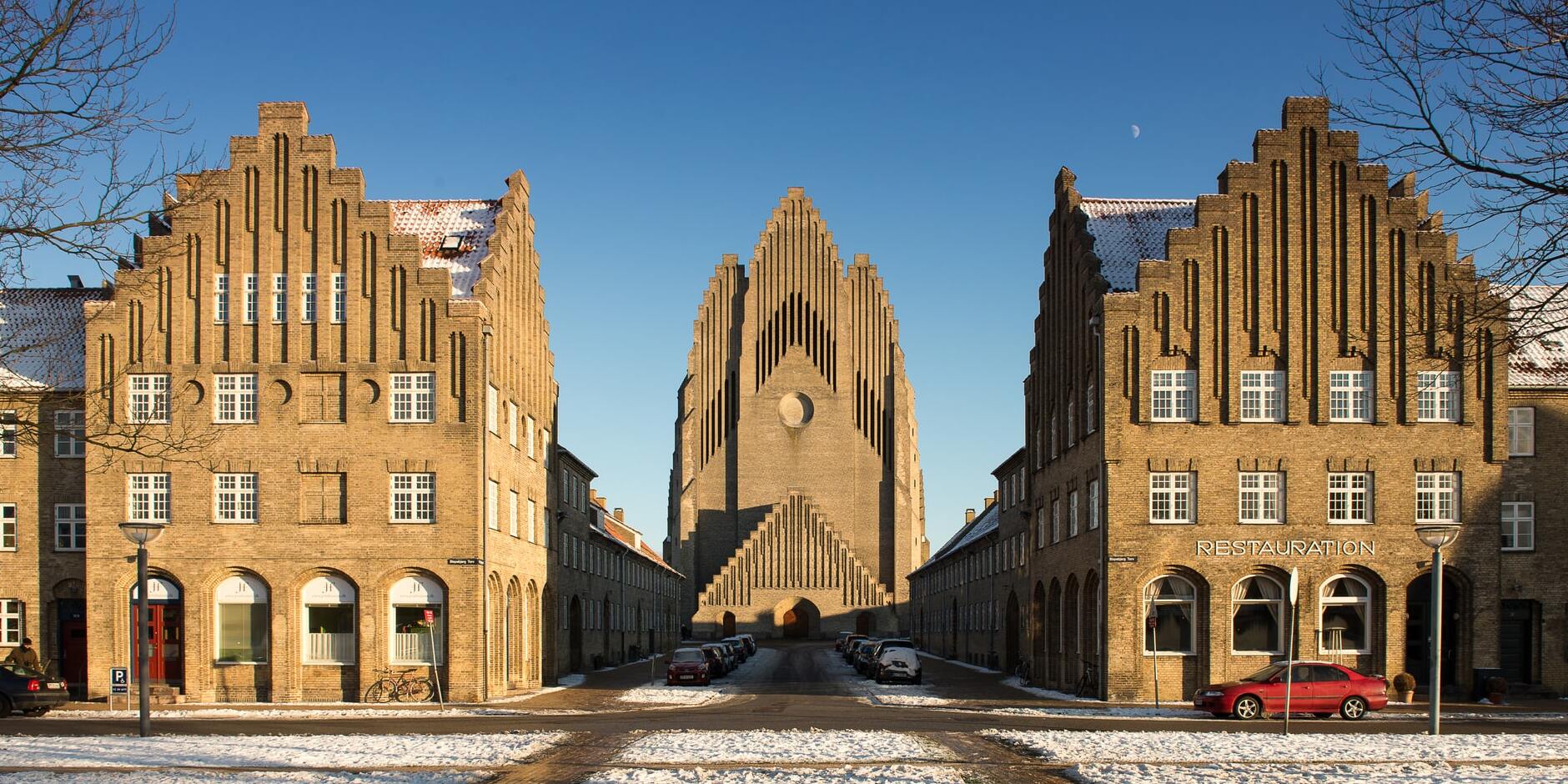

Nestled in the heart of Copenhagen, Grundtvig’s Church stands as a testament to the evolution of Danish architecture and the enduring legacy of its namesake. Completed in 1940, this remarkable structure is often mischaracterized as a Gothic cathedral, yet it embodies a unique blend of expressionist design that sets it apart from traditional ecclesiastical buildings. The church was built in honor of Nikolaj Frederik Severin Grundtvig, a prominent Danish priest, poet, and politician whose philosophies have significantly influenced modern Danish national consciousness.
The history of Grundtvig’s Church is a celebration of both faith and national identity. The church was designed by architect Peder Vilhelm Jensen-Klint, who sought to create a space that was not only a place of worship but also a symbol of Danish pride and cultural heritage. The construction was a monumental task that took over nine years, with the final touches completed just before the onset of World War II. Jensen-Klint’s vision was to honor Grundtvig's contributions to Denmark by creating an architectural masterpiece that reflected the values of community, education, and spirituality.
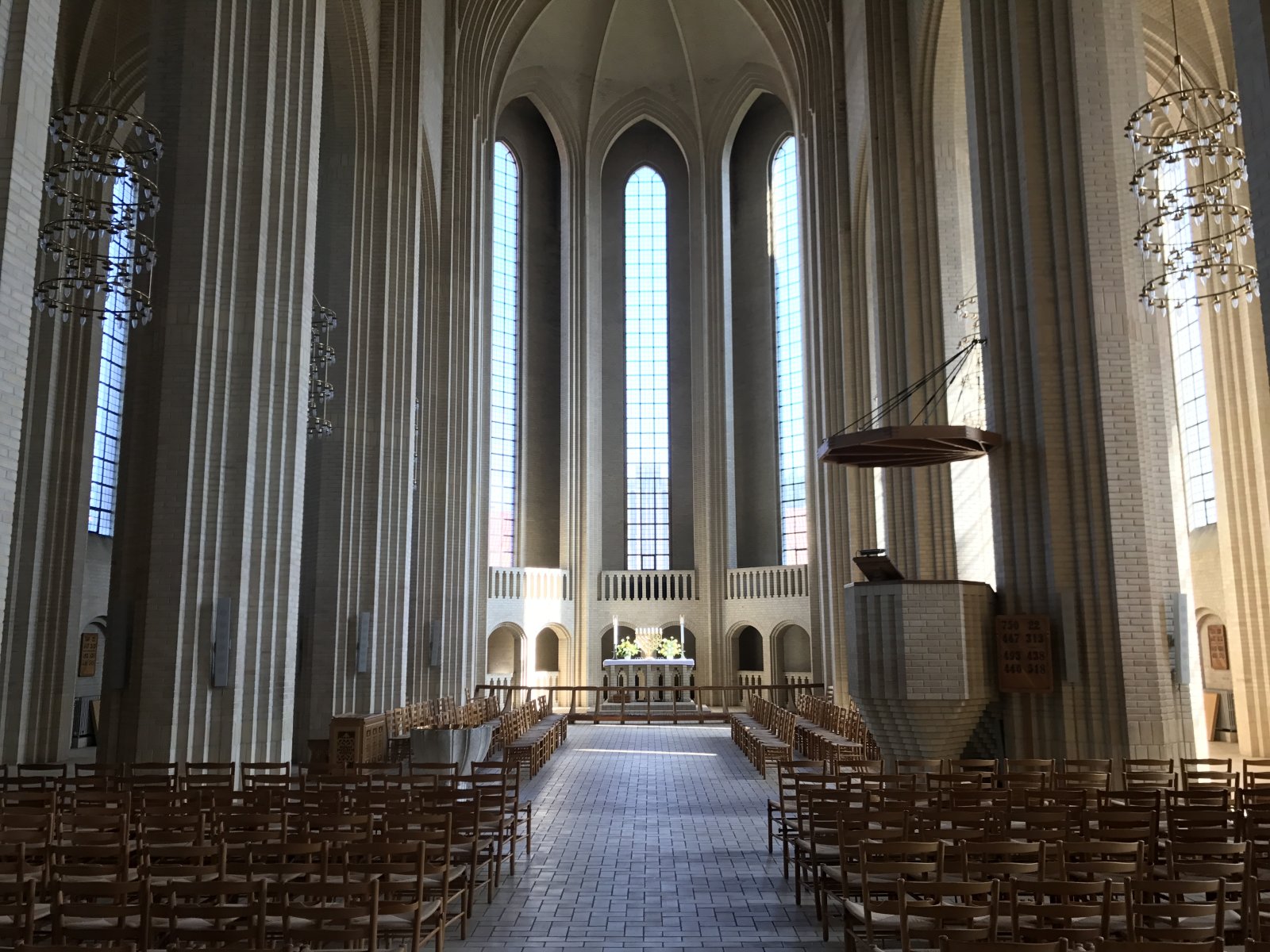
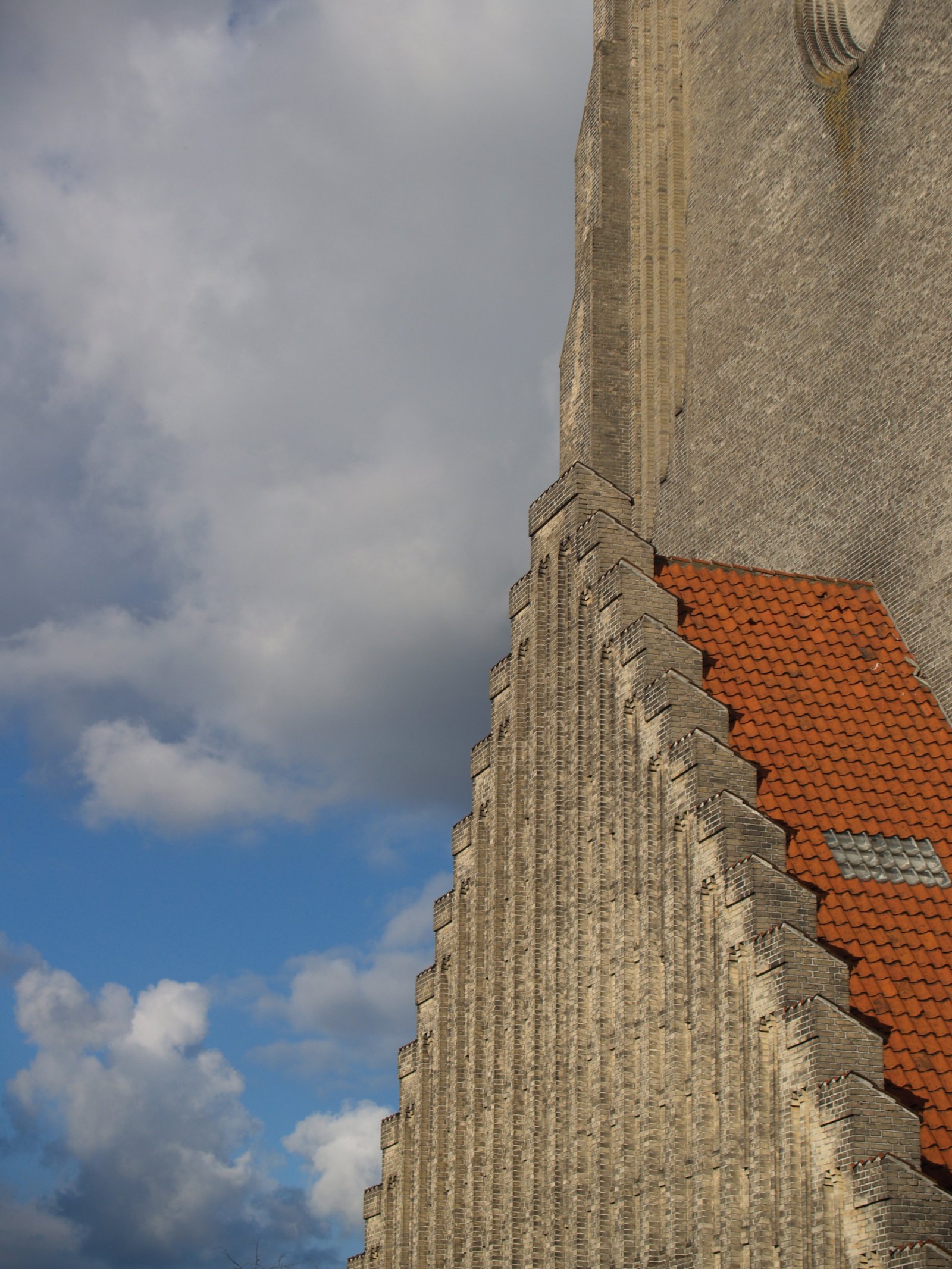
The architectural style of Grundtvig’s Church is a remarkable blend of expressionism and Gothic influences. Its striking façade, constructed from yellow bricks, features a tall bell tower that soars into the Copenhagen sky, while the interior is characterized by massive columns, pointed arches, and a triple nave layout reminiscent of traditional Gothic cathedrals. Despite the absence of frescoes or stained glass windows, the church’s simplicity speaks volumes, allowing the raw beauty of the brickwork to shine. The beech wood chairs within the sanctuary, with their elegant wickerwork seats, exemplify traditional Danish furniture design, inviting visitors to sit and contemplate the space.
Cultural traditions surrounding Grundtvig’s Church are deeply rooted in Danish spirituality and community values. The church serves as a gathering place not only for worship but also for various cultural events and educational activities. The Danish Church emphasizes the importance of community engagement, often hosting concerts and lectures that explore both religious and secular topics. Additionally, the church plays a vital role during Christmas, when the community gathers to celebrate the holiday season with special services and festive events, illuminating the church with warmth and joy.
When visiting Copenhagen, one cannot overlook the culinary delights that the city has to offer. While Grundtvig’s Church may not be directly tied to a specific local dish, it is located in an area rich with culinary traditions. Visitors can indulge in smørrebrød, the famous Danish open-faced sandwich, often topped with fish, meats, and pickled vegetables. Pair this with a refreshing local brew, such as Carlsberg or Tuborg, to truly immerse yourself in the Danish gastronomic experience. Nearby cafés and bakeries also offer delectable pastries like kanelsnegle (cinnamon rolls) and wienerbrød (Danish pastry), perfect for a leisurely afternoon treat after exploring the church.
One of the lesser-known curiosities about Grundtvig’s Church is its acoustic design, which was carefully considered by Jensen-Klint. The church's high ceilings and open spaces create a natural amphitheater effect, enhancing the sound during services and musical performances. This makes it a sought-after venue for organ concerts, where the magnificent organ, built by Marcussen & Søn, fills the space with rich, resonant tones. Additionally, the church’s bell tower houses bells crafted by the renowned P. A. H. Meyer, which chime beautifully, marking the passage of time in the neighborhood and adding to the church’s charm.
For those planning a visit to Grundtvig’s Church, the best time to experience its beauty is during the spring and summer months when the days are longer and the surrounding gardens are in full bloom. The church is easily accessible by public transport, with several bus and metro lines serving the area. Don’t forget to take your time exploring the interior; pay attention to the intricate details of the brickwork and the simplicity that speaks to the heart of Danish architecture.
In conclusion, Grundtvig’s Church is not just an architectural wonder but a vital piece of Copenhagen's cultural tapestry. Its unique design, historical significance, and role in the community make it a must-see for any visitor. As you wander through its serene spaces, take a moment to reflect on the life and legacy of Nikolaj Frederik Severin Grundtvig and the impact he had on Danish society.
To enhance your experience in Copenhagen, consider using the Secret World app to create a personalized itinerary that includes this architectural gem.


