



In the heart of French Guiana, nestled within the quiet village of Iracoubo, lies a surprising gem that defies its humble exterior. The St. Joseph Church might appear unassuming from the outside, but step inside, and you'll be transported into a vibrant world of color and artistry, a testament to the power of human creativity and devotion.

The roots of Iracoubo’s St. Joseph Church trace back to the late 19th century, a period marked by colonial expansion and cultural blending in French Guiana. Completed in 1893, this church was constructed during a time when the Catholic Church played a central role in the community's spiritual and social life. The church is a symbol of colonial architecture, yet it stands out for its unique interior, which diverges dramatically from the typical ecclesiastical designs of the era.
The true allure of St. Joseph Church lies within its walls, adorned with an array of naïve art frescoes. These vibrant murals are the handiwork of Pierre Huguet, a convict and self-taught painter who worked on them in 1891 while serving his sentence in the colony. Each brushstroke tells a story, capturing religious themes with a raw and heartfelt simplicity. The frescoes cover every inch of the church's interior, from the ceiling to the altar, depicting biblical scenes in a style that is both unrefined and profoundly touching. This unique artistic expression not only adds historical and cultural value to the church but also exemplifies the unexpected intersections between art and punishment, beauty and confinement.
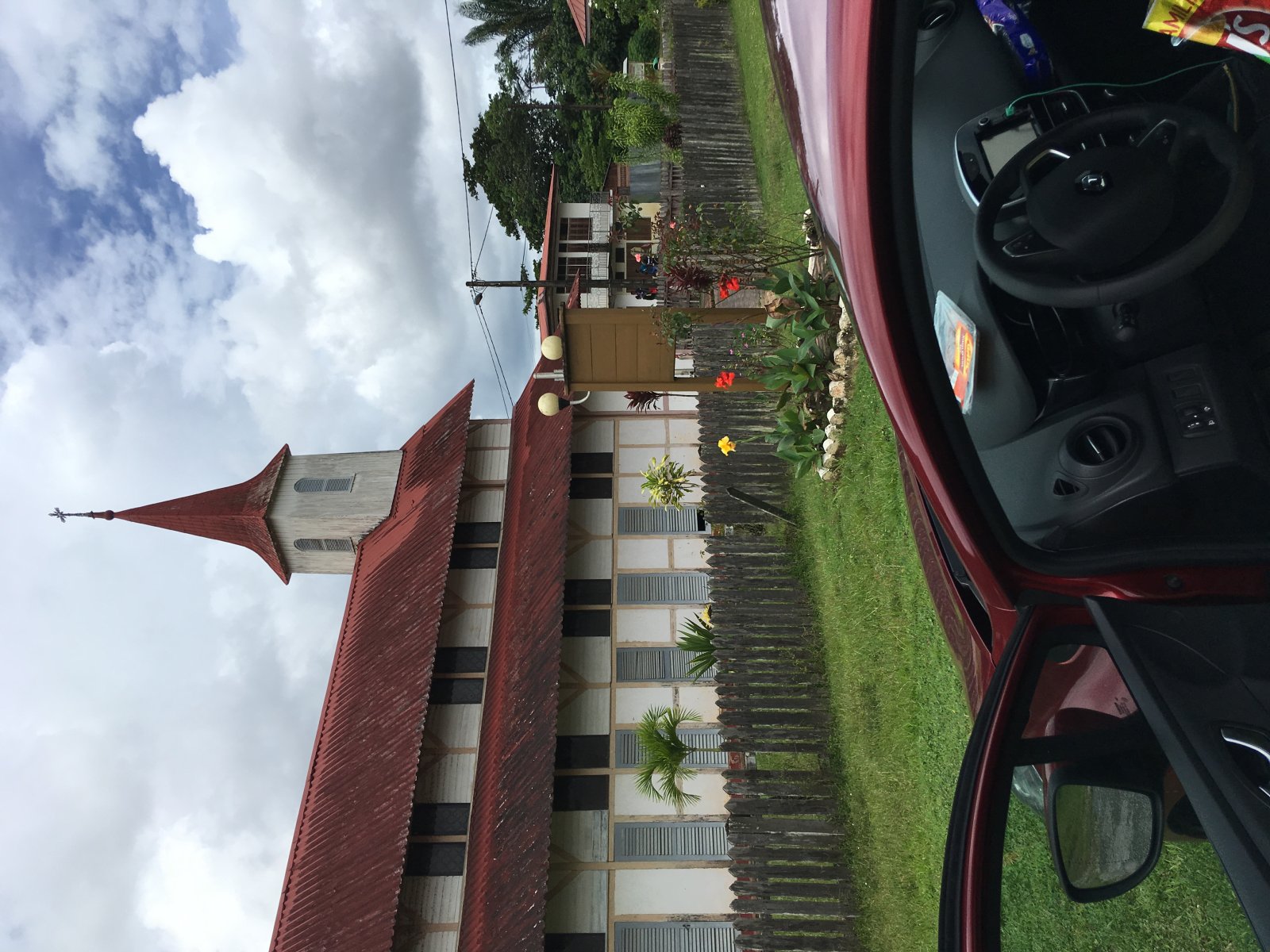
The architectural style of the church follows the colonial vernacular, characterized by its straightforward, modest exterior. However, this simplicity works as an effective canvas, highlighting the exuberant artistry within. The use of local materials in the construction reflects the resourcefulness of the builders, while the church’s design respects the tropical climate, with features that allow for ventilation and natural cooling.
Iracoubo itself is a microcosm of French Guiana’s rich cultural tapestry. The village is home to a diverse community, influenced by Amerindian, African, Asian, and European cultures. This blend is evident in local customs and celebrations, such as the vibrant Carnival, which brings the community together in a riot of music, dance, and color. During this time, the streets come alive with traditional costumes and parades, offering a glimpse into the region's multicultural heritage.
The gastronomy of Iracoubo reflects its cultural diversity. Visitors can savor dishes like Bouillon d’Awara, a stew made with the fruit of the Awara palm, which is traditionally prepared during Easter. Another local favorite is Colombo, a curry-like dish that highlights the Indian influence in the region. To accompany these meals, try a glass of Ti' punch, a popular local cocktail made with rum, lime, and sugarcane syrup, embodying the tropical flavors of the area.
For those with a penchant for discovering hidden details, St. Joseph Church offers plenty of curiosities. Look closely at the frescoes, and you'll notice the inclusion of local flora and fauna, subtly integrated into the biblical scenes, providing a fascinating blend of the sacred and the natural world. The church’s bell, cast in the foundries of Nantes, has its own journey, a symbol of the transatlantic connections that have shaped the region.
When planning a visit, the best time to explore Iracoubo is during the dry season, from July to December, when the weather is more favorable for travel. The church is open to visitors, but it’s advisable to check local schedules as it remains an active place of worship. As you explore, take your time to absorb the details of the frescoes, and consider bringing a guidebook or joining a local tour for deeper insights into the church’s history and art.
In a world where grandeur often overshadows subtlety, St. Joseph Church in Iracoubo stands as a poignant reminder of the beauty that lies in simplicity and the profound stories etched into its walls. Each visit is a journey through history and art, a chance to witness the quiet majesty of a place where the human spirit finds expression in the most unexpected ways.
