A good day trip from Barcelona earns its travel time. That's the only real test. If you spend ninety minutes on a train and arrive somewhere that takes forty-five minutes to exhaust, you've made a bad trade. The best day trips give you something the city can't: scale, silence, altitude, or deep history. They also have to be logistically honest. That means trains that actually run, parking that actually exists, and arrival times that don't deposit you in the middle of a tour-bus convoy.
I've done all of these trips multiple times, in different seasons, by different means. Some I've done alone with a notebook. Some with a family in a rental car arguing about where to eat. The advice here is drawn from those real experiences, not from tourism board press releases. I'll tell you what the journey actually feels like, what to do when you arrive, and — critically — when to arrive, because timing on a day trip is everything. Get it wrong and you're fighting crowds. Get it right and you have the place to yourself.
At a glance
- Scopri il Monastero di Montserrat: un gioiello della Catalogna — the mountain that earns the journey
- The iconic Montserrat in Catalonia — the other way up the same mountain
- Weekend a Tarragona con Secret World: La Guida Definitiva — a Roman city hiding in plain sight
- Castell de Santa Florentina and the Game of Thrones — a medieval castle on the Maresme coast
- The Els Ametlleres Roman villa — first-century ruins in the Catalan countryside
- Waterfall La Foradada De Cantonigros — a natural pool in the Osona hills
- Catalonia: Castellfollit de la Roca, a typical village — perched on a basalt cliff above two rivers
- Pont de la Margineda,a medieval Romanesque bridge — the road to Andorra
- Tossa de Mar — the walled town at the edge of the Costa Brava
Scopri il Monastero di Montserrat: un gioiello della Catalogna — the mountain that earns the journey

The Benedictine monastery here has been active since the ninth century, and the surrounding massif — those improbable vertical columns of conglomerate rock — gives the whole site an atmosphere that no amount of tourist infrastructure has managed to flatten. On arrival, walk the Sant Joan trail above the monastery for real solitude, visit the basilica to see the Black Madonna (La Moreneta), and take the funicular down to the Santa Cova chapel path. The views across Catalonia on a clear morning, before the tour groups arrive, are genuinely worth the early alarm.
Insider tip
The first rack railway departure from Monistrol is around 8:36 AM. Take it. By 10:30 the main plaza is crowded. If you're driving instead, the parking fills by 9 AM on weekends — arrive before 8:30 or you'll spend twenty minutes circling.
The iconic Montserrat in Catalonia — the other way up the same mountain
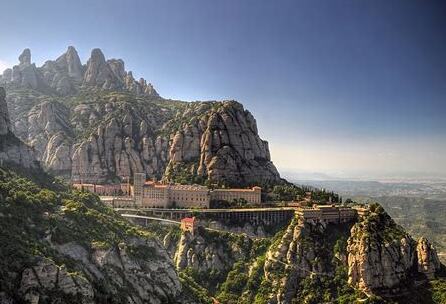
If you've already done the monastery visit and want to return for the landscape, take the FGC to Monistrol de Montserrat and head straight for the upper trails rather than the cable car. The Sant Joan funicular gets you partway, and from there the walking is exposed but manageable for anyone reasonably fit. The rock formations — those extraordinary rounded pillars that have been compared to everything from organ pipes to giants — are best appreciated from above, looking down at the monastery as a small cluster of buildings in an enormous natural amphitheater. This is the version of Montserrat that stays with you.
Insider tip
The Sant Jeroni trail takes about 45 minutes from the top of the Sant Joan funicular. Go midweek if possible — weekend hikers are thick on the ground from 10 AM onward. Bring water; there's nothing up there.
Weekend a Tarragona con Secret World: La Guida Definitiva — a Roman city hiding in plain sight
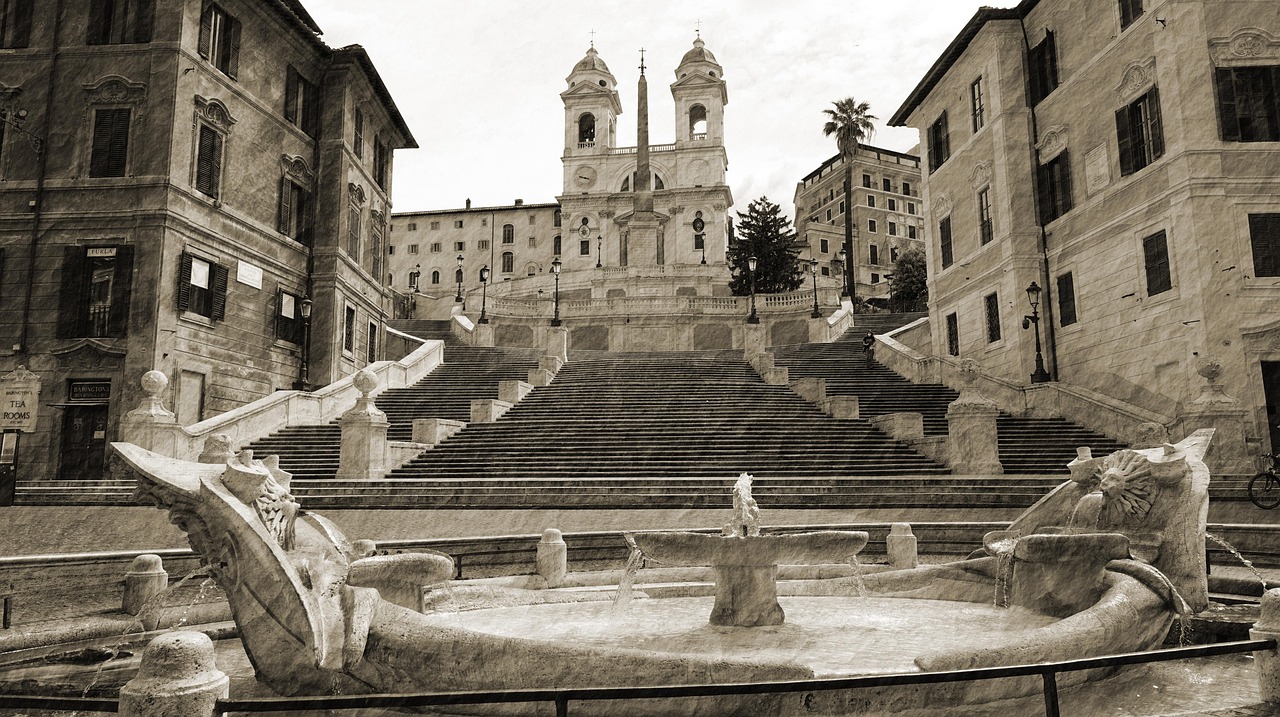
On arrival, walk the Roman wall circuit first — it's partially accessible and gives you the topography of the old city immediately. Then descend to the amphitheater on the seafront, which sits directly on the beach in a way that feels almost impossible. The archaeological museum in the old town is small but well-curated. Save time for the Rambla Nova, Tarragona's own version of the Barcelona promenade, which is quieter and more local in character. The cathedral, built on the site of a Roman temple, is worth the entrance fee.
Insider tip
The AVE from Sants runs frequently, but check return times before you go — some afternoon slots fill up, especially on Sundays. The Roman amphitheater is free on Sunday mornings before 1 PM. That's the window.
Castell de Santa Florentina and the Game of Thrones — a medieval castle on the Maresme coast

The drive from Barcelona takes about forty minutes on the C-32 coastal motorway, and the approach through the Maresme — a narrow coastal strip between the sea and the Catalan pre-coastal range — is itself worth the journey. Check in advance whether the castle is open for guided visits; access is limited and not always publicized well online. The town of Canet de Mar below has a small beach and a Modernista town hall designed by Lluís Domènech i Montaner, which is a legitimate architectural detour. Park in the town and walk up.
Insider tip
The castle is privately owned and visit schedules are irregular. Call ahead or check local tourism websites for Canet de Mar before making this your primary destination. If it's closed, the Domènech i Montaner buildings in town are a genuine consolation prize.
The Els Ametlleres Roman villa — first-century ruins in the Catalan countryside

Getting here requires a car. There's no practical public transport connection, and the rural location means you'll want to combine this with another stop — the Costa Brava towns are in the same general direction. On arrival, give yourself ninety minutes minimum. The ruins are not large by Roman standards, but the context — a working agricultural landscape that hasn't changed dramatically in two millennia — adds something that a city museum cannot replicate. The site is managed by local heritage authorities and entry is typically low-cost or free.
Insider tip
Opening hours are limited and seasonal. Check with the local ajuntament (town hall) before driving out — this is not a site with a reliable tourist infrastructure, and arriving to find it closed is a real possibility on Mondays or public holidays.
Waterfall La Foradada De Cantonigros — a natural pool in the Osona hills
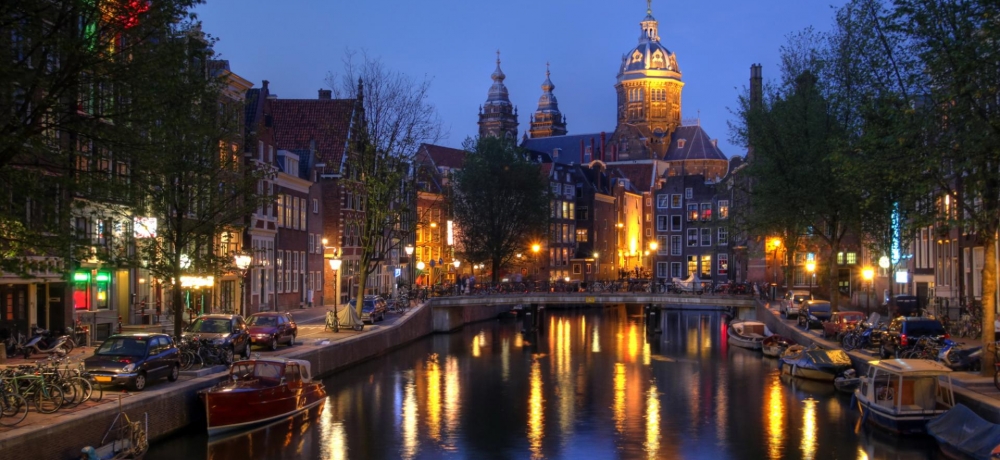
You need a car. The village of Cantonigròs is tiny, and the trailhead for the waterfall is accessible by a short walk from the village itself. The hike to the falls takes about twenty to thirty minutes through forest and is not technically demanding. The pool at the base is cold even in summer — genuinely cold, not refreshingly-cool-cold — and the rocks around it are slippery. Go in July or August for the best water levels. The village itself has a few rural restaurants serving straightforward Catalan food. Combine this with a drive through the Collsacabra plateau for a full day in the hills.
Insider tip
Summer weekends bring local families in numbers, and the pool area gets crowded by noon. Arrive before 10 AM or after 4 PM. The road into Cantonigròs is narrow — don't attempt it in a large vehicle.
Catalonia: Castellfollit de la Roca, a typical village — perched on a basalt cliff above two rivers

The drive from Barcelona takes about an hour and forty minutes on the AP-7 and C-66, and the Garrotxa region rewards a slower approach — this is Catalonia's volcanic zone, with extinct cones and lava fields that are now forested and protected as a natural park. In the village, walk the length of the ridge, visit the church at the far end, and look over the edge. The view down to the river is the point. Combine with a stop in Olot, the regional capital, which has a good museum of Catalan landscape painting.
Insider tip
The village is tiny and the main street gets congested with day-trippers in summer. Park in the lower lot by the river and walk up — trying to drive through the village itself is an exercise in frustration. The light on the cliff face is best in the late afternoon.
Pont de la Margineda,a medieval Romanesque bridge — the road to Andorra

The drive from Barcelona takes about two hours via the C-16 through the Túnel del Cadí — a toll tunnel that cuts through the Pyrenees and dramatically shortens the journey. The road before and after the tunnel is mountain driving: beautiful, occasionally slow, and not recommended in winter without checking conditions first. Once in Andorra, the bridge is a short walk from Andorra la Vella. Combine with a walk along the Gran Valira riverbank and, if you want, the old Barri Antic quarter of the capital.
Insider tip
The Túnel del Cadí toll is around €12 each way — budget for it. Andorra has no VAT, so fuel is significantly cheaper than in Spain; fill your tank there before returning. The bridge is always accessible and free, but the surrounding area is busiest on weekends when Barcelonans make the shopping run.
Tossa de Mar — the walled town at the edge of the Costa Brava
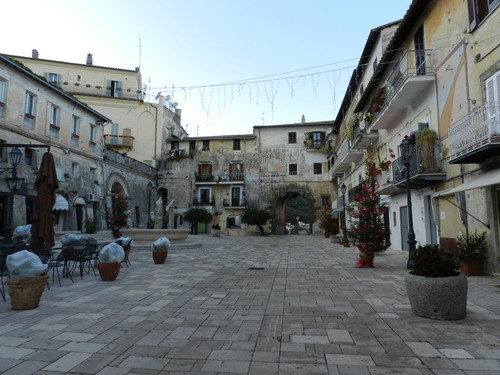
By car, the drive takes about an hour and fifteen minutes — longer in summer traffic. By bus, Sarfa runs services from Barcelona's Estació del Nord that take around ninety minutes. Seasonally, there are also boat services from Lloret de Mar that approach Tossa from the sea, which is the best possible first view of the walled headland. On arrival: walk the Vila Vella walls, swim at the main beach (Platja Gran) or the smaller Platja del Codolar near the walls, and visit the small municipal museum inside the old town, which has a collection of works by artists who came here in the early twentieth century.
Insider tip
Tossa in July and August is genuinely crowded, and parking is a serious problem. Either arrive before 9 AM, take the bus, or come in June or September when the water is still warm and the town is half-empty. The boat from Lloret de Mar runs seasonally — verify dates before planning around it.
The thing about day trips from Barcelona is that they force a kind of decision-making the city itself doesn't require. In Barcelona, you can drift. The streets lead somewhere interesting, the next bar is always open, the schedule is elastic. A day trip has a last train. It has a parking meter. It has a ferry that leaves at 6 PM and doesn't wait.
That constraint is actually useful. It makes you pay attention in a way that open-ended tourism doesn't. You notice the light on a basalt cliff because you know you're leaving in three hours. You swim in a cold Pyrenean pool with more intention because you drove ninety minutes to get there.
None of these trips will replace Barcelona. But each of them will change how you see it when you return — which is, I think, the real point of leaving in the first place. The city looks different after a day in the mountains, or on a Roman ruin, or in a walled medieval town on a cliff above the sea. It looks like a place you chose, rather than a place you simply arrived at.
That constraint is actually useful. It makes you pay attention in a way that open-ended tourism doesn't. You notice the light on a basalt cliff because you know you're leaving in three hours. You swim in a cold Pyrenean pool with more intention because you drove ninety minutes to get there.
None of these trips will replace Barcelona. But each of them will change how you see it when you return — which is, I think, the real point of leaving in the first place. The city looks different after a day in the mountains, or on a Roman ruin, or in a walled medieval town on a cliff above the sea. It looks like a place you chose, rather than a place you simply arrived at.


