I've done every trip on this list more than once, by different means of transport, in different seasons. I've missed the last train back from Eger because I lingered too long at a wine bar. I've sat in a traffic jam on the M7 toward Lake Balaton on a Friday afternoon and watched a good plan collapse in real time. I've also caught the early hydrofoil north on a Tuesday in September when the Danube was flat and the hills were turning, and felt like I'd found the best version of Hungary that most visitors never see.
A good day trip earns its distance. It gives you something Budapest can't — a different scale, a different pace, a different relationship with history or nature. It gets you back to your hotel before midnight without wrecking the next day. The trips in this list range from 33 to 161 kilometres from the city centre. Some take under an hour by train; one requires a car and a full commitment to leaving early. All of them reward the effort. What follows is not a promotional roundup. It's the honest version — travel times included, parking realities acknowledged, crowds named and timed.
At a glance
- Visegrád Castle: un tuffo nella storia ungherese — the fortress that commands the Bend
- The Primatial Basilica of the Blessed Virgin Mary: Esztergom's cathedral above the river
- Slovenska Narodna Galeria (The Slovak National Gallery): a Bratislava afternoon across the border
- Tihany: The Hungarian Lavander — the peninsula that smells different from the rest of the country
- Eger, Hungary's second largest city: wine, baroque, and a castle that held
- Castle of Diósgyőr: the four-towered castle in Miskolc's shadow
- Aggtelek National Park: the caves that go all the way to Slovakia
- L'Ungheria ed il suo famoso Gulash: understanding Hungarian food culture before you travel
Visegrád Castle: un tuffo nella storia ungherese — the fortress that commands the Bend

The castle itself occupies a ridge above the Danube Bend, one of the most strategically obvious positions in medieval Central Europe. It served as a royal residence in the 14th century under Charles I of Hungary, and the views it commands over the river's dramatic curve justify the climb entirely. On arrival: walk the zigzag path up to the upper citadel, explore the reconstructed royal palace ruins at the base of the hill, and time your return to catch the late-afternoon light on the river from the tower.
Insider tip
The Mahart boat back to Budapest runs downstream and takes only about 75 minutes — faster than the way up. Check the return schedule before you leave Budapest; afternoon boats fill on summer weekends and there is no guarantee of a seat if you arrive late to the dock.
The Primatial Basilica of the Blessed Virgin Mary: Esztergom's cathedral above the river
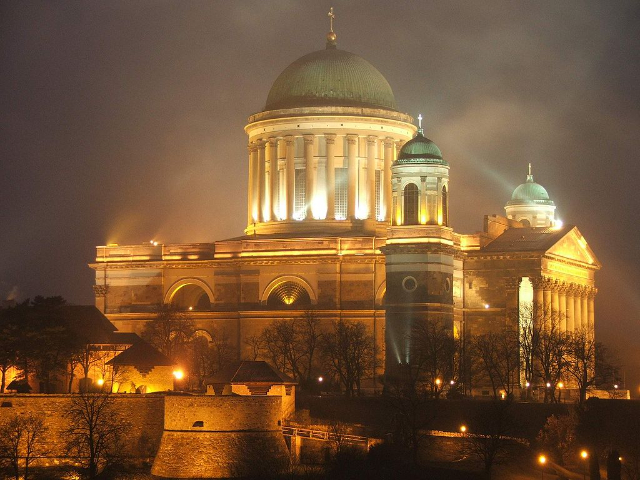
On arrival: climb to the cupola for a panoramic read of the Danube's geography, walk through the treasury which holds one of Central Europe's more serious collections of ecclesiastical art, and cross the Maria Valeria Bridge on foot into Slovakia for a short detour into Štúrovo. The basilica's crypt, where Hungarian primates are buried, is quieter and cooler than the main nave and worth the separate entry ticket.
Insider tip
Arrive before 10am on weekdays. Tour groups from both Budapest and Bratislava converge on the basilica between 10:30 and noon, and the cupola staircase becomes a bottleneck. The early train from Nyugati gets you there in time.
Slovenska Narodna Galeria (The Slovak National Gallery): a Bratislava afternoon across the border
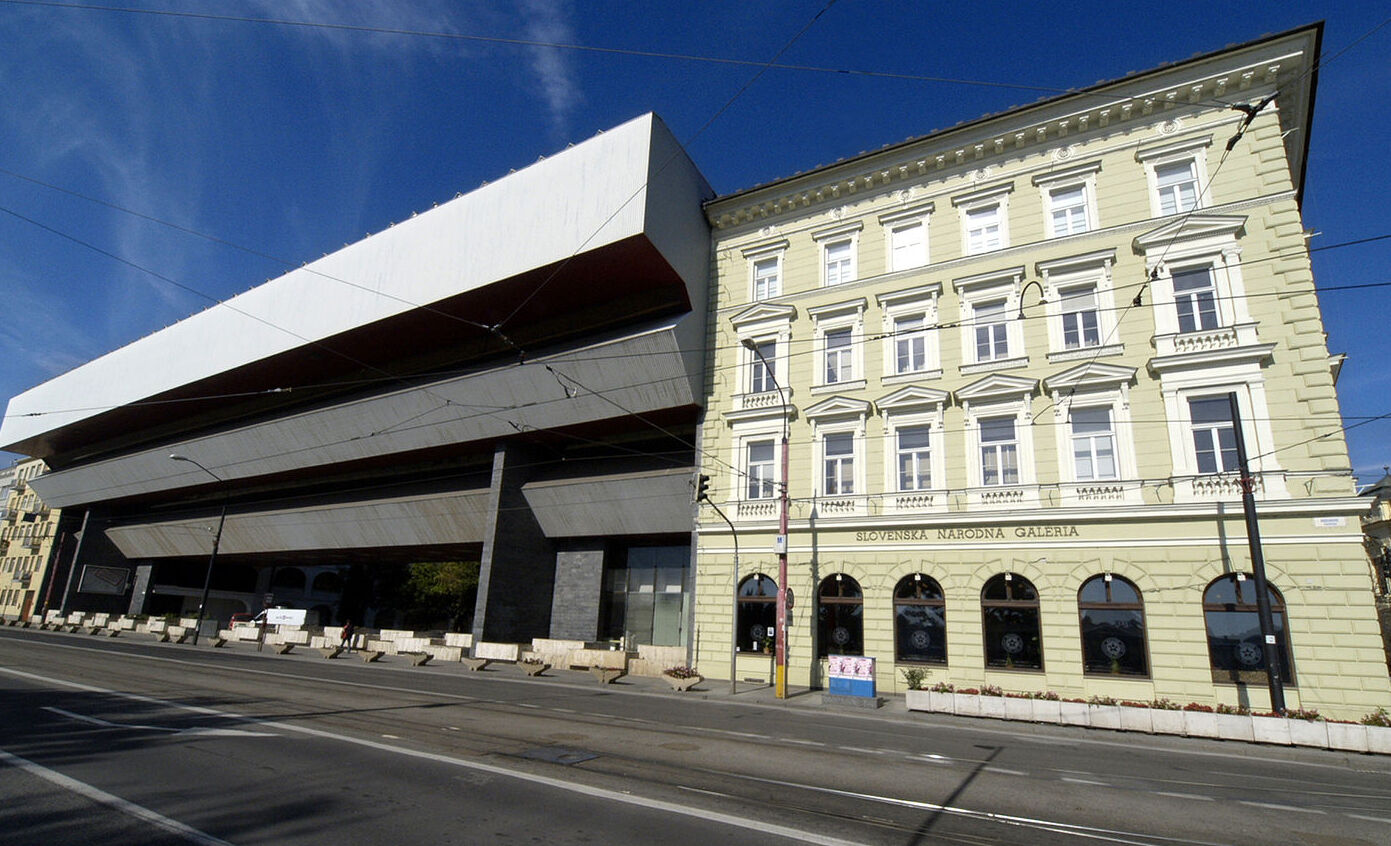
The Slovak National Gallery occupies an 18th-century neo-classical building on the Danube embankment in the old town. Its permanent collection covers Slovak fine art from the Gothic period through the 20th century, with a particularly strong holding of Baroque painting and sculpture. On arrival: spend 90 minutes in the permanent collection, walk the old town's compact core including the castle hill, and find a table on the embankment for a late lunch before the return journey. The gallery closes on Mondays — check before you go.
Insider tip
The last direct coach back to Budapest typically departs Bratislava around 7 or 8pm. Confirm the exact time on the day. Missing it means a longer train journey with a change, which can push your return past 11pm.
Tihany: The Hungarian Lavander — the peninsula that smells different from the rest of the country
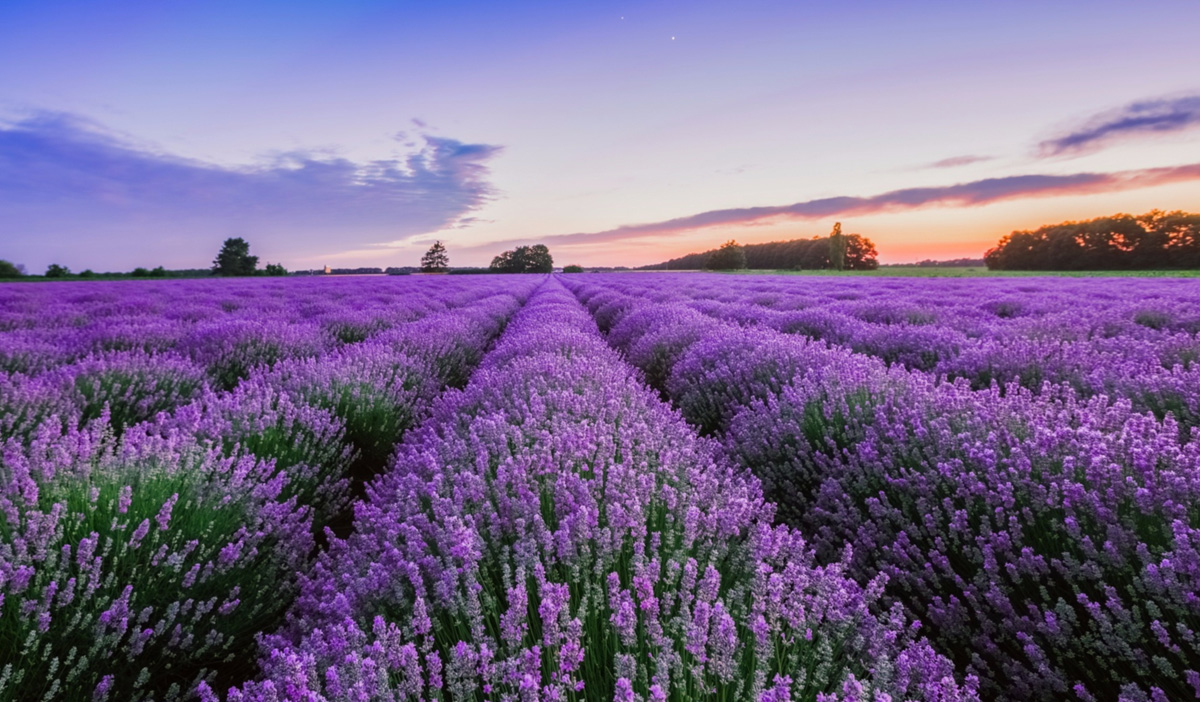
The peninsula is known for lavender cultivation — fields that are genuinely aromatic in June and early July, and visually distinctive in a way that surprises visitors expecting only the lake. The Benedictine Abbey, founded in 1055, is one of the oldest surviving ecclesiastical buildings in Hungary. On arrival: walk the abbey and its crypt (which contains the tomb of King Andrew I), follow the marked path through the lavender fields above the village, and take the ferry across to Szántód on the southern shore for the view back at the peninsula's silhouette.
Insider tip
Lavender peaks between mid-June and mid-July. Outside that window the fields are still there but the colour and fragrance are significantly reduced. Plan accordingly if that's your primary reason for going.
Eger, Hungary's second largest city: wine, baroque, and a castle that held
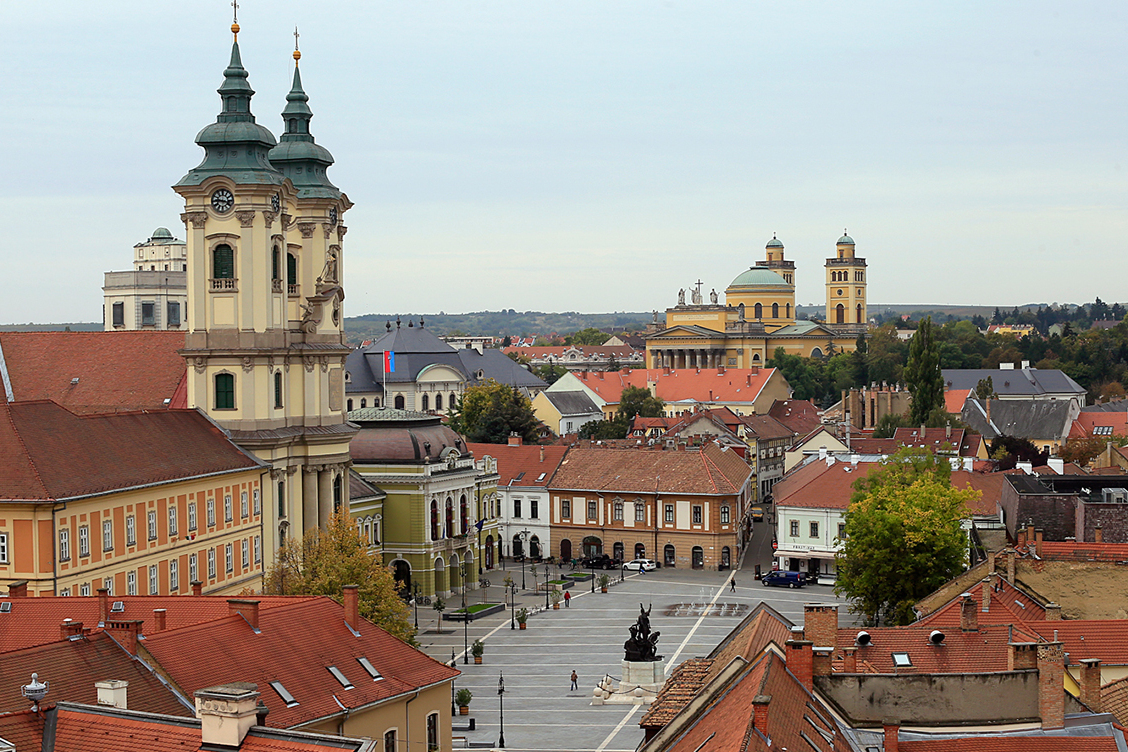
On arrival: walk up to Eger Castle, which famously resisted an Ottoman siege in 1552 under captain István Dobó; explore the Baroque inner town around Dobó Square; descend into the Valley of the Beautiful Women (Szépasszonyvölgy) on the western edge of the city, where wine cellars are carved into the hillside and you can taste the local Egri Bikavér red wine directly from the producers.
Insider tip
The Valley of the Beautiful Women gets crowded after 3pm on weekends. Arrive there first, before the castle, if you want to taste wine without queuing and without the louder group atmosphere that develops by late afternoon.
Castle of Diósgyőr: the four-towered castle in Miskolc's shadow
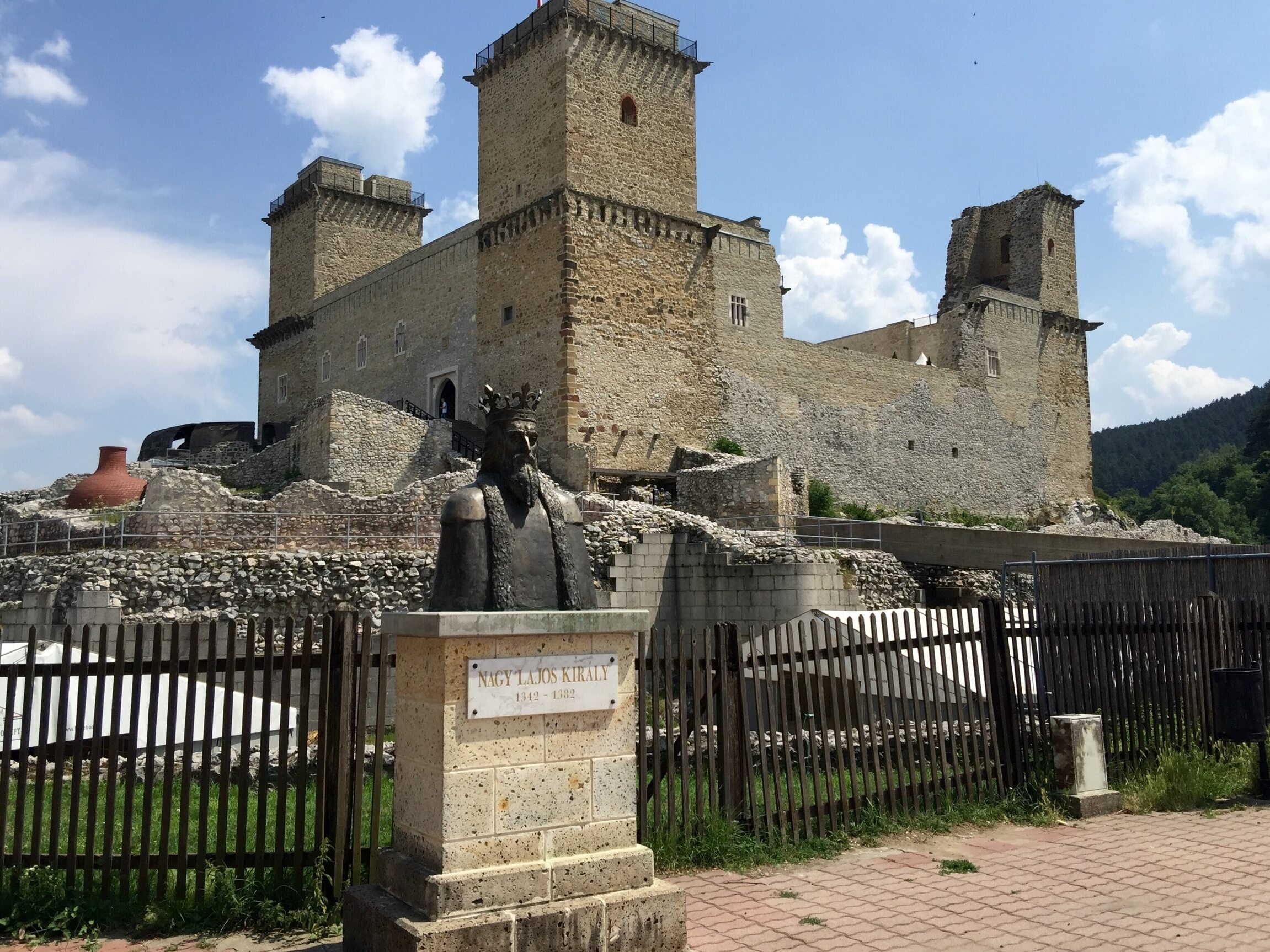
On arrival: walk the reconstructed towers and battlements (the castle has been partially rebuilt and is more visitor-friendly than its ruined state of a few decades ago); explore the small museum inside covering the castle's royal history; and if time allows, take a short drive or taxi further into the Bükk hills, which offer easy walking trails above the treeline. Miskolc's own city centre is 20 minutes away by tram if you want urban contrast.
Insider tip
Combine Diósgyőr with the Cave Bath at Miskolctapolca — they are only about four kilometres apart. Doing both in one day is entirely feasible if you arrive at the castle by 10am and move to the bath by early afternoon.
Aggtelek National Park: the caves that go all the way to Slovakia
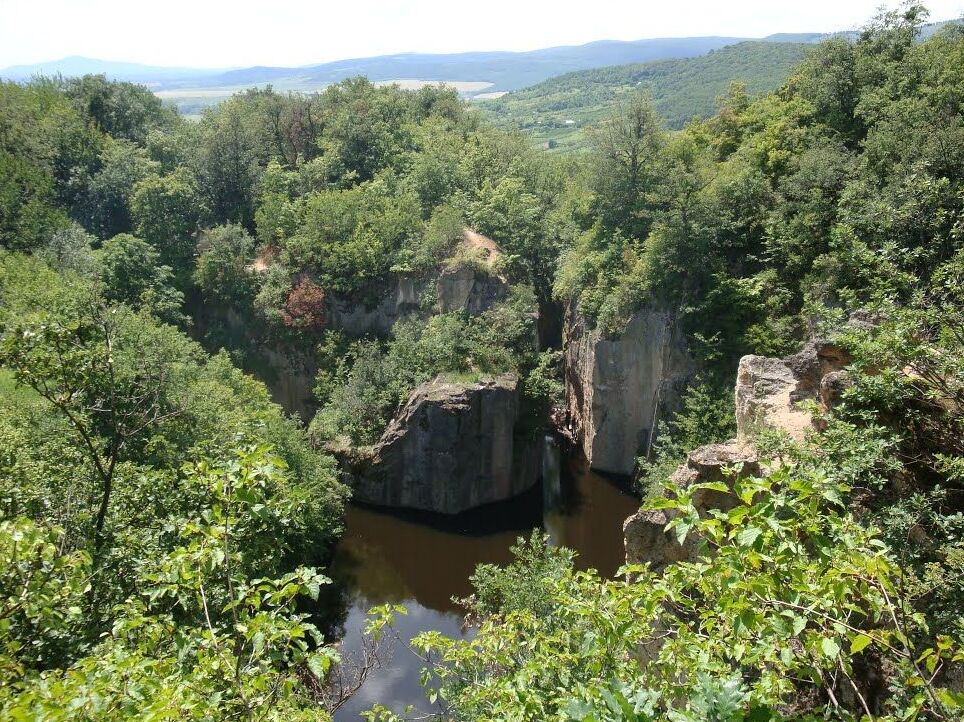
On arrival: book a guided cave tour in advance — the standard Baradla tour runs about 90 minutes and covers the most dramatic formations; walk the surface trails above the cave system for a sense of the karst landscape; and consider the short route to the Vörös-tó (Red Lake), a small sinkhole lake within the park. The UNESCO designation the park shares with the Slovak side (Domica cave) is well-earned.
Insider tip
Cave tours sell out on summer weekends, sometimes days in advance. Book online through the national park website before you leave Budapest. The cave temperature is a constant 10–12°C year-round — bring a layer regardless of the season.
L'Ungheria ed il suo famoso Gulash: understanding Hungarian food culture before you travel

When you're in Eger, Győr, or anywhere along the Danube Bend, you'll find gulyás on almost every menu. The quality varies enormously. The best versions are found not in tourist-facing restaurants but in smaller local étterems where the soup is made fresh. On arrival anywhere in provincial Hungary: ask for the napi menü (daily menu), which typically includes soup, a main course, and bread at a fixed price — and the gulyás on a daily menu is almost always the honest version.
Insider tip
If a restaurant outside Budapest lists 'goulash' in English on a laminated menu with photographs, walk on. The real thing is listed as gulyásleves (goulash soup) in Hungarian, priced modestly, and served in a deep bowl without ceremony.
Day trips from Budapest are, at their best, a recalibration. The city is dense with history and noise and the particular energy of a place that knows it's being watched. Getting out — even for eight hours, even to somewhere 40 kilometres away — resets the scale. You remember that Hungary is a country with hills and rivers and medieval stone and thermal water and a long, complicated relationship with every empire that ever looked its way.
The trips I'd repeat without hesitation: the river boat to Visegrád on a clear September morning, Eger on a Tuesday in October when the wine cellars are quiet, and the cave bath at Miskolctapolca on any weekday when the crowds stay home. The ones that require the most logistical discipline — Aggtelek, Bratislava — reward that discipline proportionally.
Leave early. Check the return schedule before you go. Carry cash outside the capital. Come back tired in the right way.
The trips I'd repeat without hesitation: the river boat to Visegrád on a clear September morning, Eger on a Tuesday in October when the wine cellars are quiet, and the cave bath at Miskolctapolca on any weekday when the crowds stay home. The ones that require the most logistical discipline — Aggtelek, Bratislava — reward that discipline proportionally.
Leave early. Check the return schedule before you go. Carry cash outside the capital. Come back tired in the right way.


